
Flowers
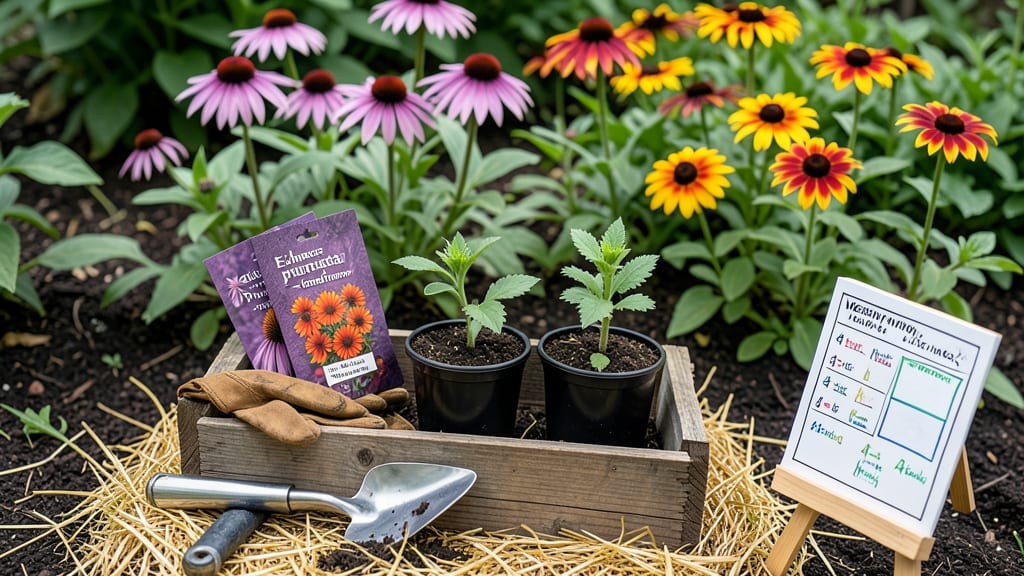
To plant flowers in Nebraska at the perfect time means catching the window between the last frost and summer’s heat—typically mid-April to early May for most regions, with fall replanting in August.
Timing is everything when planting flowers in Nebraska—get it wrong, and your blooms may arrive late or never at all. But with Nebraska’s diverse frost dates and microclimates, knowing exactly when to plant can mean the difference between a garden bursting with color and one struggling to take root.
In USDA Zones 5a–6b, the last frost often lingers until April 15 or later, depending on your corner of the state. Waiting until soil warms to 60°F ensures roots establish before summer’s dry spells hit.
Below, I’ll break down the ideal planting windows for annuals, perennials, and bulbs—plus how to adjust for your local frost calendar and soil conditions. No more guessing, just peak blooms every season.
Nebraska frost dates by planting Zone: critical timing for annuals vs. perennials
Nebraska’s USDA Hardiness Zones 4b-5a create distinct planting windows that can make or break your flower garden. In Zone 4b (western Nebraska), last spring frosts arrive around April 20-25, while Zone 5a (eastern Nebraska) typically sees frost-free conditions by April 10-15.
These dates determine whether your annuals or perennials thrive or wither.
For annual flowers, timing is critical—plant too early, and frost will kill tender seedlings. For perennials, early spring planting (March-April) gives roots time to establish before summer heat arrives.
Nebraska’s first fall frost typically hits between October 10-20, giving you a narrow window for fall-planted annuals like pansies and snapdragons.
| Region/City | USDA Zone | Avg. Last Spring Frost | Avg. First Fall Frost | Spring Planting Window | Fall Planting Window |
|---|---|---|---|---|---|
| Omaha | 5a | April 10-15 | October 15-20 | April 20 - May 10 | August 15 - September 10 |
| Lincoln | 5a | April 12-17 | October 10-15 | April 22 - May 12 | August 10 - September 12 |
| Kearney | 5a | April 15-20 | October 5-10 | April 25 - May 15 | August 5 - September 5 |
| Scottsbluff | 4b | April 25 - May 1 | September 25 - October 2 | May 5 - May 20 | July 20 - August 10 |
In Zone 5a (Lincoln, Omaha), gardeners can start perennial flowers like coneflowers and black-eyed Susans as early as March 15 under row covers. For annuals, wait until after the last frost date—typically April 20-25—to plant heat-loving varieties like marigolds and sunflowers.
Western Nebraska’s Zone 4b (Scottsbluff) has a later frost window, so delay planting annuals until May 5-20. This zone’s shorter growing season means fall planting must start earlier—by July 20—to ensure blooms before frost. Perennials here benefit from early March planting to maximize root growth.
Use a soil thermometer to confirm 60°F soil temperatures before planting annuals. In Nebraska’s clay-heavy soils, warming occurs slower, so extend row covers for 2-3 weeks after the last frost to accelerate warming. This trick works wonders for tender annuals like petunias and geraniums.
For fall-planted annuals, aim to sow seeds 6-8 weeks before the first frost. In Lincoln, this means August 10, while Scottsbluff gardeners should start by July 20. Choose cold-hardy varieties like pansies and stock for extended fall color.
Microclimates matter! Urban areas (like Omaha) often warm 2-3 days earlier than rural zones due to heat island effects. Monitor local weather forecasts and use frost cloth for a 2-week buffer when planting heat-sensitive annuals in Zone 4b.
Pro tip: Mark your last frost date on a calendar and count backward. Perennials need 6-8 weeks to establish roots, while annuals can be direct-sown 2-3 weeks after the last frost. Adjust for elevated beds, which warm 1-2 weeks earlier than ground soil.
Remember: Nebraska’s unpredictable spring weather can push frost dates 1-2 weeks later than averages. Keep a frost watch kit handy—it’s your best tool for timing-sensitive planting. With these frost dates mastered, your Nebraska garden will burst with color from spring to fall! 🌷
Best flowers to plant in Nebraska by season: heat tolerance and blooming cycles
Nebraska’s variable climate demands smart flower choices—cool mornings, scorching afternoons, and unpredictable rains can challenge even the hardiest blooms. The key is selecting season-specific flowers that thrive in your zone’s heat tolerance while aligning with their natural blooming cycles.
Whether you’re chasing early spring color or extending fall interest, the right plants will reward you with longer bloom seasons and lower maintenance.
For spring planting (April–May), focus on cool-season annuals like pansies and snapdragons, which tolerate light frosts and bloom early. These flowers thrive in 50–65°F soil and provide instant color when perennials are still dormant.
Pair them with drought-tolerant perennials like coneflowers and black-eyed Susans, which establish roots early and handle Nebraska’s summer heat waves with ease.
🌱 Seasonal Planting Timeline for Nebraska
- Early Spring (March–April): Plant cool-season annuals (pansies, violas) and hardy perennials (coneflowers, daylilies). Soil temps should reach 50–60°F.
- Late Spring (May): Transplant heat-loving annuals (marigolds, zinnias) and drought-resistant perennials (black-eyed Susans, lavender) after last frost.
- Summer (June–July): Sow fast-growing annuals (sunflowers, cosmos) for mid-to-late summer blooms. Mulch to retain moisture.
- Early Fall (August–September): Plant fall-blooming perennials (mums, asters) and cool-season annuals (pansies, calendulas) for autumn color.
Summer in Nebraska means intense sunlight and dry winds, so prioritize heat-resistant flowers like lantana and salvia. These varieties thrive in full sun and require minimal watering once established.
For extended blooms, interplant succession bloomers such as zinnias (every 2–3 weeks) or cosmos, which self-seed for continuous color. Pair them with native grasses like little bluestem to reduce water needs and attract pollinators.
Fall brings a second wave of planting opportunities in Nebraska, especially for late-blooming perennials like Russian sage and sedum. These plants store energy in their roots during summer and rebloom spectacularly in September–October.
For instant fall interest, add pansies and calendulas—they tolerate light frosts and brighten up the garden as temperatures drop. Mulch heavily to insulate roots and protect against early frosts.
To extend your bloom season, use companion planting strategies. For example, tall sunflowers provide shade for shade-loving impatiens in summer, while low-growing thyme deters pests from roses. Group plants with similar water needs to simplify care—place drought-tolerant lavender near sedum and keep water-loving hostas separate from succulents.
This zoning approach saves time and ensures every plant thrives in Nebraska’s changing conditions.
Remember, Nebraska’s microclimates can vary dramatically—urban areas may stay 5–10°F warmer than rural zones, affecting planting times. Always check your local frost dates and monitor soil temperatures with a soil thermometer.
With the right seasonal selections and careful timing, your garden can burst with color from spring to frost! 🌻