
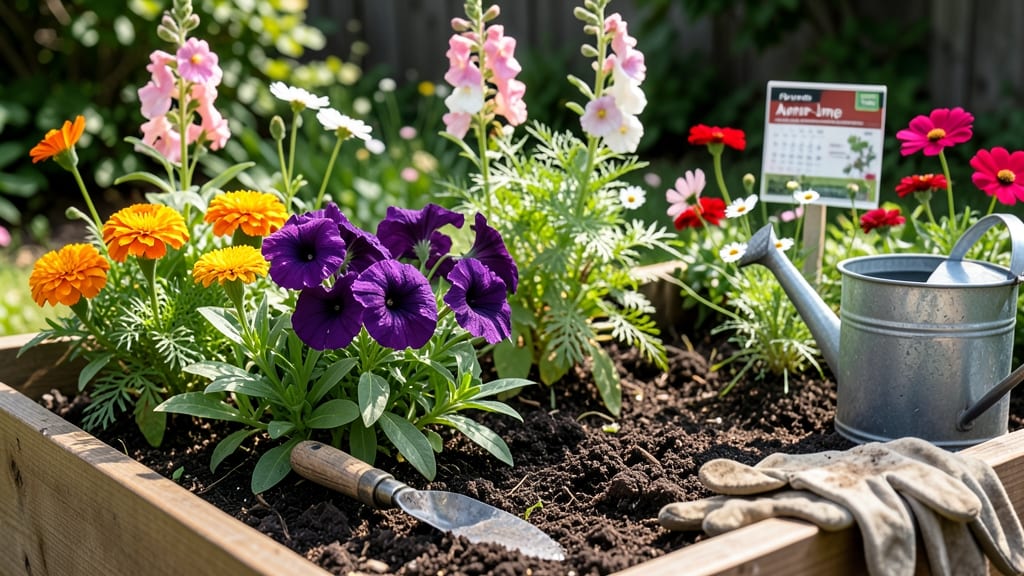
When Is the Best Time to Plant Flowers in Colorado: USDA Zone-Specific Timeline for Peak Blooms

Flowers

When Is the Best Time to Plant Flowers in Colorado: USDA Zone-Specific Timeline for Peak Blooms

The best time to plant flowers in Colorado depends on your USDA zone and the type of blooms you’re dreaming of 🌸—but the window is narrower than you think.

Picture this: You’ve spent weeks picking out vibrant annuals, only to watch them wilt under an unexpected late frost. That’s why timing matters—especially in Colorado, where USDA Zones 4-7 can swing from freezing nights to scorching afternoons in a single season.

Whether you’re planting hardy perennials in April or heat-loving annuals in August, the key is aligning with your local frost dates and soil temperature. Miss the mark, and you’ll end up with leggy seedlings or flowers that never bloom.

Below, I’ll break down the exact planting schedule for Colorado’s most popular flowers—plus pro tips to beat frost, extend your season, and keep your garden thriving from spring to fall.

🌸 When to Plant Flowers
Jan ❄️
Feb ❄️
Mar 🌱
Apr 🌸
May 🌸
Jun 🌸
Jul 🌱
Aug ☀️
Sep 🍂
Oct 🍂
Nov 🍂
Dec ❄️
Ideal Time
Also Good

Colorado’s USDA Zones and their ideal flower planting months

Colorado’s USDA Zones 4-7 create a complex gardening puzzle, where elevation shifts can change frost dates by weeks or months.

The Front Range (Denver, Boulder) typically falls in Zone 5b-6a, while the Western Slope (Aspen, Telluride) spans Zones 4b-5a, and the Eastern Plains (Pueblo, Colorado Springs) sits in Zone 6a-7a.

These zones dictate when to plant annuals, perennials, and bulbs to avoid frost damage and ensure vibrant blooms.

For high-altitude gardens like those in Aspen or Leadville, last frost dates can occur as late as June 15, while lower elevations like Colorado Springs may see their last frost by April 15.

This microclimate variation means your planting schedule should adjust based on your specific elevation and local frost data. Always check your local cooperative extension office for precise frost dates in your area.

Below is a zone-by-zone breakdown of ideal planting months for flowers in Colorado, including adjustments for high-altitude gardens and container planting. Use this as your guide to time your plantings for maximum bloom potential and frost-free growth.

🌱 Key Rule: Wait until the soil temperature reaches at least 60°F for planting seeds, and ensure nighttime temperatures stay above 50°F for transplanting tender plants. For bulbs like tulips and daffodils, plant them 6-8 weeks before the first frost to ensure root establishment.

USDA Zone Region Last Frost Date First Frost Date Ideal Planting Window Adjustments
4b-5a Western Slope (Aspen, Telluride) June 1-15 September 15-October 1 May 15-June 30 (annuals), August 15-Sept 15 (fall) Plant hardy annuals like snapdragons and lobelia; use row covers for late frosts.
5b-6a Front Range (Denver, Boulder) April 15-May 1 October 15-November 1 April 15-June 15 (annuals), August 1-Sept 30 (fall) Ideal for perennials like coneflowers and black-eyed Susans; mulch to retain moisture.
6a-7a Eastern Plains (Pueblo, Colorado Springs) March 15-April 1 November 1-December 1 March 15-June 1 (annuals), August 15-October 1 (fall) Best for heat-loving annuals like marigolds and zinnias; water deeply in summer.
All Zones Bulbs (Tulips, Daffodils) N/A (Plant before frost) N/A September-October (6-8 weeks before frost) Plant in well-draining soil; avoid overwater

Best flowers to plant by season in Colorado for year-round color

Colorado’s short growing season demands strategic planting to keep your garden blooming from spring to fall 🌷. The key is choosing flowers that thrive in your USDA Zone 4-7 climate while aligning with the state’s variable frost dates.

Whether you’re in the Front Range or Western Slope, timing matters—plant too early, and frost will strike; too late, and summer heat will stress delicate blooms.

For year-round color, I recommend a mix of cool-season annuals, heat-tolerant perennials, and hardy bulbs. Each season offers unique opportunities: spring for early bloomers, summer for drought-resistant stars, and fall for late-season showstoppers.

Let’s dive into the best flowers to plant by season, including their ideal planting windows and low-maintenance care tips.

🌸 Colorado Flower Planting Timeline
  1. 1 Spring (March–May): Plant cool-season annuals like snapdragons and pansies 4–6 weeks before last frost (typically March 15–April 15). Add tulip bulbs in October–November for spring blooms.
  2. 2 Summer (June–July): Sow heat-loving annuals like cosmos and zinnia after May 15 when soil warms to 60°F+. Transplant perennials like coneflowers in April–May for summer-long color.
  3. 3 Fall (August–September): Plant late-blooming perennials like black-eyed Susans and asters by August 15 for fall color. Add fall crocus bulbs in September for early spring blooms.
  4. 4 Winter Prep (October–November): Plant winter-hardy bulbs like daffodils and hyacinths in October for spring blooms. Mulch perennials to protect roots from freezing temps (below 20°F).

For spring color, prioritize cool-season annuals like snapdragons and pansies, which thrive in 40–60°F soil and bloom from April to June. These flowers handle light frost and add vibrant hues to early gardens. Pair them with tulips or daffodils planted in fall for a staggered bloom sequence.

Summer gardening in Colorado hinges on drought-tolerant annuals like cosmos and zinnia, which flourish in full sun and well-draining soil. These plants require minimal water once established and continue blooming until first frost.

For perennials, coneflowers and black-eyed Susans are low-maintenance picks that attract pollinators and thrive in USDA Zone 4.

Fall planting focuses on late-season bloomers like asters and chrysanthemums, which add color until November. These flowers also serve as winter interest plants with textured foliage. Don’t forget to plant fall crocus bulbs in September—they’ll pop up in early spring before other bulbs emerge.

To extend your blooms into early spring, plant winter-hardy bulbs like daffodils and hyacinths in October. These bulbs store energy over winter and reward you with cheerful blooms as soon as snow melts. Mulch heavily (3–4 inches) to insulate roots from freezing temperatures and prevent heaving.

For a low-maintenance Colorado garden, stick to native perennials like blanket flower and purple coneflower. These plants thrive in poor soil, require minimal water, and support local ecosystems. Combine them with annuals for seasonal variety while keeping upkeep simple.

★★★★★4.9(3 reviews)
Categories Flowers