
Flowers
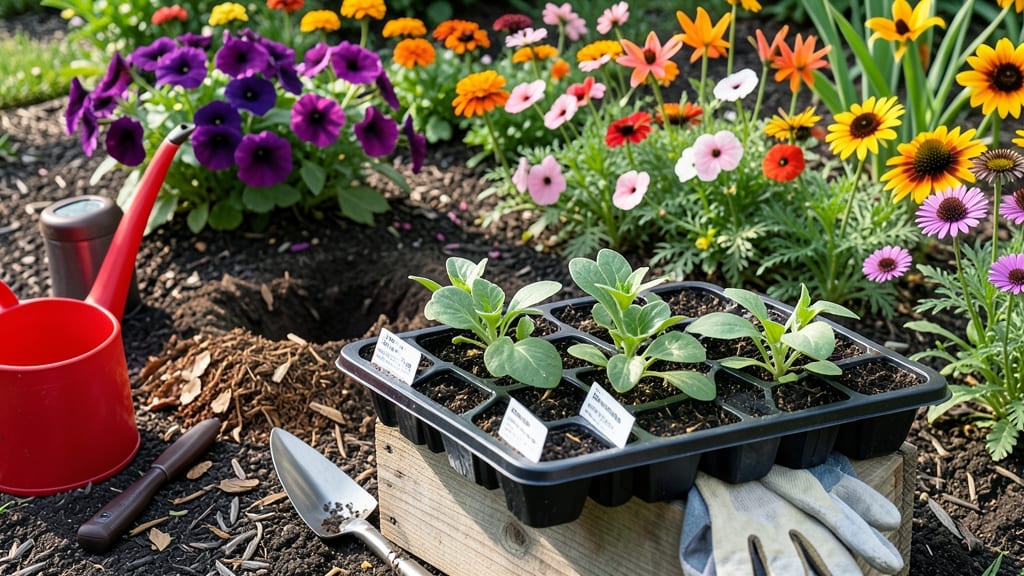
Planting flowers in Georgia at the right time means the difference between a garden bursting with color and one that struggles to take root.
Georgia’s warm climate and long growing season make it a gardener’s paradise—but planting flowers at the wrong time can mean wilted dreams instead of vibrant blooms. Timing is everything, and knowing the frost-free dates for each region ensures your garden thrives from spring to fall.
For most of the state, late winter to early spring (February through March) is prime time for cool-season blooms like pansies and snapdragons, while late summer to early fall (August through September) opens the door to heat-loving annuals like marigolds and cosmos.
Below, I break down the best planting windows by region—whether you’re in chilly North Georgia or balmy South Georgia—and share pro tips to extend your blooms all season long.
Georgia’s frost-free dates by region: critical planting windows for annuals and perennials
Georgia’s diverse climate means frost-free dates vary dramatically from North Georgia’s chilly Piedmont to South Georgia’s coastal warmth. Getting these dates right ensures your pansies and marigolds thrive—not just survive. Let’s break down the critical windows for three key regions using NOAA data and USDA zone guidelines (7a-9a).
In North Georgia (Atlanta area, USDA 7a-7b), the last spring frost typically arrives around March 15, while Central Georgia (Macon, USDA 7b-8a) sees frost-free conditions by March 1. South Georgia (Savannah, USDA 8a-9a) enjoys earlier warmth, with frost-free dates as early as February 15.
These dates shift slightly yearly, so always check local forecasts.
For cool-season flowers like pansies, snapdragons, and calendulas, plant 8-10 weeks before your last frost.
In Atlanta, that’s mid-January, while Savannah gardeners can start as early as December. Warm-season blooms like marigolds, zinnias, and sunflowers need to wait until two weeks after your last frost date.
Perennials like black-eyed Susans and coneflowers can handle early spring planting (February-March) in milder zones, but tender perennials like cannas should wait until after your last frost. In Atlanta, that means mid-April—don’t rush it!
For fall planting, aim for 6-8 weeks before first frost (late September in North GA, early November in South GA).
Microclimates matter! Urban Atlanta may frost 1-2 weeks later than rural areas, while Savannah’s coastal breeze can delay frost by weeks. Use local weather stations or Almanac apps for real-time updates. Pro tip: Hardened pansies can survive light frosts, while tropical hibiscus need consistent warmth—know your plants’ limits!
Extend your season with row covers for early spring or mulch blankets in fall. In Zone 8a (Macon/Savannah), you can even plant winter annuals like violas in October for holiday color. The key? Plan ahead—Georgia’s long growing season rewards those who time it right.
For container gardening, move tender plants indoors before 50°F nights (use a greenhouse or cold frame for extra protection). Bulbs like daffodils can be planted as early as September in North GA, while tropical bulbs need to wait until after frost in all regions.
Remember: Frost dates are averages—not guarantees. Always monitor weekly forecasts and adjust your planting timeline accordingly. With these windows mastered, your Georgia garden will bloom longer and brighter than ever before! 🌸
Best flowers to plant in Georgia by season: a month-by-month guide for year-round color
Georgia’s diverse climate zones—from the cool Piedmont to the humid coastal plains—mean you can enjoy year-round blooms with the right timing. Whether you’re in North Georgia’s USDA Zone 7a or South Georgia’s Zone 8b, each month offers perfect opportunities to plant flowers that thrive in your microclimate.
Let’s dive into the best flowers to plant each month, tailored to Georgia’s unique growing conditions.
For North Georgia, where frosts linger until mid-March, focus on cold-hardy annuals and early-blooming perennials in winter. Meanwhile, South Georgia’s longer frost-free season allows for heat-tolerant tropicals and extended fall plantings. Below, I’ve curated a month-by-month guide to ensure your garden stays vibrant all year.
- 1 February: Plant pansies and snapdragons for early spring color. Tulip bulbs can also go in the ground for late-winter blooms.
- 2 March: After the last frost (March 15 in Atlanta), sow marigolds, zinnia, and cosmos. Azaleas and camellias bloom beautifully this month.
- 3 April: Plant petunias, geraniums, and salvias for summer-long color. Dahlias and canas can be started indoors for late-season blooms.
- 4 May-June: Focus on heat-loving annuals like sunflowers, lantana, and portulaca. Black-eyed Susans and coneflowers thrive in full sun.
- 5 July-August: Prepare for fall by sowing cool-season crops like calendulas and stock. Mums and aster flowers love the cooler temps.
- 6 September: Plant pansies and snapdragons again for fall color. Crocus bulbs can be planted for early spring blooms next year.
- 7 October-November: Focus on winter-hardy perennials like heuchera and sedum. Winter jasmine adds early-season color.
For South Georgia, where the growing season extends later, you can push these timelines by 2-4 weeks. For example, cosmos and zinnia can be planted as late as June in coastal areas.
Meanwhile, North Georgia gardeners should prioritize early spring plantings and use row covers to protect tender plants from late frosts.
Don’t forget to mulch around perennials in late fall to protect roots from freezing temperatures. With this seasonal planting guide, your Georgia garden will burst with color from winter blooms to fall frost! 🌷