
Flowers
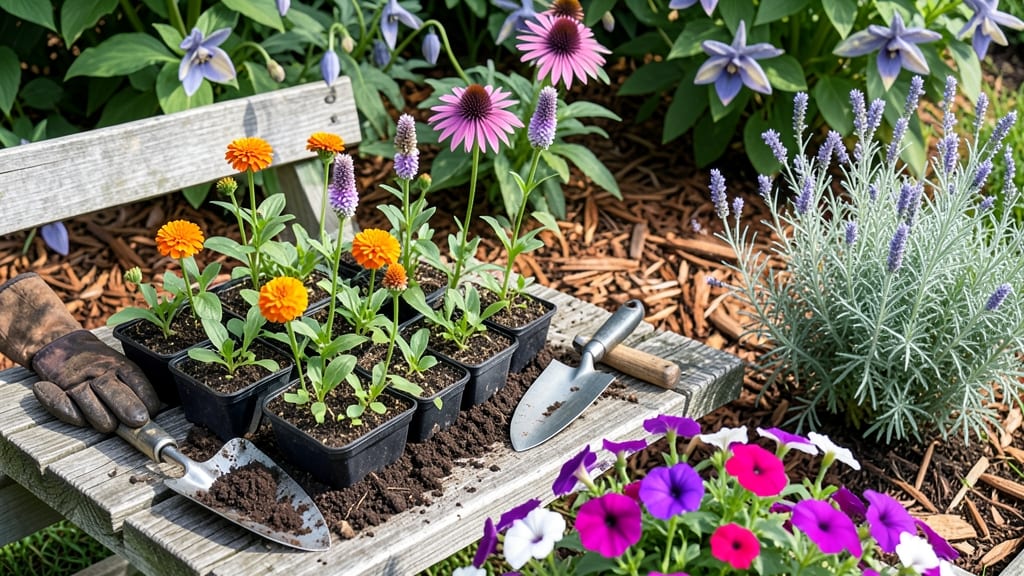
Planting flowers in Boise, Idaho, depends on when the last frost passes—typically around mid-May, but timing varies by variety and microclimate.
Boise’s unique climate—with its chilly winters and warm summers—means timing your flower planting perfectly can mean the difference between vibrant blooms and wilted disappointment. Get the exact frost-free deadlines for annuals, perennials, and bulbs to maximize your garden’s color and minimize frost damage.
In Zone 6b, most annuals like marigolds and zinnias thrive when planted after April 15, while cold-hardy flowers like pansies can handle early spring soil. Fall-blooming varieties, such as chrysanthemums, should go in the ground by September to beat the first frost.
Below, I’ll break down the best planting windows for Boise’s top flowers, how to adjust for rocky soil and urban heat islands, and the three mistakes that kill blooms before they even start.
Boise’s frost-free dates and best planting times by flower type
Boise’s USDA Zone 6b-7a climate means your last spring frost typically arrives between May 10–15, while the first fall frost usually hits September 20–October 5. These dates create a 165-day frost-free window, perfect for planning your flower garden.
Understanding these deadlines helps you avoid frost damage while maximizing bloom time for annuals, perennials, and bulbs.
For annual flowers, wait until after the last frost date—around May 15—to plant heat-lovers like zinnias and marigolds. Cold-hardy varieties such as pansies and snapdragons can handle early spring plantings as early as April 1, provided soil temperatures stay above 50°F (10°C).
Bulbs like tulips and daffodils should be planted in fall (September–October) for spring blooms.
Perennials are the easiest to time—most thrive when planted in spring (May) or early fall (September). Native perennials like blanket flower and purple coneflower adapt well to Boise’s dry summers and alkaline soil. For fall-blooming perennials, like asters or sedum, plant in late summer (August) to establish roots before winter.
If you’re eager to extend your growing season, consider row covers or cold frames to protect early spring plantings. These tools can push your last frost date back by 2–3 weeks, allowing you to plant cool-season crops like calendula or stock as early as March 15.
Just remove covers once nighttime temperatures stay above 40°F (4°C) to avoid overheating.
For summer-blooming annuals, like geraniums or petunias, start seeds indoors in March and transplant after the last frost.
This head start ensures they’re established and blooming by June, when Boise’s heat peaks. Drought-tolerant varieties, such as lavender or yucca, thrive with minimal watering once rooted.
Boise’s alkaline soil (pH 7.5–8.5) can stunt growth for acid-loving plants, like hydrangeas or azaleas. Amend soil with compost or peat moss before planting to improve drainage and fertility. Native flowers, such as beardtongue or lupine, naturally adapt to Boise’s conditions and require less maintenance.
To maximize your garden’s color, plan for succession planting. After spring annuals like pansies fade in June, replace them with heat-tolerant summer bloomers, such as <
How to adjust planting for Boise’s microclimates and soil conditions
Boise’s climate isn’t one-size-fits-all—its urban heat islands can be 10°F warmer than rural areas, while elevated gardens stay cooler. These microclimates let you push planting windows earlier or later with the right adjustments.
For example, my south-facing raised beds warm up faster in spring, letting me plant zinnias 2 weeks ahead of my north-side garden.
The rocky, alkaline soil in Boise drains too quickly for many flowers, but amending with compost and organic matter creates better moisture retention. I’ve found that drought-resistant lavender thrives here with minimal soil prep, while petunias need extra care to prevent root stress.
Understanding these conditions helps you choose the right plants and extend your growing season.
Here’s how to adapt your planting strategy for Boise’s unique challenges:
- 1
- 2
- 3
- 4
- 5
Boise’s elevated microclimates also mean higher gardens (like mine on a sunny hillside) warm up faster. I plant heat-loving flowers like portulaca here first, while cooler, shaded spots get cool-season blooms like calendula later.
Always test soil moisture at 2-inch depth—if it’s dry, your plants need more water, even if Boise’s alkaline soil feels moist.
For rocky soil areas, consider container gardening with well-draining mixes. I’ve had great success with geraniums and verbena in pots, as their roots avoid the shallow, nutrient-poor layers common in Boise’s landscape. Just ensure containers have drainage holes to prevent root rot from occasional heavy rains.
By leveraging Boise’s microclimates and adjusting for soil conditions, you can enjoy longer bloom seasons with less water and effort. Start with one test bed this year—whether it’s a cold frame for fall planting or a mulched hillside for summer heat lovers—and refine your approach based on what thrives.