
Plants
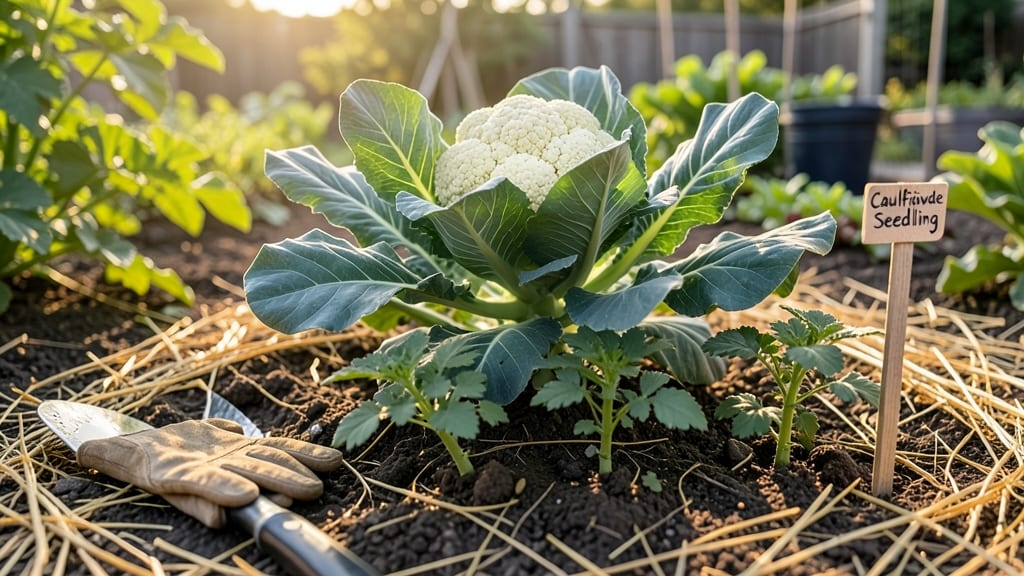
Planting cauliflower in Georgia demands precision—miss the window, and you’ll end up with bitter heads or plants that bolt before harvest.
Georgia gardeners know timing is everything—especially with finicky crops like 🥬 cauliflower, where a single missed window can mean the difference between a bountiful harvest and wasted effort.
In USDA Zone 7b-8b, spring and fall are your only shots, but the clock starts ticking earlier than you might expect.
For spring plantings, aim to get seeds in the ground 4-6 weeks before your last frost date—typically by early February. Fall crops need to be sown by late August to mature before the first frost hits in November.
Skipping these deadlines risks bolting, where the plant sends up a flower stalk instead of forming a head, turning your garden into a sad, leafy disappointment.
Below, I’ll break down the exact planting schedule for Georgia’s climate, how to prep your soil for success, and the one trick that keeps your cauliflower from turning into a science experiment. Ready to grow heads that are firm, flavorful, and ready to harvest?
Best planting windows for cauliflower in Georgia’s USDA Zone 8a
Georgia’s USDA Zone 8a offers two prime windows for growing cauliflower: early spring and late summer. Unlike cooler climates, timing here is critical—plant too early, and frost threatens; too late, and heat triggers bolting.
The key lies in soil temperatures between 45°F and 85°F, which Georgia’s microclimates influence dramatically.
Coastal areas like Savannah experience milder winters, allowing January-February starts, while Piedmont regions (Athens, Macon) should wait until mid-February to avoid frost damage. Fall plantings thrive from mid-August to early September, but coastal zones can extend this slightly later due to slower cooling.
For spring plantings, start seeds indoors 8–10 weeks before your last frost date (typically March 15 in Zone 8a). Coastal gardeners can push this to February 1, but Piedmont growers should wait until February 15 to avoid 28°F+ frosts that can kill seedlings.
Fall is trickier—August is your last chance to plant for a harvest before winter. Soil temperatures above 85°F stress cauliflower, so use shade cloth if planting in late summer.
Coastal areas like Brunswick can extend fall plantings to September 10, while inland zones should finish by August 31.
Georgia’s humidity and heat demand extra care. After transplanting, maintain consistent moisture—cauliflower heads form best with 1–2 inches of water weekly. Mulch with straw or pine needles to retain moisture and regulate soil temps, especially in Piedmont’s hotter summers.
Heat-tolerant varieties like Graffiti (purple) or Romanesco handle Georgia’s summers better than traditional white types. These varieties mature faster (50–60 days) and tolerate 90°F+ temps longer, making them ideal for fall plantings in Zone 8a’s late-summer heat.
Watch for flea beetles, a common Georgia pest that chews seedlings. Use row covers for the first 3 weeks after transplanting. Coastal gardens may also face cabbage loopers, so monitor undersides of leaves regularly.
Always test your soil’s pH (6.0–7.0)—Georgia’s clay soils often need lime or sulfur adjustments. Amend beds with compost or aged manure 2–3 weeks before planting to provide nutrients without burning young plants.
Remember: Timing beats perfection. Even a 2-week delay can shift your harvest from ideal to risky. Use your local Cooperative Extension office’s frost dates as your guide, and adjust for your specific microclimate within Zone 8a.
How to extend cauliflower’s growing season in Georgia’s heat
Georgia’s summer heat can turn cauliflower from a dream crop to a frustrating failure—unless you take proactive steps. The key to success lies in preventing bolting, a process where plants rush to flower under stress.
With the right strategies, you can enjoy heat-tolerant varieties and extended harvests even when temperatures soar above 90°F. Start by selecting varieties bred for warmth, like ‘Cheddar’ or ‘Graffiti’, which handle Georgia’s humidity better than traditional types.
One of the most effective tools in your arsenal is shade cloth, which can lower soil and air temperatures by 10-15°F. Use a 30-40% shade cloth during the hottest months (June-August) to protect young plants.
Secure it 3-4 feet above the ground to allow airflow while blocking excessive sunlight. Pair this with drip irrigation to keep roots cool and moisture consistent—cauliflower hates drying out during head formation.
Here’s how to maximize your growing window with actionable steps:
Don’t overlook the power of succession planting—this is your secret weapon for beating the heat. By staggering plantings every 2-3 weeks, you’ll always have young, heat-sensitive plants maturing during cooler months.
For example, start your first batch in late February for a May harvest, then follow with March and April plantings to extend your window into June. The same logic applies to fall: August and September plantings will yield harvests in October and November.
Finally, monitor your plants for signs of stress, like yellowing leaves or bolting stems. If you notice these, act fast: provide shade immediately and increase watering frequency. With these strategies, you’ll turn Georgia’s heat from a challenge into an opportunity for a longer, more productive cauliflower season. 🥬