
How To
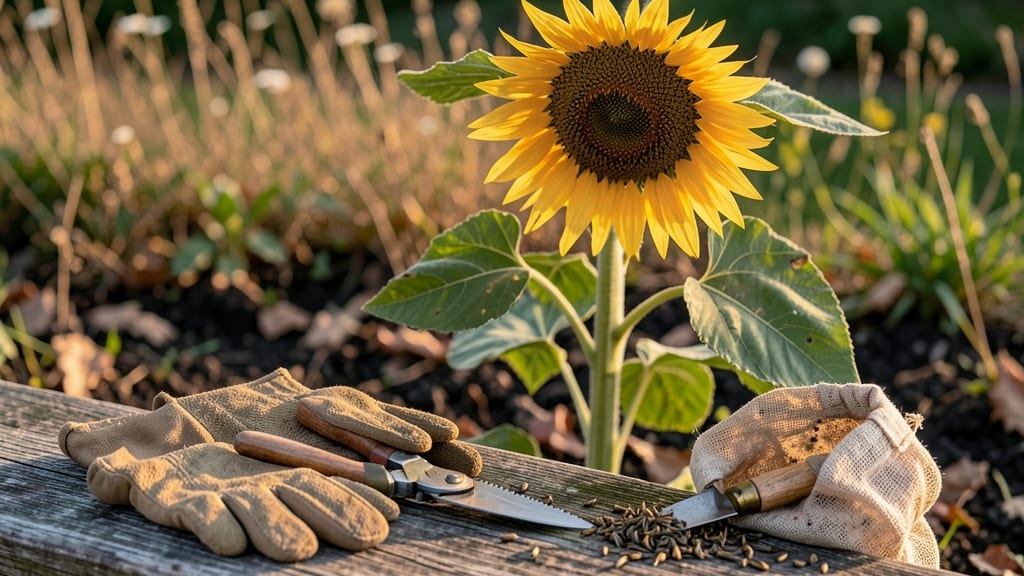
Harvesting sunflower seeds at the right time ensures you get plump, viable seeds instead of shriveled scraps or scattered waste.
Sunflowers don’t just brighten your garden—they feed birds and provide nutritious seeds, but timing their harvest wrong means wasted effort or spoiled seeds. Learn the exact signs to pick sunflower seeds at peak ripeness before they scatter or spoil.
Most gardeners wait until late summer or early fall, but the real key is watching for three visual cues: the petals have fallen, the seed head turns a deep brown, and a gentle shake reveals a satisfying rattle.
Miss these signs, and you could end up with seeds that won’t sprout—or worse, birds will beat you to them.
In this guide, I’ll walk you through how to spot perfectly ripe seed heads, the best methods for harvesting and drying, and how to store them for next year’s garden. Whether you’re in USDA Zone 6a or beyond, these steps will help you maximize your yield.
How to identify perfectly ripe sunflower seed heads for harvesting
Harvesting sunflower seeds at the right time ensures you get the most nutritious, viable seeds for planting or snacking. The key is watching for visual and tactile cues that signal peak ripeness.
If you harvest too early, seeds won’t be fully developed, and if you wait too long, they’ll scatter or spoil. Let’s break down the exact signs to look for.
First, focus on the flower petals. When they begin to dry out and fall off, it’s your first clue that the seed head is maturing. This usually happens about 90-120 days after planting, depending on the variety.
Don’t rush to harvest just because petals are dropping—wait for additional confirmation from the seed head itself.
Next, check the back of the seed head. It should turn a deep, uniform brown color. If it’s still green or patchy, the seeds aren’t ready. This brown color indicates the seeds inside have reached full maturity and are packed with nutrients.
Pro tip: Gently shake the seed head—if you hear a dry rattling sound, it’s a clear sign the seeds are ripe and ready to harvest.
| Cue | What to Look For | Action |
|---|---|---|
| Petal Drop | Petals dry and fall off naturally | Wait 1-2 more weeks for full maturity |
| Seed Head Color | Back of head turns deep brown | Harvest within 3-5 days |
| Seed Rattle | Dry rattling sound when shaken | Cut the head immediately |
| Seed Color | Seeds turn dark gray or black | Harvest and dry for storage |
| Head Firmness | Head feels dry and papery | Avoid harvesting if head feels soft |
One common mistake is harvesting seeds that are overripe or spoiled. If the seed head turns gray or starts to split open, the seeds inside may have lost viability or attracted pests.
Overripe seeds also lose their crunchy texture and may develop a bitter taste. To avoid this, harvest as soon as the seed head is fully brown and dry.
Regional timing matters too. In warmer climates, like USDA Zone 9 or 10, sunflowers may mature earlier, often by late August or early September. In cooler zones, like Zone 5 or 6, wait until September or early October to harvest.
Always keep an eye on the weather forecast—a hard frost can damage seed heads before you’re ready to harvest.
For dwarf varieties, like ‘Teddy Bear’ or ‘Moulin Rouge,’ the seed heads may mature slightly earlier than standard varieties. These types often reach harvest readiness in about 80-90 days. Always check the seed packet for specific maturity dates tailored to your variety.
If you’re unsure, err on the side of waiting a few extra days—ripe seeds will stay viable longer once harvested and dried properly.
Finally, don’t overlook the seed color as a final check. When the seeds inside the head turn a dark gray or black, they’re fully mature. You can peek inside by gently opening the seed head—if the seeds are still white or light-colored, they need more time.
This step is especially useful for large seed heads, where visual cues from the outside might be less obvious.
Once you’ve confirmed all these signs, it’s time to harvest! Cut the seed head with a clean, sharp pair of pruners, leaving about 6 inches of stem attached.
Hang the head upside down in a dry, well-ventilated area to finish drying for 1-2 weeks. This ensures the seeds are fully dry and ready for storage or planting.
Timing your harvest correctly means the difference between plump, nutritious seeds and wasted effort. By paying attention to these visual and tactile cues, you’ll maximize your yield and enjoy sunflower seeds for months to come. Happy harvesting!
Step-by-step guide: harvesting, drying, and storing sunflower seeds
Once your sunflower heads show the perfect ripe signs, it’s time to act quickly. Harvesting too early means green, unripe seeds, while waiting too long risks seed loss from birds or weather. Follow these steps to preserve seed viability and quality for months to come.
I’ve found that drying conditions are just as critical as timing. Humidity and temperature play a huge role in preventing mold or spoilage. Let’s break this down into clear, actionable steps to ensure your sunflower seeds stay fresh and ready for planting next season.
Step List: Harvesting, Drying & Storing Sunflower Seeds
- 🌾 Harvest the heads: Cut sunflower heads when the back turns fully brown and petals fall off. Use clean pruners or shears to avoid damaging stems.
- 🏡 Remove seeds: Place heads in a paper bag and shake gently to dislodge seeds. Alternatively, rub heads between two sheets of paper to catch falling seeds.
- 🌡️ Dry seeds: Spread seeds in a single layer on a tray or screen in a warm, dry place (60-70°F). Avoid direct sunlight to prevent overheating.
- ✂️ Clean seeds: Remove chaff and debris by winnowing (blowing gently) or sifting through a fine mesh sieve.
- 📦 Store properly: Transfer seeds to an airtight container (glass jars or Mylar bags with oxygen absorbers). Label with the harvest date.
- 📅 Store in cool, dark place: Keep seeds in a fridge or root cellar (40°F or below) for long-term storage (up to 5 years).
For ideal drying conditions, aim for low humidity (below 50%) and good airflow. A sunny porch or well-ventilated garage works well, but avoid damp basements. If your climate is humid, consider using a dehumidifier or speeding up the process with a food dehydrator on low heat.
When storing, airtight containers are a must to block moisture and pests. I recommend glass jars with tight-sealing lids or Mylar bags paired with oxygen absorbers for maximum freshness. Labeling each container with the harvest year helps track seed age, which affects germination rates over time.
With proper storage, your sunflower seeds can last 1-5 years, depending on conditions. Check seeds annually for moisture or pests—discard any that smell musty or feel damp. Properly stored seeds should remain firm, dry, and viable for next season’s garden.
Don’t forget to save a few seeds for bird feeders! Sunflowers attract wildlife and add beauty to your winter garden while you wait for spring planting.