
Flowers
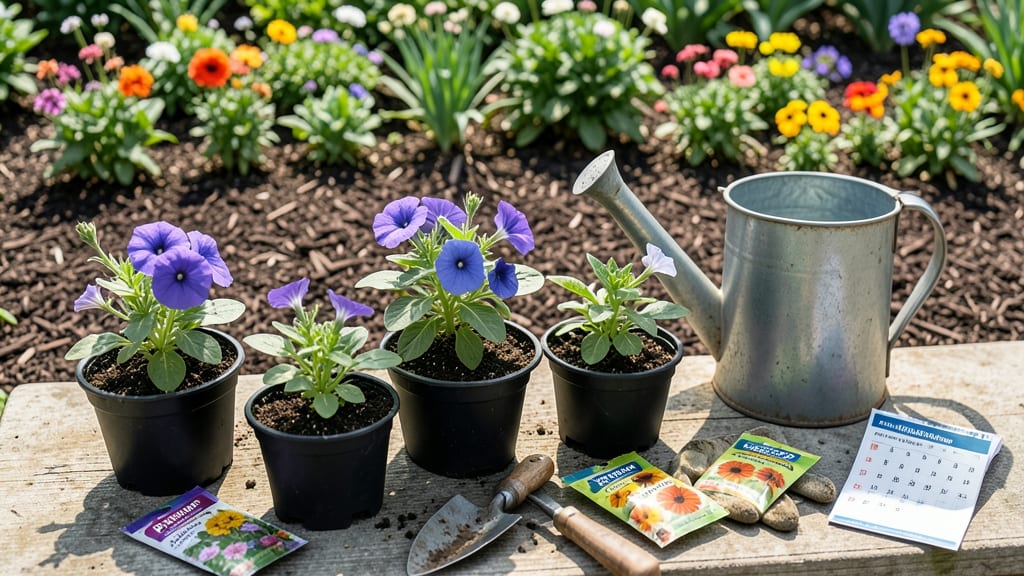
The best time to plant flowers in Ohio is after the last frost in spring or 4–6 weeks before the first frost in fall, aligning with USDA Zone 6a’s 165 frost-free days.
Ohio’s unpredictable spring weather can make or break your flower garden—plant too early and risk frost damage, too late and miss peak blooms. Timing is everything, and USDA zones help you pinpoint the exact window for success.
For Ohio gardeners, this means mid-April to early May for spring planting, when soil temperatures hit 60°F (15°C), and September to early October for fall varieties like mums and asters. The key is knowing your zone’s last frost date—April 15 on average—to avoid shocking tender blooms.
Below, I’ll break down the month-by-month schedule for Ohio’s top flowers, soil prep tips, and how to extend your planting season with row covers and cold frames. Ready to transform your garden?
Ohio’s spring frost dates by USDA Zone (2024 planting calendar)
Ohio’s USDA zones 4b–6a create dramatic differences in frost timing—just 30 miles can shift your last frost date by 1–2 weeks. Northern Ohio (Zone 4b) typically sees frost until May 15–20, while southern Ohio (Zone 6a) often warms up by April 15–20.
These dates determine when to plant tender annuals like petunias or cold-hardy perennials like coneflowers.
Microclimates add another layer: Urban areas (like Columbus) warm 2–3°F faster than rural zones due to heat islands, while valleys and low-lying areas stay colder longer. Always check your local weather station for real-time updates—2024’s unpredictable patterns may push frost dates earlier or later than averages.
For annual flowers, wait until 3–4 days after your zone’s average last frost date to transplant seedlings. For tender bulbs (like dahlias), hold off until soil temps reach 60°F—a soil thermometer is your best friend. Perennials like black-eyed Susans can handle earlier planting, even with light frost.
| USDA Zone | Avg. Last Frost | Avg. First Frost | Safe Planting Window | Microclimate Notes |
|---|---|---|---|---|
| 4b (North) | May 15–20 | Oct 5–10 | May 25–June 1 | Valleys stay cold; use row covers |
| 5a (Northeast) | May 1–10 | Oct 10–15 | May 15–20 | Urban areas warm faster |
| 5b (Central) | April 25–May 5 | Oct 15–20 | May 10–15 | Rural areas may frost later |
| 6a (Southwest) | April 15–20 | Oct 25–30 | April 25–May 5 | Heat islands extend season |
Use these dates as a starting point, not a rulebook. In Zone 5b, for example, pansies can handle light frost and may bloom as early as April 1, while geraniums need to wait until May 15.
Always monitor nighttime temps—a 32°F dip can devastate tender seedlings overnight.
For fall planting, aim to get annuals in the ground 4–6 weeks before your zone’s first frost date.
In Zone 4b, that’s September 1–15, while Zone 6a gardeners can push it to October 1–15. Mums and asters are perfect choices—they thrive in cooler temps and add late-season color.
Pro tip: Hardening off seedlings for 7–10 days before transplanting helps them survive Ohio’s temperature swings. Gradually expose them to outdoor conditions (wind, sun, cooler nights) to build resilience. This is especially critical for tender perennials like canna lilies or elephant ears.
Don’t forget about heat zones! Ohio’s growing degree days (GDD) vary widely—Zone 4b accumulates 1,500–1,800 GDD, while Zone 6a hits 2,000–2,400 GDD.
Best flowers to plant by month in Ohio (Zone-specific guide)
Ohio’s four distinct seasons create the perfect canvas for a vibrant flower garden, but timing is critical. Plant too early and frost will nip your blooms, while late planting may leave you with sparse summer displays.
The key is matching cold-hardy varieties to Ohio’s USDA Zones 4b–6a, where last frost dates range from mid-April in the north to late April in the south. Let’s break down the best flowers to plant each month for a year-round Ohio garden.
For Zone 4b gardeners (northwest Ohio, like Toledo), focus on early spring bulbs and cold-tolerant annuals that can handle late frosts. In Zone 6a (southern Ohio, like Cincinnati), you’ll enjoy a longer growing season, allowing for heat-loving summer bloomers and fall-planted perennials.
Regardless of your zone, soil temperature (aim for 60°F+) is your best guide—never plant when the ground is still cold.
- March–April (Early Spring): Plant pansies, sweet peas, and crocuses in Zone 5–6a. For Zone 4b, start hardy bulbs like daffodils indoors.
- May (Late Spring): After last frost, sow petunias, marigolds, and zinnias. Transplant geraniums and coleus once soil warms to 60°F.
- June–July (Summer): Add cosmos, sunflowers, and black-eyed Susans. Succession plant basil and nasturtiums every 2 weeks for continuous blooms.
- August–September (Early Fall): Plant mums, asters, and pansies for fall color. Zone 4b gardeners can start hardy perennials like coneflowers in containers.
- October (Late Fall): Focus on bulbs like tulips and hyacinths (plant by mid-October). Mulch perennials to protect roots from winter chill.
In early spring (March–April), prioritize cold-tolerant annuals like pansies, which bloom at 35°F and add color to early gardens. Sweet peas thrive in cool weather and climb trellises beautifully. For Zone 4b, start hardy bulbs indoors in late March to get a jump on frost.
My go-to tip: Use row covers to protect tender seedlings if late frosts linger.
By late spring (May), the real fun begins! After the last frost date (typically May 15 in most of Ohio), sow heat-loving annuals like petunias and marigolds. These sun-worshippers need 6+ hours of light daily, so place them in south-facing beds.
I’ve found that marigolds also deter pests like aphids, making them a dual-purpose powerhouse.
Summer (June–July) is prime time for long-blooming annuals like cosmos and zinnias, which thrive in Ohio’s humidity. Succession planting every 2 weeks ensures your garden stays vibrant.
For perennials, divide overcrowded clumps of daylilies or black-eyed Susans in early June to rejuvenate growth. Pro tip: Deadhead spent blooms to encourage continuous flowering.
Don’t overlook fall planting (August–October)—it’s when mums and asters shine, offering late-season color before frost. In Zone 4b, start hardy perennials like coneflowers in containers to transplant after the first frost.
By mid-October, focus on bulbs; tulips and daffodils need 6–8 weeks in the ground to establish roots before winter.
With this month-by-month guide, your Ohio garden will bloom season after season. Remember: Soil prep (amend with compost) and consistent watering (deep soaks, not light sprinkles) are the secrets to thriving flowers. Happy planting! 🌸