
Flowers
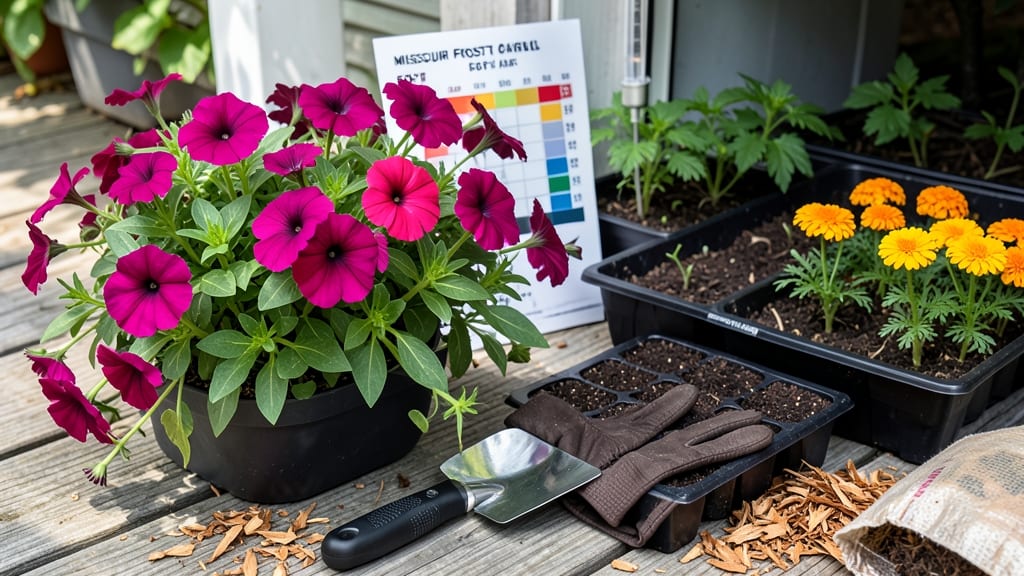
When is it safe to plant flowers in Missouri? Planting flowers in Missouri safely depends on your county’s frost-free dates, which can shift by weeks depending on whether you’re in St. Louis or the Ozarks.
Missouri gardeners know timing is everything—plant too early and frost will ruin your blooms, but wait too long and summer heat arrives before your flowers even sprout. The key? Understanding your county’s frost-free dates and microclimates to maximize your garden’s potential.
For most of Missouri’s 5b-6b zones, the last frost typically lands around April 15, but rural areas can lag by a week or more. That means annuals like petunias and perennials like coneflowers need to wait until soil temperatures hit 60°F—or risk stunted growth.
Below, I’ll break down the exact weeks to plant by county, how to adjust for late frosts, and which flowers handle Missouri’s unpredictable swings best.
Missouri frost-free dates by county: when to plant flowers safely
Missouri’s frost-free dates vary dramatically by county, making it critical to know your local averages before planting annual flowers or perennial blooms. In USDA Zones 5b-6b, a late frost can wipe out tender seedlings overnight, while waiting too long risks summer heat stress.
My garden in St. Louis County (Zone 6a) taught me the hard way—planting petunias in early April led to frost damage twice before I adjusted to mid-May timing.
To avoid these mistakes, I rely on the Missouri Botanical Garden’s frost calculator, which accounts for urban heat islands (like Kansas City) and rural valleys (like the Ozarks). Cities warm up faster in spring, while rural areas hold frost longer.
For example, Cape Girardeau (Zone 6b) may see its last frost by April 10, while St. Joseph (Zone 5b) often waits until May 1. These differences matter for heat-loving flowers like marigolds versus frost-tolerant perennials like black-eyed Susans.
How to adjust planting times for Missouri’s microclimates and flower types
Missouri’s diverse geography—from the Ozark Highlands to the fertile Bootheel—creates microclimates that can shift planting windows by 2-3 weeks. For example, St. Louis (Zone 6a) typically waits until mid-April, while Southeast Missouri (Zone 7a) can plant 2 weeks earlier due to milder winters.
Understanding these variations helps you avoid frost damage or heat stress in your flowers.
Not all flowers thrive in Missouri’s hot summers or chilly springs. Heat-tolerant annuals like lantana and zinnia can handle 90°F+ temperatures, while frost-sensitive perennials like black-eyed Susans need soil temps above 60°F to sprout. Adjusting your schedule based on flower type and microclimate ensures vibrant blooms all season.
🌱 Key Adjustments for Missouri’s Microclimates
- 1. Elevation Matters: Higher elevations (e.g., Ozarks) have cooler soils—wait until May 1 for frost-sensitive flowers like petunias.
- 2. Soil Type Impact: Clay-heavy soils (common in Northern MO) stay cold longer; amend with compost to warm faster.
- 3. Urban vs. Rural: Cities like Kansas City experience urban heat islands, allowing earlier planting for heat-lovers like salvia.
- 4. Flower Hardiness: Perennials (e.g., coneflowers) can handle light frosts; annuals (e.g., marigolds) need consistent warmth.
- 5. Extend Seasons: Use row covers for spring or cold frames for fall planting to protect tender blooms.
For annuals, start seeds 6-8 weeks before your last frost date.
In Southern Missouri (Zone 7b), this means mid-March for heat-loving varieties like sunflowers, while Northern Missouri (Zone 5b) gardeners should wait until late April for frost-sensitive petunias. Perennials, like daylilies, can be planted 2 weeks earlier in well-draining soil.
Missouri’s summer heat can stress flowers, so mulch heavily to retain moisture and water deeply in the morning. Heat-tolerant flowers like zinnia and lantana thrive in full sun, while shade-lovers such as impatiens need afternoon shade in Zone 6a.
Adjust watering based on soil type: sandy soils dry faster than clay.
To extend your blooming season, use row covers in early spring or cold frames for fall planting. For example, pansies can tolerate light frosts and bloom earlier with protection. In fall, plant hardy perennials like sedum by mid-September to establish roots before first frost.
Missouri’s microclimates offer flexibility—experiment with earlier plantings in urban heat zones or delayed schedules in high-elevation areas. Keep a planting journal to track what thrives in your specific zone, and don’t hesitate to use season extenders like cloches or hoop houses for high-value blooms.