
Blooming
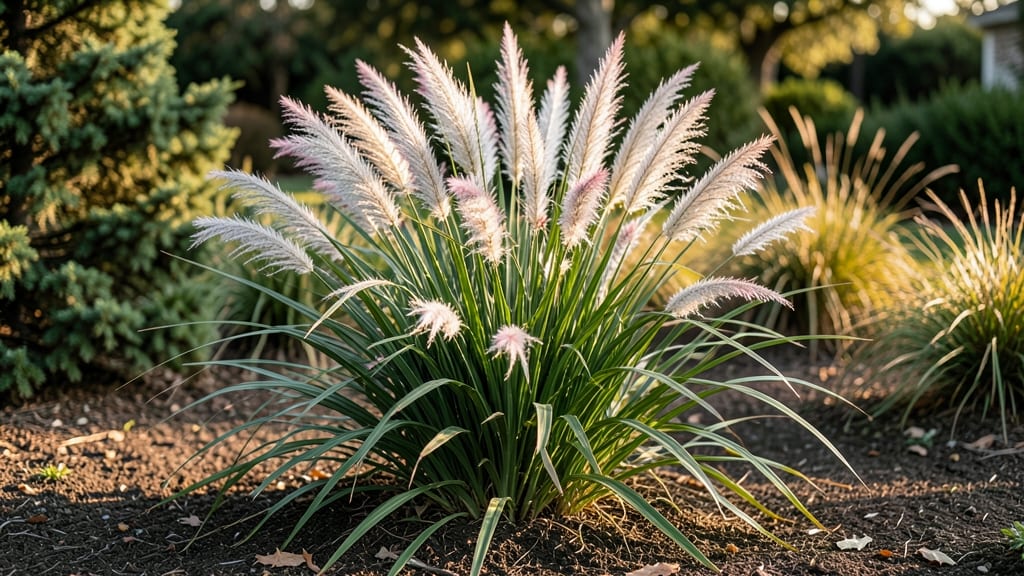
Pampas grass flowers in late summer to fall 🌿, turning your yard into a dreamy, cloud-like spectacle—but only if you know when to expect those show-stopping plumes.
Picture this: you’ve waited all year for your Pampas Grass to burst into bloom, only to glance out the window in September and see nothing but lush green.
That’s because timing is everything, and missing the window can leave you wondering why your plant looks like a decorative shrub instead of a statement piece.
In most temperate zones, the flowering season kicks off in August and stretches through October, with cooler climates (like USDA Zone 7) blooming later and warmer zones (like Zone 10) getting an early show.
But climate isn’t the only factor—soil, sunlight, and even how you prune can shift that timeline.
Here’s what you need to know: how to predict your plant’s blooming window, what to do if it’s late (or never arrives), and how to keep those plumes looking their best year after year.
Pampas grass flowering timeline by USDA climate zones
Your pampas grass (Cortaderia selloana) blooms in a seasonal window that shifts dramatically depending on your USDA hardiness zone. In Zone 7, expect late summer to fall blooms, while Zone 10 varieties may flower as early as late spring.
Understanding these regional variations helps you plan for the most stunning displays.
Frost sensitivity plays a critical role in timing. Early bloomers in warmer zones (like Zone 10) may start producing plumes by May or June, while late-season varieties in cooler zones (like Zone 7) won’t flower until September or October.
Even within the same zone, microclimates can push blooming dates by weeks.
Here’s how your region affects flowering timing:
| USDA Zone | Typical Flowering Months | Frost Impact | Notes |
|---|---|---|---|
| Zone 7 | Late August – October | Frost-sensitive; blooms cut short if early frost arrives | Prune dead plumes in late winter to encourage new growth |
| Zone 8 | July – September | Light frosts may damage new plumes | Mulch roots in winter to protect from cold snaps |
| Zone 9 | June – August | Minimal frost risk; long bloom window | Water deeply during summer droughts to maintain blooms |
| Zone 10 | April – June | No frost risk; earliest bloomers | May produce multiple bloom cycles per year |
| Zone 11 | March – May | Tropical; blooms year-round with ideal care | Fertilize lightly in spring for vibrant plumes |
If you live in Zone 7 or 8, your pampas grass likely enters dormancy after blooming, so plan to prune spent plumes in late winter (February or March) to make room for new growth. In warmer zones (9-11), you may see multiple bloom cycles if conditions are ideal.
Adjust your expectations based on your region. For example, a Zone 10 plant might flower by May, while a Zone 7 variety could wait until September. Frost-sensitive varieties in cooler zones may produce shorter-lived plumes if cold snaps arrive early.
To extend your blooming season, choose varieties suited to your zone. For instance, 'Pink Feather' thrives in Zones 8-11 and often blooms earlier than 'Pampas White', which prefers Zones 7-9. Always check the plant tag for specific recommendations.
Pro tip: In Zone 7, protect young plants with burlap wraps if frost is forecasted during bloom season. This small step can preserve your plume display for weeks longer.
Finally, remember that mature plants (3+ years old) produce more dramatic blooms than younger ones. If your pampas grass isn’t flowering yet, it may simply need time to establish its root system before putting energy into plumes.
🌿
How to predict your pampas grass flowering season
Predicting when your pampas grass will flower starts with understanding its growth stages. Unlike annuals, this perennial ornamental grass needs time to mature—typically 2-3 years before producing those iconic silver-white plumes.
The key is watching for cane development and bud formation in early summer, which signals the bloom cycle is about to begin.
Your local climate zone plays a huge role in timing. In USDA Zones 7-9, flowering usually peaks from late summer to fall (August-October), while Zone 10 varieties may bloom earlier (June-July). Even within the same zone, microclimates—like a sunny south-facing slope—can shift bloom times by 2-4 weeks.
- 📏 Cane Height: Reaches 3-4 feet by early summer (varies by variety).
- 🌱 New Growth: Bright green shoots appear in May-June (post-winter dormancy).
- 🌡️ Temperature Trigger: Consistent 70°F+ nights for 2+ weeks kickstarts budding.
- 🌿 Plume Buds: Tight, fuzzy clusters form at cane tips (visible by July-August).
- ☀️ Sunlight Hours: 6+ hours of direct sun daily ensures vigorous bloom development.
First-time growers often miss the subtle early signs of flowering. Start by marking your plant’s canes with colored flags in early spring to track growth. Healthy canes will thicken and develop woody stems by mid-summer—a clear indicator blooms are coming.
Pay attention to leaf color too: vibrant silver-blue foliage means your plant is thriving and ready to flower.
Adjust your expectations based on your plant’s age. A 1-year-old pampas grass may only produce 1-2 small plumes, while a 3-year-old specimen can burst into 10+ dramatic blooms.
If your plant is 4+ years old but still not flowering, check for nutrient deficiencies (like low potassium) or overcrowded roots, which can delay blooming.
For accurate predictions, combine these cues with your local frost dates. Pampas grass needs 60-90 frost-free days after bud formation to complete its bloom cycle. Use a frost calendar to estimate when to expect those show-stopping plumes.
In cooler zones (Zone 7), blooms may appear later (September-October), while warmer zones (Zone 10) see earlier displays (June-July).
Once you’ve mastered these predictive techniques, you’ll never miss pampas grass season again. The satisfaction of timing those ethereal plumes—like catching a sunset over a meadow—makes all the effort worthwhile.
Grab your pruners in late winter and prepare to welcome your plant’s annual floral performance with open arms. 🌻