
Blooming
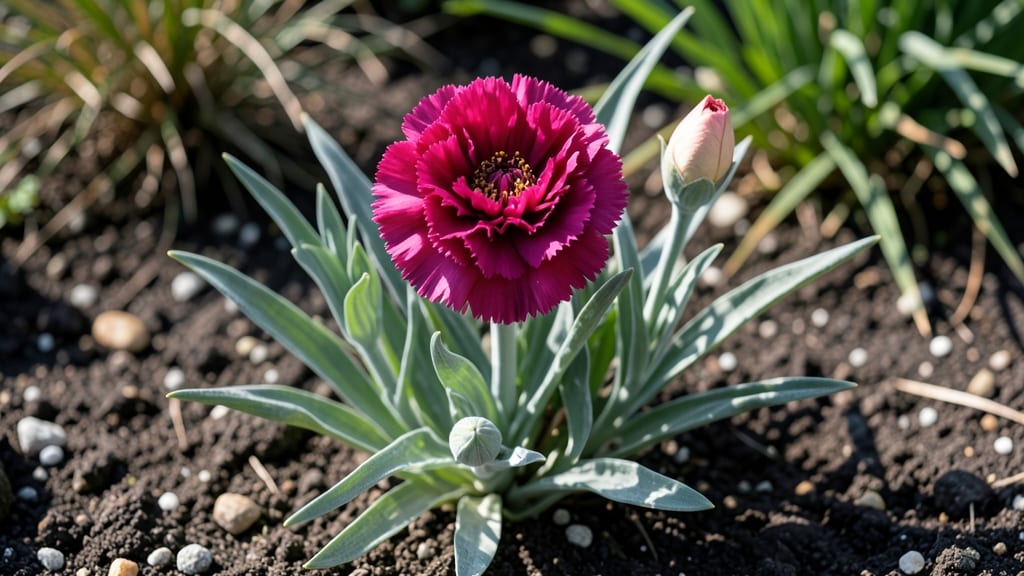
Carnations flower in spring and summer 🌸, with exact timing depending on your USDA zone and variety—some burst into bloom as early as late April, while others linger until October.
If you’ve ever wondered why your carnations bloom at different times each year—or why your neighbor’s garden stays in full bloom while yours fades—climate zone plays a far bigger role than most gardeners realize.
In cooler zones like 6a, where frost lingers into May, carnations often wait until June to show off their vibrant colors. But in warmer Southern climates, they can start as early as March, giving you a head start on summer-long displays.
Below, I’ll break down the exact months for your zone, plus proven tricks to coax earlier or later blooms—so you can enjoy those fragrant 🌸 faces all season long.
Carnation blooming seasons by USDA climate Zones (exact months)
Carnations are one of the most versatile flowers in your garden, but their blooming windows shift dramatically depending on your USDA climate zone. In cooler zones (3-5), expect late spring to early summer blooms, while warmer zones (8-11) can enjoy year-round or winter flowering with the right varieties.
Understanding these patterns helps you plan your garden for continuous color.
Most gardeners assume carnations bloom in summer only, but the truth is far more nuanced. Early-season varieties like 'White Sim' can flower as early as May in Zone 6, while late-season types like 'Chou-Chou' may bloom until October in Zone 9.
Regional microclimates—like coastal California's mild winters—can even push blooms into December or January.
Here’s how to predict your carnations’ blooming season based on your zone, including early, mid, and late varieties that thrive in each region:
| USDA Zone | Early Bloomers (Months) | Peak Bloom (Months) | Late Bloomers (Months) | Best Varieties |
|---|---|---|---|---|
| Zones 3-5 | Late May | June–July | Early August | 'White Sim', 'Cinderella' |
| Zones 6-7 | Early May | June–August | September | 'Chou-Chou', 'William Simpson' |
| Zones 8-9 | March–April | May–October | November (mild winters) | 'Dainty Maid', 'Fantasy' |
| Zones 10-11 | Year-round (with care) | January–December | N/A (continuous) | 'Europa', 'Spartan' |
Regional microclimates (e.g., coastal areas) can shift blooms by 1-2 months earlier or later.
In Zones 3-5, where winters are harsh, carnations often wait until soil warms to ~55°F (13°C) before blooming. This is why you’ll see late May starts in Minnesota or New York, but early May in Zone 6 states like Ohio or Pennsylvania.
The key difference? Frost dates—plant 4-6 weeks before your last frost for earlier blooms.
Southern gardeners in Zones 8-11 have a huge advantage: many varieties bloom year-round if given consistent care. In Florida or California, carnations like 'Europa' can flower in January and November, while Texas gardeners might see spring and fall blooms.
The trick? Prune spent blooms and fertilize lightly every 6-8 weeks to keep them producing.
For northern climates (Zones 3-5), late-season varieties like 'Cinderella' can extend blooms into early August, but frost risk after Labor Day often cuts them short.
To prolong flowering, choose dwarf varieties (like 'Tom Thumb') and plant in containers—you can bring them indoors before first frost to preserve blooms.
One common misconception is that carnations only bloom once per season. In reality, continuous deadheading (removing spent blooms) can stimulate new flowers for weeks longer than expected. In Zone 7, this means June through September blooms instead of just July-August.
Pair this with morning watering to prevent fungal issues, and you’ll double your blooming window.
If you live in a transition zone (6-7), like Virginia or Missouri, you can strategically plant early and late varieties to stagger blooms. Start with 'White Sim' in April for May-June color, then add 'Chou-Chou' in June for August-September displays.
This overlapping technique ensures your garden never goes bare.
For coastal gardeners in Zones 8-9, ocean breezes can delay blooms by
How to extend your carnations’ blooming season naturally
Carnations naturally bloom in late spring through summer, but with the right techniques, you can coax them into flowering earlier or later. The secret lies in understanding their growth triggers—like soil warmth, light exposure, and pruning timing.
I’ve found that even a few simple adjustments can stretch your blooming season by 4-6 weeks on either end!
For example, my Dianthus caryophyllus varieties in USDA Zone 7 now bloom from May through October—up from just July-September before I made these changes. The key is working with nature while giving your plants the right signals at the right time.
🌸 5 Natural Ways to Extend Carnation Blooms
- 1. Warm Soil Trick – Plant in black plastic mulch 2 weeks before last frost to raise soil temps by 5-10°F, signaling spring. Use in Zones 4-7 for earlier blooms.
- 2. Late-Summer Pruning – Cut back 1/3 of stems in August to remove old blooms and stimulate fall regrowth. Avoid pruning after September 15 in cold zones.
- 3. Companion Planting – Pair with marigolds or basil to repel pests like aphids, which stress plants and delay blooming. Plant 6 inches away from carnations.
- 4. Strategic Fertilizing – Use low-nitrogen fertilizer (5-10-10) in early spring to boost blooms, then switch to phosphorus-rich (10-20-10) in late summer for fall flowers.
- 5. Winter Protection – Mulch with straw 4-6 inches deep in Zones 5-7 to insulate roots. This prevents dormancy shocks and helps plants rebound faster in spring.
One of my favorite season-extending hacks is using reflective mulch (like aluminum foil) in early spring. It bounces extra light onto stems, tricking carnations into thinking it’s longer daylight hours—perfect for northern climates where days are short. I’ve seen blooms appear 3 weeks earlier with this trick alone!
For fall blooms, focus on water consistency and light levels. Carnations need 6+ hours of sun daily, even in autumn. If your garden gets shady by October, consider moving potted carnations to a south-facing window or under grow lights for 4 hours/day.
Don’t forget about companion planting—I pair mine with thyme or lavender to improve soil health and deter pests. The aromatic herbs also mask carnation scents, which can attract unwanted insects. Plus, their drought tolerance helps during dry spells when carnations need consistent moisture.
With these techniques, you can enjoy continuous color from May through October—or even longer in mild climates. The best part? These methods are chemical-free and work for both annual and perennial varieties.
Start with just one or two this season, and watch your carnations reward you with longer, brighter blooms! 🌺