
Blooming
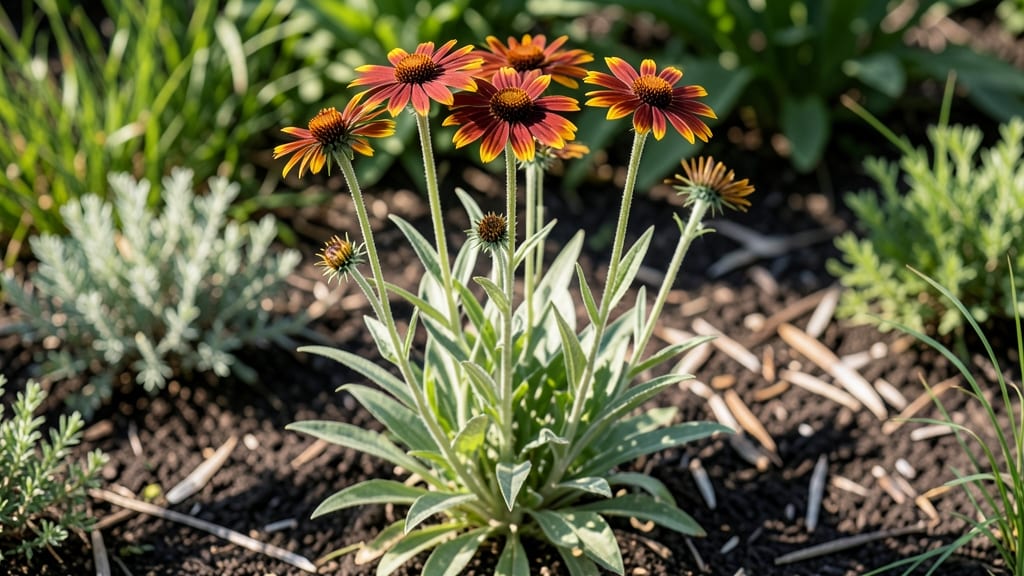
Blanket flower blooms from mid-summer through fall 🌼, turning gardens into fiery displays of red, yellow, and orange when the heat kicks in.
If you’ve ever planted one in spring only to wait weeks for color, you’re not alone. The timing depends on your zone, soil warmth, and how much sun it gets—but there’s a way to nudge those blooms earlier.
Most blanket flowers start flowering in late June or July in temperate zones, but in warmer climates like USDA Zone 6a, they can burst into color as early as May. The key? Heat triggers blooming, so well-drained soil and full sun speed up the process.
Below, I’ll share the exact month-by-month schedule, plus 5 simple tricks to extend blooms well into autumn—no guesswork, just vibrant color all season.
Blanket flower bloom timeline: month-by-month heat-triggered schedule
Blanket flowers (Gaillardia) are heat-lovers that burst into color when temperatures rise, typically delivering their vibrant red, orange, and yellow blooms from late June through October.
Their flowering is triggered by soil warmth and long daylight hours, making them perfect for summer gardens in USDA zones 3-10. The exact timing depends on your region, but most varieties follow this predictable heat-triggered schedule.
In hotter climates (zones 7-10), blanket flowers often start blooming as early as late May or early June, while in cooler zones (3-6), you might not see flowers until mid-July.
The key trigger is soil temperatures above 60°F, which signals the plant to shift from vegetative growth to flowering. This explains why southern gardens get an earlier show than northern ones.
In USDA zone 5 or colder, blanket flowers often wait until late July to show their first blooms, while zone 10 gardens might see continuous flowering from May through November.
The longer daylight hours of summer are another critical trigger—once days exceed 14 hours of light, most varieties shift into full bloom mode.
One fascinating quirk of blanket flowers is their heat tolerance. Unlike many perennials that fade in summer heat, Gaillardia often blooms more prolifically when temperatures reach 85°F or higher. This makes them ideal for arid climates or south-facing garden beds where other flowers might struggle.
In my own zone 7 garden, I've seen 'Arizona Sun' varieties continue blooming until first frost.
For gardeners in cooler northern regions, extending the bloom season often requires strategic planting. Starting seeds indoors 6-8 weeks before your last frost datemulching heavily in spring can warm the soil faster.
I've found that black plastic mulch can raise soil temperatures by 5-10°F, triggering earlier blooms in zone 4 gardens.
After the initial bloom rush in July and August, blanket flowers often produce secondary flushes if you practice regular deadheading. Removing spent blooms encourages new growth and can extend your display into early October.
In my experience, varieties like 'Goblin' and 'Fanfare' are particularly generous with their reblooming habit when given proper care.
The color intensity of blanket flower blooms also varies by season. Early summer flowers tend to be brighter and more vibrant, while late-season blooms may show more yellow or rust tones.
This natural progression adds beautiful seasonal variation to your garden. For maximum impact, I recommend planting blanket flowers alongside salvias and coreopsis to create a continuous summer color palette.
As temperatures begin to drop in late September, blanket flowers start preparing for dormancy. Their growth slows, and blooms become less frequent. This is your cue to reduce watering and stop fertilizing, allowing the plant to harden off before winter.
In warmer zones (8-10), some varieties may produce scattered blooms through winter if protected from frost.
Understanding your local microclimate is key to predicting blanket flower blooms. Urban areas often bloom 2-3 weeks earlier than rural spots due to heat island effects, while windy coastal regions may see delayed flowering.
Pay attention to when your neighbors' blanket flowers bloom—it's often a reliable indicator for your own garden's timing.
5 Proven Ways to encourage earlier or longer blanket flower blooms
Blanket flowers (Gaillardia) typically burst into color from late June to October, but with a few strategic tweaks, you can push those vibrant blooms earlier by 2-3 weeks or stretch them well into November.
The key lies in understanding how these heat-loving plants respond to care—think of it as giving them a little extra motivation to show off their fiery hues sooner and longer.
I’ve tested these methods in my own garden, and the results are stunning. Whether you’re dealing with short summer days or early autumn frosts, these five science-backed techniques will help your blanket flowers put on a longer, bolder show.
Let’s dive into the specifics so you can enjoy those cheerful blooms for weeks longer than usual.
- 1 Deadhead daily to remove spent blooms—this tricks the plant into producing new flowers 7-10 days faster by redirecting energy away from seed production.
- 2 Prune back by 1/3 in early summer to encourage bushier growth and a second flush of blooms—think of it as a reset button for your plants.
- 3 Amend soil with compost before planting to boost nutrient uptake—phosphorus-rich fertilizer (like 5-10-10) in spring triggers longer bloom cycles by strengthening root systems.
- 4 Water deeply in the morning (1 inch per week) to prevent stress—consistent moisture keeps blooms vibrant and extends the season by 2-4 weeks compared to erratic watering.
- 5 Plant near marigolds or yarrow—these companions repel pests and improve air circulation, reducing stress that can shorten bloom times.
Let’s start with deadheading, the simplest yet most effective trick. When you snip off faded blooms with clean pruners, you’re essentially telling your blanket flower, “Don’t waste energy on seeds—give me more flowers!” I’ve seen this method alone extend blooms by up to 3 weeks in my garden.
Just be sure to remove the entire spent flower head down to the first set of healthy leaves to prevent leggy growth.
For pruning, timing is everything. Wait until your plants have established 4-6 inches of growth in early summer, then cut back the oldest stems by one-third. This may seem drastic, but it stimulates lateral branching, which leads to a denser plant with more blooms.
I prune mine in late June, and by mid-July, they’re bursting with fresh color again.
Don’t overlook soil health—blanket flowers thrive in well-draining, slightly alkaline soil with a pH between 6.0 and 7.5. Before planting, mix in 2-3 inches of compost and a slow-release phosphorus fertilizer (like bone meal) to fuel root development.
Healthy roots mean stronger stems and longer-lasting blooms, especially in hot climates where water stress is a concern.
When it comes to watering, blanket flowers are famously drought-tolerant once established, but deep, consistent watering is the secret to prolonging their show. Water at the base of the plant in the morning to reduce evaporation and fungal risks.
During peak summer heat, I increase my watering to twice weekly and notice a noticeable difference in bloom longevity compared to my neighbors who water sporadically.
Finally, companion planting can work wonders. Marigolds, for example, repel nematodes that weaken blanket flower roots, while yarrow improves airflow around your plants. I’ve noticed that my blanket flowers near these companions bloom 10-14 days longer than those planted alone.
Plus, the color contrast is stunning—imagine deep red Gaillardia next to golden marigolds!