
Flowers
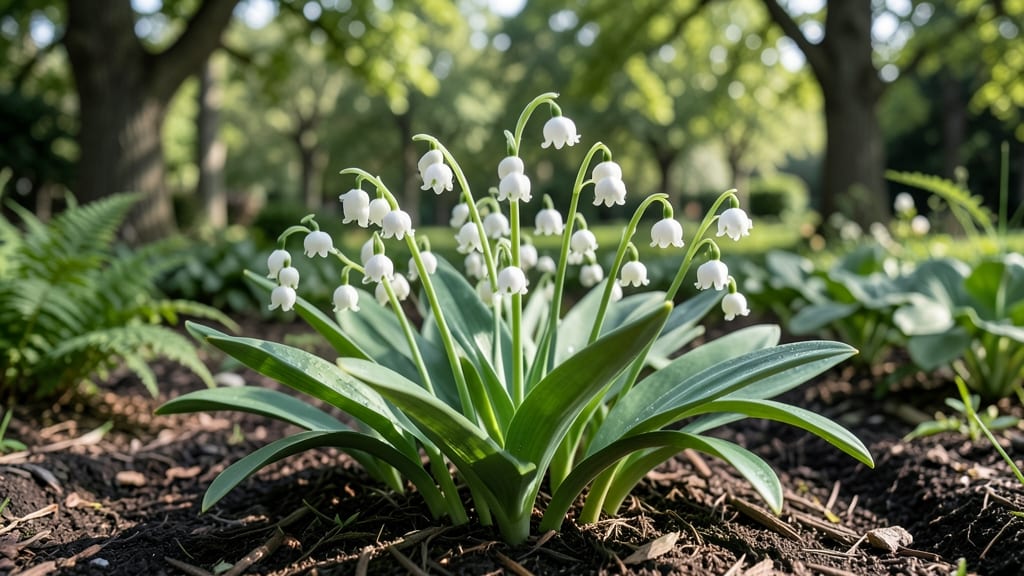
Lily of the valley flowers bloom in spring, typically between late April and early May in most regions — though the exact timing depends on your USDA zone and local microclimates.
The delicate bell-shaped blooms of lily of the valley announce spring’s arrival with their intoxicating scent, but when exactly should you expect them? Timing varies dramatically by climate zone, and knowing the right window can mean the difference between anticipation and disappointment.
In USDA Zone 6a, where these plants thrive, blooms often appear in early May, just as the foliage emerges. However, cooler zones like the Pacific Northwest may see flowers as early as mid-April, while warmer Southern regions could push blooming into late May.
Below, I’ll break down the blooming timeline by zone, how sunlight and soil affect timing, and five pro tips to encourage earlier or more abundant flowers—so you can plan your garden (or your sniffing schedule) with confidence.
Lily of the valley blooming timeline by USDA hardiness Zones
Lily of the valley (Convallaria majalis) unfurls its iconic fragrant bell-shaped flowers in spring, but the exact timing depends heavily on your USDA hardiness zone.
In cooler northern regions, blooms may appear as early as late April, while southern gardeners often enjoy them in March or even February. Understanding these variations helps you set realistic expectations and plan your garden layout for maximum impact.
Regional microclimates also play a crucial role. For example, the Pacific Northwest’s mild, wet springs can trigger blooming 2-3 weeks earlier than the dry, hot climates of the Deep South.
Even within a single zone, urban heat islands or sheltered garden spots can shift flowering by 10 days or more. Let’s break down what to expect in each zone.
🌸 Pro Tip: Lily of the valley blooms typically appear before or with the foliage, creating a stunning contrast. The flowers last 2-3 weeks if conditions are ideal, filling your garden with their signature sweet scent.
In USDA Zones 3-4, where winters are harsh, lily of the valley often waits until late May or early June to bloom. This delay gives the plant time to emerge from dormancy and establish roots before flowering.
If you live in Zone 4 and want earlier blooms, plant near a north-facing foundation to protect roots from late frosts.
Gardeners in Zones 5-6 enjoy the sweetest timing—blooms typically arrive in late April to mid-May, coinciding with other spring ephemerals like hepatica and bleeding heart. The Pacific Northwest stands out here, with blooms often appearing as early as early April due to its cool, moist climate.
In contrast, the Appalachian Mountains may see late bloomers stretching into early June.
For Zones 7-8, the show starts much earlier—March to early April—and some varieties in the Deep South may even bloom in February if temperatures stay mild.
Coastal areas like Georgia or South Carolina often experience longer bloom seasons, with some plants producing a second flush in fall under ideal conditions.
In the warmest zones (9-10), lily of the valley defies expectations by blooming as early as January or February. This makes it a winter garden standout in regions like Southern California or Florida.
However, inland valleys in Zone 9 may see delayed blooming until March due to warmer daytime temperatures slowing early growth.
🌿 Regional Adjustments: If your local blooms arrive later than expected, check for soil temperature—roots need 50°F+ soil to trigger flowering. Amending soil with compost can help warm the root zone faster in spring.
No matter your zone, lily of the valley’s blooming window offers a reliable spring signal. Use this timeline to plan companion plantings
How climate and microclimates affect lily of the valley flowering
Ever noticed your neighbor’s lily of the valley blooming weeks before yours? The difference often comes down to microclimates—those tiny variations in sunlight, temperature, and moisture that transform your garden into a patchwork of growing conditions.
These factors can shift blooming windows by 3-4 weeks, turning anticipation into confusion if you’re not prepared.
In my Zone 6 garden, lily of the valley typically blooms in late April, but last year, a patch near the north-facing foundation flowered in mid-March—while the one in full morning sun waited until early May. Understanding these shifts helps you set realistic expectations and troubleshoot delays without panic.
⚠️ Blooming Timing Shock: What Your Soil Temperature Reveals
Lily of the valley needs soil temps of 50-55°F to trigger blooming. If your garden’s soil warms slower (common in urban areas with concrete or shady microclimates), flowers may arrive late. Test with a soil thermometer—if temps stay below 50°F past March 15, expect delays of 2-3 weeks.
Actionable fix: Plant rhizomes in warmer microclimates (south-facing slopes, near stone walls) or use black plastic mulch to raise soil temps by 5-10°F.
Sunlight plays a surprising role too. While lily of the valley thrives in partial shade, too much direct sun (especially afternoon rays) can stress plants, delaying blooms.
My east-facing border blooms reliably, but the west-facing patch often skips flowers entirely—until I moved it under a dappled oak canopy.
Rainfall patterns matter just as much. In dry springs, lily of the valley may hold off blooming until soil moisture stabilizes. Last year, my April showers triggered early flowers, but a droughty May caused buds to drop.
A 1-inch layer of mulch helps retain moisture, giving plants the consistency they crave.
Urban vs. rural gardens also create dramatic differences. City heat islands can push blooming 1-2 weeks earlier, while rural areas with cooler nights may see later displays.
If you’re in a suburban transition zone, monitor your local microclimate—your neighbor’s paved driveway might be baking their soil faster than your grass-covered yard.
To adjust expectations, track your garden’s unique conditions for 2-3 years. Note when your plants leaf out, when buds form, and when they bloom. Over time, you’ll spot patterns—like how my shady garden nook blooms 10 days later than the sunny edge.
With this data, you can plan companion plantings (like heuchera or ferns) to mask delays or celebrate early bloomers.
Remember, patience is key. Even with perfect conditions, lily of the valley’s 2-3 week bloom window is fleeting. The scent alone makes it worth the wait—so let your microclimate guide your garden dreams, not your neighbor’s timeline. 🌿