
Flowers
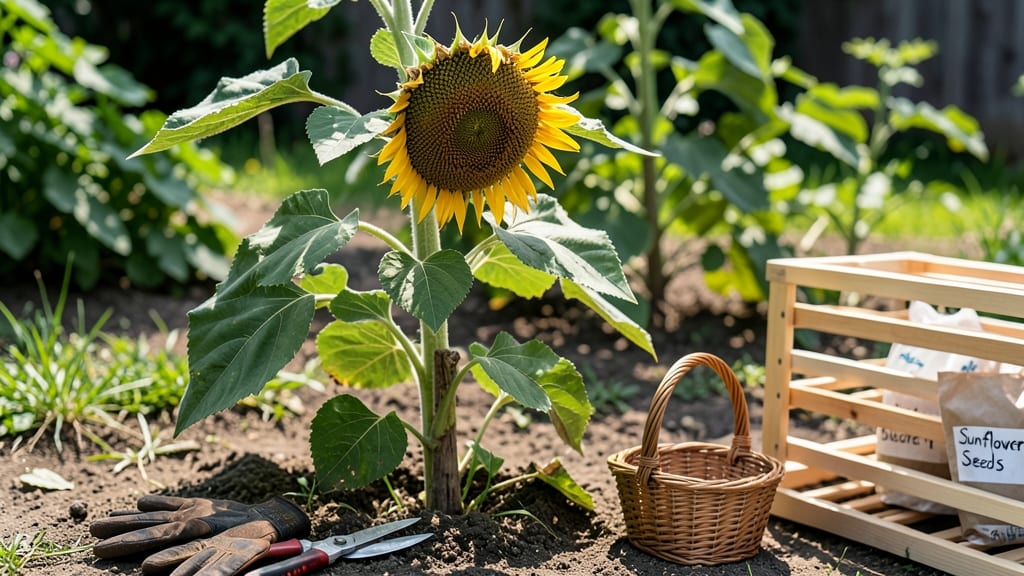
Sunflowers produce seeds about 60–100 days after planting, depending on the variety and growing conditions — but getting the timing right means the difference between a bountiful harvest and empty heads.
Imagine sinking hours into nurturing your 🌻 plants, only to watch birds or squirrels swoop in before you’ve even checked for seed readiness. That’s why knowing the exact stages of seed development is non-negotiable for gardeners in USDA Zone 6a or warmer.
From the first bud in early summer to the ideal harvest window in late summer or fall, this guide breaks down the key milestones you can’t afford to miss. We’ll cover how sunlight, water, and even fertilizer play a role in speeding up (or slowing down) seed maturation.
By the end, you’ll know exactly when to pull those seed heads, how to tell if they’re truly ready, and how to store them for next year’s garden. No more guesswork, just harvest-ready sunflowers every time.
Sunflower seed development timeline: from bud to harvest
Sunflowers transform from tiny sprouts into seed-producing giants in just 10-12 weeks, but the magic of seed development happens in the final 6-8 weeks of their lifecycle. Understanding these stages helps you time your harvest perfectly—before squirrels or birds claim your bounty.
The journey starts with a green bud and ends with a brown, papery seed head ready for harvest.
Seed development begins after the flower fully blooms (around 6-8 weeks after planting). This is when the yellow petals open wide, but the real action happens behind the scenes in the seed head. Inside, tiny florets start converting sunlight into energy for seed production.
For early varieties, this process kicks off as early as 50 days after germination, while tall varieties may take up to 120 days.
| Stage | Key Features | Timeframe | Action |
|---|---|---|---|
| Germination | Sprout emerges, first true leaves appear | 7-14 days | Plant 1 inch deep, thin seedlings to 6 inches apart |
| Vegetative Growth | Stem elongates, leaves expand | 3-4 weeks | Fertilize lightly with 5-10-10, ensure full sun |
| Bud Formation | Green buds form at stem tips | 4-6 weeks | Reduce fertilizer, focus on watering deeply |
| Blooming | Yellow petals open fully | 6-8 weeks | Monitor for pests, protect seed heads |
| Seed Development | Back of head turns yellow, seeds form | 8-12 weeks | Stop fertilizing, ensure dry conditions |
| Maturation | Seed head turns brown, seeds rattle | 10-15 weeks | Harvest when fully dry, before birds eat seeds |
During the seed development stage (weeks 8-12), the back of the seed head transforms from green to yellowish-brown. This is your cue that seeds are maturing inside.
If you’re growing early varieties like Autumn Beauty, you might see seeds ready as early as 50 days after planting, while tall varieties like Mammoth Russian take closer to 120 days.
Pay attention to your local frost dates—if seeds aren’t ready by early fall, consider harvesting them green and drying indoors.
Climate plays a huge role in seed timing. In hot, dry regions, sunflowers mature faster due to intense sunlight, while cooler climates may delay seed production by 2-3 weeks.
If you’re in a short growing season, opt for early-maturing varieties like Teddy Bear or ProCut, which produce seeds in just 50-60 days. For longer seasons, taller varieties like Russian Giant reward you with bigger seeds but need more time.
The ideal harvest window arrives when the seed head turns completely brown and the back feels dry and papery. At this stage, seeds inside should rattle loudly when you shake the head.
If you harvest too early, seeds won’t be fully developed; too late, and they’ll scatter or sprout in the head. For maximum yield, harvest on a dry, sunny day when humidity is low to prevent mold.
Pro tip: Cover seed heads with mesh bags once they start drying to keep birds and squirrels away. I’ve lost entire harvests to hungry critters—don’t let that happen to you!
After harvesting, dry seeds completely (spread them in a single layer for 1-2 weeks) before storing in a cool, dark place. Properly dried seeds can last 2-3 years for replanting.
If you’re growing sunflowers for cut flowers and seeds, prioritize varieties with strong stems like Sunzilla or Evening Sun. These hold up well in bouquets while still producing high-quality seeds. For bird feed, let a few heads mature naturally—the birds will thank you!
Remember, sunflowers are heliotropism champions—they follow the sun! This means their seed heads tilt toward sunlight during growth. As they mature, they’ll straighten up, signaling it’s nearly time to harvest. Watch for this natural repositioning as another clue that seeds are on their way.
How to tell when sunflower seeds are ready for harvesting
Harvesting sunflower seeds at the right time means the difference between plump, viable seeds and shriveled disappointment. Most sunflower varieties take 80–100 days to reach seed maturity, but environmental factors like temperature and rainfall can shift this timeline.
Paying attention to visual cues and environmental conditions ensures you don’t miss the perfect harvest window.
First, focus on the seed head’s color. When the petals have fully fallen off (a natural process called senescence), the back of the head will start turning yellow-brown.
This color change signals the seeds are nearing maturity. However, don’t rush to harvest just yet—wait for the head to dry out completely, which usually takes 1–2 weeks after petal drop.
⚠️ callout warning ⚠️
Too Early: Green seed heads mean seeds won’t germinate. Wait until the back turns fully yellow-brown and the seeds rattle.
Too Late: Overripe seeds fall out or attract pests. Harvest before frost or when heads turn gray/brown.
Pro Tip: Cover heads with breathable mesh to deter birds and squirrels while waiting for full maturity.
Next, perform the seed rattle test, a foolproof way to confirm readiness. Gently shake the seed head—if you hear a loud rattling (like a maraca), the seeds are dry and ready.
This test works best on dry, sunny days, as humidity can make seeds appear mature when they’re not. If the head feels lightweight when lifted, it’s a good sign.
Environmental factors play a crucial role. Harvest seeds when nighttime temperatures drop below 50°F but before the first frost. In hot climates, aim for late summer to early fall (August–September).
If your area experiences humid weather, wait until the seed heads are completely dry to the touch before harvesting, or you risk mold.
Common mistakes include harvesting when the seed head is still green or when the seeds are too dry and crumbly. Green heads mean seeds aren’t fully developed, while overly dry seeds won’t germinate.
To avoid these pitfalls, check your sunflowers weekly during the final 2–3 weeks of their growth cycle. Use a sharp knife or pruners to cut the head cleanly, leaving 1–2 inches of stem attached.
Once harvested, let the seed heads dry in a well-ventilated, dry place for 1–2 weeks before rubbing the seeds out by hand. Store them in a cool, dark place in an airtight container for up to 2 years.
With these tips, you’ll enjoy a bountiful harvest of sunflower seeds ready for planting or snacking!