
Blooming
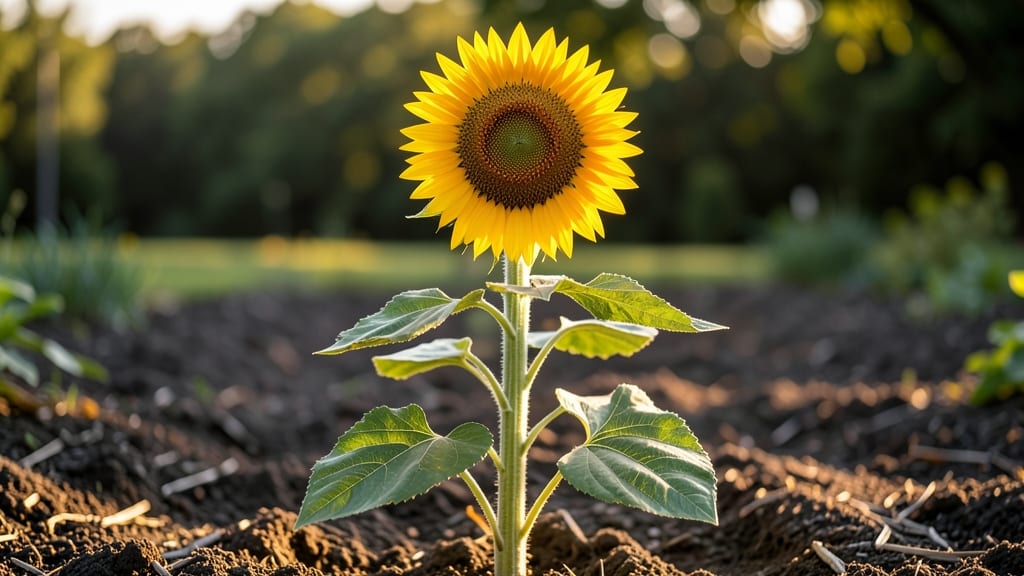
Sunflowers in Texas bloom between late May and September, depending on when you plant and which region you’re in—so timing your seeds right is the key to those golden faces popping up just as the heat settles in.
Picture this: you’ve spent weeks watching your 🌻 seedlings grow, only to have them bolt into flower way too early or never bloom at all. That’s the frustration Texas gardeners face when they don’t account for the state’s wild climate swings—from the Panhandle’s dry heat to the Gulf Coast’s humidity.
Here’s the good news: with the right planting window and a few regional tweaks, you can align your sunflowers’ blooms with Texas’ peak summer color.
Whether you’re in USDA Zone 8a or 10b, I’ll break down the exact months to plant for reliable blooms—and how to stretch that season even longer.
You’ll also discover the one mistake that kills blooms in West Texas (hint: it’s not what you think) and how to coax extra weeks of color from your tallest varieties before the first frost.
Texas sunflower blooming timeline by region: month-by-month breakdown
Texas sunflowers (🌻) thrive across the state, but their blooming windows vary dramatically depending on your specific region. From the cooler North Texas plains to the humid Gulf Coast, understanding these month-by-month patterns helps you plan for peak summer color.
Whether you're growing annual varieties like 'Moulin Rouge' or perennial types such as 'Teddy Bear', timing is everything for those iconic golden faces.
The key factor? Texas' USDA zones 8a-10b create microclimates where sunflowers can bloom as early as March in South Texas or as late as June in the Panhandle. Elevation also plays a role—higher areas like the Hill Country often see delayed blooms compared to coastal regions.
Let's break down what to expect where, including adjustments for urban heat islands versus rural areas.
🌱 PRO TIP: For consistent blooms, plant seeds 1-2 weeks after your last frost date—typically mid-February in North Texas and January in South Texas. Most varieties need 60-120 days to flower, so adjust your planting schedule accordingly.
In North Texas, where last frosts often hit mid-February, your sunflowers will typically bloom between late May and early June, with peak color lasting through July.
Urban areas like Dallas tend to bloom 1-2 weeks earlier than rural spots due to the urban heat island effect. For annual varieties, this means you'll enjoy vibrant blooms just in time for summer festivals.
The Gulf Coast offers the earliest blooms, with sunflowers often opening by March or April when planted in December or January. However, the humidity and frequent rains in this region can lead to powdery mildew if plants aren't spaced properly.
I recommend 6-inch spacing and good air circulation to keep your Gulf Coast sunflowers healthy and blooming.
For West Texas gardeners, the story is different. The arid climate and high elevation push blooms later—often June or July. This region benefits from drought-tolerant varieties like 'ProCut' or 'Autumn Beauty', which handle the intense summer heat better than traditional types.
Water deeply every 3-5 days during establishment to encourage strong roots.
💡 ELEVATION MATTERS: In the Hill Country, where elevations can exceed 2,000 feet, sunflowers may bloom 2-3 weeks later than in nearby cities. The cooler nights and calcareous soil create unique challenges. Amend your soil with compost and choose varieties like 'Russian Giant' that thrive in cooler conditions.
If you're growing perennial sunflowers like 'Teddy Bear', expect a slightly different timeline. These varieties often bloom 2-3 weeks later than annuals but provide longer
How to extend sunflower blooms in Texas: pro tips for longer season color
Sunflowers in Texas can bloom spectacularly—but only if you work with the heat and timing. The key to extending their vibrant displays lies in strategic planning, from soil preparation to variety selection.
With Texas' long growing season, you can push blooms from early summer all the way to fall with the right approach.
Start by choosing heat-tolerant varieties like 'Moulin Rouge', which thrives in Texas' intense summers, or 'Russian Giant' for cooler North Texas regions. These selections make all the difference in bloom duration and resilience against Texas' unpredictable weather patterns.
For earlier blooms, start seeds indoors 4-6 weeks before your region's last frost date. In North Texas, this means early February plantings, while South Texas gardeners can begin as early as January. Use grow lights to simulate long daylight hours if needed.
Texas' heat can shorten bloom seasons, but mulching with straw or wood chips helps retain moisture and cool roots. Apply a 2-3 inch layer around plants to regulate soil temperature—critical during our scorching summers when blooms can wilt prematurely.
Don't overlook fertilization timing. Apply a balanced 10-10-10 fertilizer when plants reach 12 inches tall, then again when buds form. Avoid nitrogen-heavy feeds in late summer, as they promote foliage over flowers. In West Texas, reduce watering slightly in September to harden off plants for fall blooms.
With these strategies, your Texas sunflower garden can burst with color from June through October—turning your yard into a golden oasis that lasts the entire growing season. The secret? Working with Texas' climate instead of against it. 🌻