
Flowers
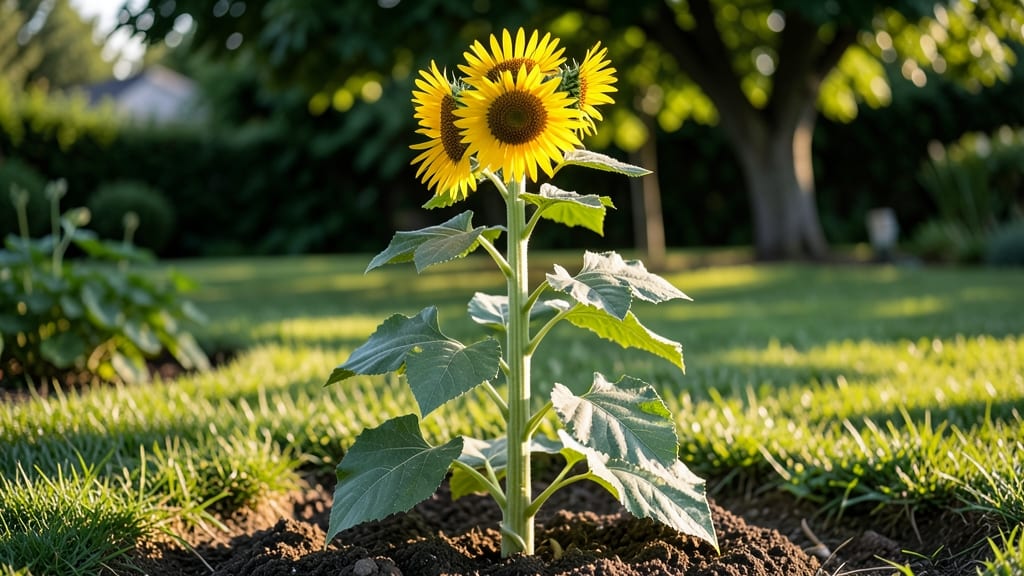
Sunchokes flower in their second year 🌿, typically between mid-summer and early fall, depending on your USDA zone and growing conditions.
If you're growing sunchokes (also called Jerusalem artichokes) and wondering when those striking purple flowers will appear, timing depends on your USDA zone—and getting it right means bigger tubers and fewer surprises.
In cooler zones like 6a, blooms often start in late July, while warmer regions may see flowers as early as June or as late as September. The key is understanding how sunlight, soil temperature, and even your planting depth can shift that window.
Below, I break down the exact flowering timeline by zone, share 3 proven tricks to encourage earlier blooms, and explain what those flowers really mean for your harvest.
Sunchoke flowering timeline by USDA zone: when to expect blooms
Timing is everything when growing sunchokes (Helianthus tuberosus), especially if you're dreaming of those vibrant purple-pink blooms that signal harvestable tubers. Unlike annual flowers, sunchokes are perennial in zones 3-10, meaning their flowering cycle shifts based on your climate.
Understanding these patterns helps you plan for optimal tuber production and avoid common pitfalls like bolting too early or missed harvest windows.
Sunchokes typically flower in their second growing season, but cold climates (zones 3-5) may delay blooms until year three. Warmer zones (7-10) often see flowers by late summer of the first year.
The key factor? Soil temperature—roots need 50°F+ consistently to trigger flowering. In cooler zones, early spring planting can push blooms forward, while late summer plantings may delay them until next year.
Here’s how your USDA zone affects flowering timing, along with early vs. late bloomer variations and climate-specific adjustments:
| USDA Zone | Typical Flowering Window | Early Bloomers | Late Bloomers | Climate Notes |
|---|---|---|---|---|
| Zones 3-5 | Late July–September (Year 2 or 3) | June (if planted early) | October (cold snaps delay) | Short season; mulch to protect roots |
| Zones 6-7 | Mid-July–August (Year 2) | Late June (warm springs) | September (cool summers) | Ideal for consistent blooms |
| Zones 8-9 | June–July (Year 1 or 2) | May (tropical varieties) | August (heat stress) | May bolt early; shade in peak summer |
| Zone 10 | April–June (Year 1) | March (winter plantings) | July (drought delays) | Year-round growth; harvest tubers before flowers |
In zones 3-5, where winters are harsh, sunchokes often skip flowering in their first year, focusing energy on root establishment instead. The real spectacle comes in year two or three, when soil warms enough to trigger blooms.
To speed this up, plant tubers in late spring (after frost) and use black plastic mulch to raise soil temperature by 5-10°F. This can push flowering forward by 2-4 weeks.
Gardeners in zones 6-7 typically see sunchokes flower in their second summer, aligning with late July to August. These zones offer the best balance for tuber production and blooms. However, if your spring is unusually warm, you might spot early flowers as soon as late June.
To prevent premature bolting (which reduces tuber size), avoid over-fertilizing with nitrogen—stick to a balanced 5-10-10 fertilizer instead.
Warmer climates in zones 8-10 can be tricky because sunchokes may flower too early, sapping energy from tuber growth. In zone 10, for example, blooms can appear as early as April if planted in winter.
To delay flowering and prioritize tubers, plant in partial shade during peak summer months. Alternatively, harvest tubers before flowers emerge—they’ll still be edible and larger than if left to bloom.
Watch for environmental cues like leaf color and stem height. Healthy sunchokes develop deep green leaves in early summer, followed by tall, sturdy stems (3-6 feet) that signal impending blooms. If your plants are bolting early (shooting up without leaves), they’re likely stressed from heat or drought.
Increase watering to 1-2 inches per week and provide afternoon shade with shade cloth if temperatures exceed 90°F.
Pro tip: Deadhead spent blooms to redirect energy to tuber production. This simple step can boost your harvest by 20-30% by preventing the plant from wasting resources on seed development. Use clean pruners to snip off flower heads just as they fade, leaving the foliage intact to photosynthesize.
Remember, sunchokes are perennial in most zones, meaning they’ll return year after year. If you time your planting right—4-6 weeks before your first frost in fall—you can enjoy two harvests per year: one from the current season’s tubers and another from the perennial roots.
Just mark their location carefully, as tubers can spread aggressively!
How to encourage earlier or later sunchoke flowering for your zone
Sunchokes (Helianthus tuberosus) typically flower in their second year, but their timing can vary dramatically based on your USDA zone and growing conditions. If you're eager to see those vibrant purple blooms earlier—or delay them for better tuber production—you can use simple yet effective gardening tricks.
The key lies in understanding how soil temperature, planting depth, and pruning techniques interact to influence flowering cycles.
For gardeners in cooler zones (3-5), encouraging earlier flowering might mean planting tubers deeper and using black plastic mulch to warm the soil faster. Meanwhile, those in warmer zones (7-10) may need to delay flowering by providing partial shade or avoiding heavy fertilization.
The goal is to balance tuber development with flowering energy, ensuring you get both beautiful blooms and a bountiful harvest.
5 Ways to Adjust Sunchoke Flowering Time
- Plant deeper (6-8 inches) to delay flowering by 2-4 weeks, giving tubers more time to grow.
- Use row covers in spring to warm soil faster and trigger earlier blooms in cooler zones.
- Prune back foliage by 1/3 in early summer to redirect energy from flowers to tubers.
- Adjust fertilization: Skip nitrogen-heavy feeds to delay flowering; use phosphorus-rich fertilizer to encourage earlier blooms.
- Mulch strategically: Use straw mulch to insulate roots in winter (earlier blooms) or black plastic to warm soil faster (delayed blooms).
One of the most effective methods to encourage earlier flowering is adjusting your planting depth. Sunchokes planted at 6-8 inches deep will often flower 2-4 weeks later than those planted at the standard 4-inch depth.
This extra depth forces the plant to focus energy on tuber expansion rather than flowering, which is ideal if you're prioritizing harvest over blooms.
Soil temperature plays a crucial role in flowering timing. Sunchokes need soil temperatures of at least 55°F (13°C) to begin active growth. In cooler zones, use black plastic mulch or row covers to raise soil temperatures by 5-10°F, which can advance flowering by 2-3 weeks.
For later flowering, provide partial shade during peak summer months to slow growth and delay the bloom cycle.
Pruning is another powerful tool for controlling flowering. If you want to delay blooms, prune back 1/3 of the foliage in early summer. This reduces the plant's energy output, giving tubers more time to develop.
Conversely, if you're aiming for earlier flowers, avoid heavy pruning and ensure the plant receives full sun exposure and balanced fertilization to encourage rapid growth and flowering.
Remember, sunchokes are perennial plants, so adjustments you make in one year will influence flowering patterns in subsequent years. Experiment with these techniques and keep detailed notes on what works best in your specific USDA zone.
With the right approach, you can enjoy both stunning purple blooms and a generous harvest of crisp, sweet tubers.