
Plants
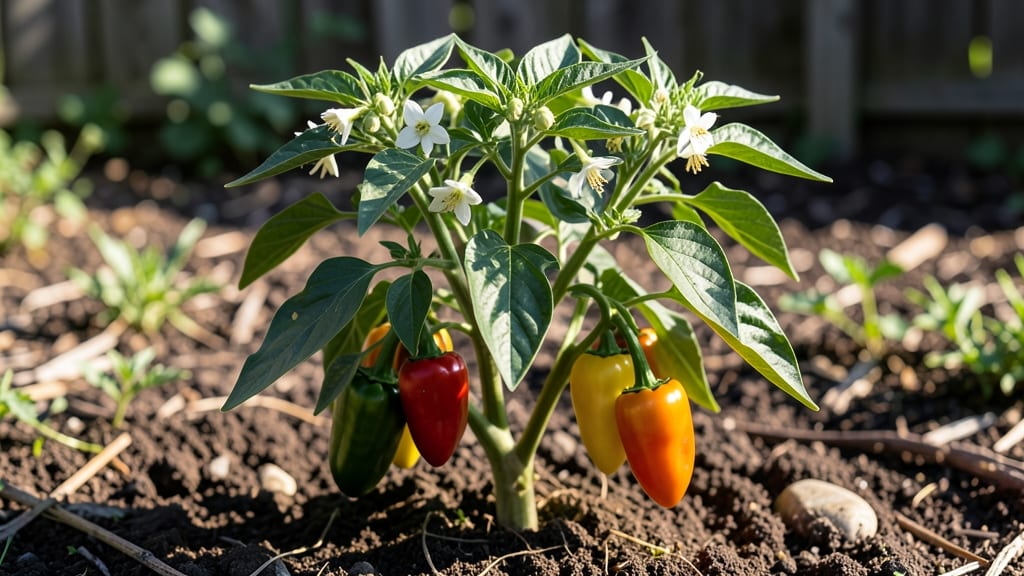
Pepper plants flower about 60 to 90 days after transplanting, depending on the variety and growing conditions—so if yours are still leafy and lanky, you might be missing a key trigger.
Picture this: you’ve nurtured your 🌶️ pepper seedlings for weeks, only to stare at a bush full of leaves and wonder, "Where are the flowers?" The answer isn’t just about time—it’s about daylight, temperature, and even the fertilizer you’re using.
Get these wrong, and your plants might never shift into bloom mode.
In this guide, I’ll break down the exact stages that signal flowering is near, the climate factors that force (or delay) blooms, and the simple tweaks—like adjusting fertilizer or pruning—that can jumpstart your peppers’ reproductive phase.
By the end, you’ll know not just when to expect flowers, but how to make sure they arrive on schedule—so you’re harvesting peppers instead of wondering where they went.
Key stages of pepper plant growth before flowering: what to watch for
Pepper plants follow a predictable growth pattern before flowering, and recognizing these developmental stages helps you anticipate when blooms will appear. From tiny seedlings to robust plants, each phase reveals critical clues about your plant's readiness to produce fruit.
Understanding these stages ensures you don't miss the optimal flowering window, which typically occurs 60–90 days after transplanting for most varieties.
First, your pepper seedlings will focus on establishing roots and leaves during the seedling stage (weeks 1–3). This phase is all about survival, with small, delicate leaves and minimal stem growth.
As your plants mature into the vegetative stage (weeks 4–6), you'll notice rapid leaf production and thicker stems—signs they're preparing for the next critical transition. The final pre-flowering stage (weeks 7–8) is where the magic happens, marked by leaf structure changes and node development that signal imminent blooms.
Here’s a quick reference to help you spot these stages:
| Stage | Key Signs | Timeframe | Action |
|---|---|---|---|
| Seedling | 2–4 true leaves, thin stems, slow growth | Weeks 1–3 | Provide gentle light, avoid overwatering |
| Vegetative | Rapid leaf growth, thicker stems, 6+ leaves | Weeks 4–6 | Reduce nitrogen, increase phosphorus |
| Pre-Flowering | Leaf nodes tighten, stems thicken, buds form | Weeks 7–8 | Monitor for pests, ensure 12+ daylight hours |
| Flowering | White/yellow flowers appear, stems harden | Weeks 8–12 | Support with stakes, reduce water slightly |
The leaf structure is your best friend during these stages. In the vegetative phase, leaves are broad and spaced evenly along the stem. But as your plant nears flowering, you’ll notice leaf nodes tightening and smaller leaves forming near the top.
This is your plant’s way of signaling it’s shifting energy from growth to reproduction. Pay close attention to the stem thickness too—thicker stems indicate stored energy reserves, which are crucial for supporting future flowers and fruit.
Light exposure plays a critical role in triggering flowering. Pepper plants need at least 6–8 hours of sunlight daily, but they’ll only start flowering when daylight drops below 12–14 hours—a phenomenon called photoperiodism. In short-day varieties (like many bell peppers), this shift naturally occurs in late summer.
However, if you’re growing indoors or in a controlled environment, you may need to supplement with grow lights to mimic seasonal changes. Without enough light, your plants will keep growing leaves instead of flowers.
Temperature also influences flowering timing. Ideal temperatures for pepper plants range between 65–85°F. Below 55°F, growth slows dramatically, and flowering may stall entirely. Conversely, temperatures above 90°F can cause flower drop, so shade cloth or afternoon watering may be necessary in hot climates.
If your plants are struggling to flower, check your local microclimate—urban areas can trap heat, while coastal regions may stay cooler longer.
One common mistake gardeners make is over-fertilizing with high-nitrogen fertilizers during the vegetative stage. While nitrogen promotes leafy growth, it delays flowering by keeping your plant focused on foliage.
Switch to a balanced or phosphorus-heavy fertilizer (like 5-10-10 or 10-20-10) once your plant shows signs of transitioning to the pre-flowering stage. You’ll know you’re on the right track when you see the first flower buds forming at the leaf nodes—usually within 1–2 weeks of making this switch.
Pruning can also speed up the flowering process by redirecting energy. Remove any suckers (small shoots growing from the leaf axils) and lower leaves to improve airflow and focus growth upward. This technique is especially useful for indeterminate varieties, which continue growing throughout the season.
Just be careful not to prune too aggressively—you want to maintain enough leaf surface to support photosynthesis while encouraging flowering.
Finally, keep an eye out for stress signs like yellowing leaves, wilting, or stunted growth. These can delay flowering by forcing your plant to divert energy to recovery. Ensure your peppers have well-draining soil and consistent moisture (but avoid soggy conditions).
Mulching around the base of your plants helps retain moisture and regulate soil temperature, creating an ideal environment for flowering.
By mastering these stages, you’ll not only predict when your peppers will flower but also troubleshoot delays before they become a problem. Next, we’ll dive into how climate triggers like temperature and daylight force flowering—and what to do if your plants are slow to bloom. 🌱
Climate and environmental triggers that force pepper plants to flower
Pepper plants are incredibly sensitive to their environment, and understanding the climate triggers that initiate flowering can mean the difference between a bountiful harvest and a disappointing one.
Unlike some plants that bloom based on age alone, peppers rely heavily on daylight hours, temperature ranges, and humidity levels to signal it's time to flower. If your plants are slow to produce buds, it might be time to adjust these key factors.
The most critical factor for pepper flowering is daylight exposure. Peppers are short-day plants, meaning they flower more readily when daylight hours drop below 12–14 hours.
In warmer climates, this natural shift happens as summer transitions to fall, but in controlled environments like greenhouses or indoor growing, you may need to intervene. Temperature also plays a pivotal role—peppers thrive when daytime temps stay between 65–85°F, while cooler nights (around 55–65°F) can further encourage blooming.
5 Key Triggers for Pepper Flowering
- 🌞 Daylight Threshold: Peppers need 12–14 hours of daylight to trigger flowering. Longer days (14+ hours) delay blooms, while shorter days (12 hours or less) signal it’s time to flower.
- 🌡️ Ideal Temperature: Daytime temps of 65–85°F and cooler nights (55–65°F) create the perfect balance for flower production. Extreme heat or cold can stunt blooming.
- 💧 Humidity Control: Moderate humidity (40–60%) supports healthy buds. Too much humidity can lead to fungal issues, while too little causes buds to drop.
- 🌱 Nutrient Shift: Over-fertilizing with nitrogen (common in leafy growth fertilizers) delays flowering. Switch to a phosphorus-rich fertilizer (e.g., 5-10-10 NPK) to encourage blooms.
- 🌬️ Airflow: Poor circulation can stress plants, causing buds to abort. Use fans to gently move air around plants, especially in greenhouses or crowded containers.
If your pepper plants are still leafy but not flowering, the issue might be over-fertilization with nitrogen. Nitrogen promotes lush foliage but suppresses flowering. To fix this, switch to a balanced or phosphorus-heavy fertilizer (like 10-20-10) and reduce applications to every 4–6 weeks.
Avoid fertilizing in the last 4–6 weeks of the growing season, as this can lead to late-season growth that won’t harden off before frost.
Another common mistake is ignoring temperature fluctuations. If your region experiences sudden heatwaves or cold snaps, pepper plants may pause flowering until conditions stabilize. In such cases, use row covers or shade cloth to protect plants from extreme heat, or move potted plants to a sheltered spot.
For indoor growers, maintain consistent temps with a grow light timer and a small space heater or AC unit if needed.
Humidity also plays a subtle but important role. While peppers prefer moderate humidity (40–60%), high humidity can lead to bud drop or fungal diseases like powdery mildew. Use a hygrometer to monitor levels and improve airflow with oscillating fans.
In dry climates, misting leaves lightly in the morning can help, but avoid wetting flowers or buds, as this invites pests and disease.
Finally, don’t overlook the variety-specific flowering timeline. Bell peppers typically flower 60–75 days after transplanting, while hot peppers like jalapeños or habaneros may take 70–90 days. If your plants are past this window and still haven’t flowered, consider replanting or adjusting your growing conditions for next season.
With the right triggers, your peppers will reward you with abundant blooms—and eventually, a delicious harvest! 🌶️