
Flowers
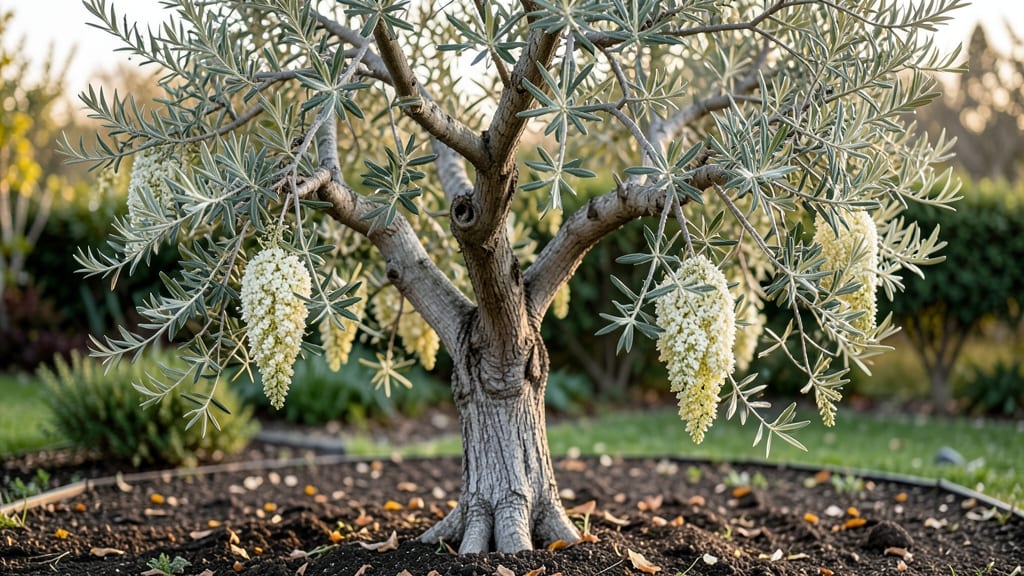
Olives flower in late spring to early summer 🫒, a window that can shift by weeks depending on your climate and the tree’s age.
If you’ve ever wondered why your olive tree isn’t producing fruit—or when to expect those delicate white blossoms—timing is everything. Olive flowering follows precise seasonal patterns, and knowing the right moment can transform your harvest potential.
In Mediterranean climates like California or Spain, most olive trees burst into bloom around May, but cooler zones or young trees may delay flowering until June. The key? Warm days and cool nights trigger those tiny white flowers that later turn into olives.
Below, I’ll break down how to spot flowering stages, which varieties bloom earliest, and simple tips—like pruning or soil prep—to encourage a bountiful harvest when the time comes.
Olive flowering seasons by Mediterranean climate zones
Understanding when olives flower is crucial for predicting harvests and optimizing care. In Mediterranean climates, flowering typically occurs in late winter to early spring, but exact timing varies by region and variety.
The warm coastal areas of Southern Europe and California often see blooms as early as January or February, while inland regions may delay until March or April. These differences are shaped by microclimates, temperature fluctuations, and even elevation changes.
For example, the Arbequina variety in Spain’s Andalusia region might flower in mid-February, while the same variety in Tuscany, Italy, could bloom two weeks later due to cooler nights.
In North Africa, like Morocco’s Souss-Massa region, flowering often aligns with March rains, a critical trigger for bloom initiation. Meanwhile, California’s Central Coast—home to Mission olives—typically sees flowering in late February to early March, influenced by coastal fog and mild temperatures.
Microclimates play a huge role in shifting bloom windows by just a few weeks. A sun-exposed slope in Provence, France, for instance, can push flowering into early February, while a valley in Greece might see delays until late March.
Even within a single olive grove, trees near the coast may flower earlier than those 10 miles inland. These variations mean gardeners must observe local patterns rather than rely on general seasonal guides.
Early-flowering varieties, like Arbequina or Koroneiki, often bloom in January or February and are better suited for warmer coastal zones. Late-flowering types, such as Frantoio or Leccino, typically bloom in March or April and thrive in cooler inland regions.
Choosing the right variety for your climate zone can mean the difference between reliable fruit set and failed harvests. For example, planting a late-blooming variety in a hot, dry microclimate risks heat stress during flowering, reducing pollination success.
Temperature is the single biggest factor influencing olive flowering. Trees require chilling hours (typically 300–500 hours below 45°F) to break dormancy, followed by warm days (60–70°F) to trigger blooms.
In Southern Spain, where winters are mild, some varieties may need artificial chilling or pruning adjustments to ensure proper flowering. Conversely, Northern Italy’s cooler zones often see delayed but synchronized blooms across entire groves due to uniform temperature rises in spring.
Rainfall also impacts flowering timing, particularly in drier Mediterranean regions. A wet winter can advance blooms by 2–3 weeks, while prolonged drought may delay or reduce flowering. In Tunisia or Algeria, where rainfall is scarce, irrigated olive trees often flower 1–2 weeks earlier than unirrigated ones.
Even soil moisture levels during late winter can shift bloom windows, making consistent watering a key strategy for gardeners in arid zones.
Here’s how three major Mediterranean regions compare in terms of olive flowering seasons, including the role of microclimates and variety selection:
In Southern Europe, the coastal vs. inland divide creates stark contrasts. For instance, Malaga, Spain, with its mild winters, often sees Arbequina olives flowering by mid-February, while
How to identify olive tree flowering stages and predict fruit set
Understanding your olive tree’s flowering stages is key to predicting fruit set and maximizing your harvest. These trees produce tiny, fragrant white blossoms that transform into olives, but the process depends on precise timing and environmental cues.
I’ll walk you through each stage—from pre-flowering to post-bloom—so you can recognize the signs and optimize conditions for success.
Olive trees typically enter pre-flowering in late winter, when new growth emerges and buds swell. This stage is critical because it sets the stage for bloom. If your tree isn’t showing signs of budding by February or March, it may need adjustments like pruning or fertilization.
Pay close attention to the leaf axils, where tiny buds form along the branches.
-
🌱
Pre-Flowering Stage
Late Winter (Jan–Feb) -
🌿
Bloom Stage
Early Spring (Mar–Apr) -
🫒
Post-Flowering Stage
Late Spring (Apr–May)
The bloom stage is the most visually striking, with clusters of small, white to pale green flowers appearing. This usually happens in March or April, depending on your climate zone. If you notice bees or other pollinators visiting your tree, that’s a great sign!
However, if blooms appear but fall off quickly, it could indicate stress from temperature swings or poor pollination.
After flowering, the post-bloom phase begins, where tiny olives form. This is when environmental factors like humidity and temperature become critical. If your area experiences drought or extreme heat during this time, fruit drop can occur.
To support fruit set, ensure your tree has well-draining soil and consistent moisture without waterlogging.
Predicting fruit set involves observing these stages and adjusting care accordingly. For example, if your tree blooms late, delay heavy pruning until after harvest to avoid stressing it during critical growth periods.
Also, consider the variety of olive tree you’re growing—some, like Arbequina, flower earlier than Kalamata, which can influence your timeline.
By recognizing these stages and responding to environmental triggers, you’ll improve your chances of a bountiful olive harvest. Keep an eye on your tree’s progress, and don’t hesitate to adjust care based on what you observe—your efforts will pay off in the fall! 🌳