
Blooming
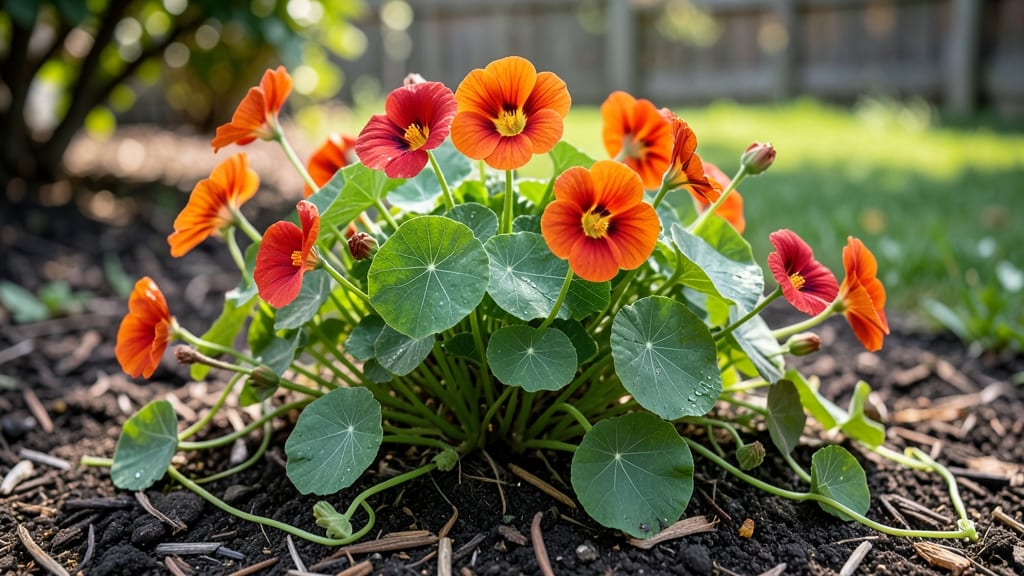
Nasturtiums flower when planted in early spring or late summer, typically 6-8 weeks after germination, with some varieties blooming even faster.
Picture this: you’ve just tucked those bright orange and yellow seeds into warm soil, dreaming of a garden bursting with color. But if you plant too late, you might miss the peak bloom season entirely.
The timing of your nasturtium’s first flowers depends on when you start them, your climate, and even the variety you choose.
In warmer zones like 6a, nasturtiums sown in March can flower as early as June, while those planted in late summer might not bloom until September. The key is understanding how to coax your plants into flowering sooner—or keep them blooming longer—without guessing.
Below, I’ll break down the exact timeline for nasturtium blooms by planting month, plus pro tips to extend their vibrant display all season long. No more waiting months for those cheerful 🌸 faces!
Nasturtium flowering timeline: month-by-month blooming schedule
Timing your nasturtium planting is everything if you want bright blooms by summer. These cheerful annuals typically flower 60-90 days after sowing, but the exact window depends on whether you plant in spring or fall.
In my USDA Zone 6a garden, spring-sown nasturtiums often burst into color by late June to early July, while fall plantings may bloom as late as September or October before frost. Understanding these timelines helps you plan for continuous color all season long.
Nasturtiums thrive in cool weather, which is why fall planting often yields earlier spring blooms than spring sowings. For example, seeds planted in late summer (August-September) may produce spring flowers as early as April—perfect for beating back winter blues.
Meanwhile, traditional spring plantings (March-May) deliver summer blooms that last until frost. The key is matching your planting strategy to your climate and desired bloom window.
Here’s how to predict your nasturtium’s bloom schedule based on planting time, including cold-hardy varieties that tolerate light frost and tropical types that need warmth to trigger flowering.
| Planting Month | Germination Time | First Blooms | Peak Blooming | Notes |
|---|---|---|---|---|
| March-April | 4-6 weeks | Late June | July-September | Spring planting for summer color; use cold-hardy varieties like 'Alaska'. |
| August-September | 3-5 weeks | April-May | May-June | Fall planting for early spring blooms; ideal for tropical varieties like 'Empress of India'. |
| May-June | 3-4 weeks | Late July | August-October | Late planting may delay blooms but extends season into fall. |
| October-November (Zone 7+) | 4-6 weeks | February-March | March-April | Winter sowing in mild climates for early spring color. |
For gardeners in cooler climates (Zones 3-5), focus on spring planting after last frost (typically April-May) to avoid frost damage. In these regions, nasturtiums often bloom from July through September, with some varieties like 'Dwarf Jewel Mix' producing flowers just 45 days after sowing.
The secret to early blooms? Start seeds indoors 4-6 weeks before last frost and transplant outdoors once soil reaches 50°F (10°C).
In warmer climates (Zones 8-10), nasturtiums can bloom nearly year-round if planted at the right times. Here, fall planting in September often yields winter or early spring flowers, while spring plantings in March deliver blooms by May or June.
Varieties like 'Peach Melba' thrive in heat and may continue flowering until first frost in late fall. To extend blooms, I always deadhead spent flowers and provide light afternoon shade during peak summer heat.
Cold-hardy nasturtium varieties, such as 'Alaska' and 'Bonanza Orange', tolerate light frosts and can even overwinter in mild climates. These types often bloom earlier than tropical varieties and may produce secondary flushes of flowers after pruning.
For tropical types like 'Empress of India', wait until soil is at least 60°F (15°C) before planting, or they’ll languish. In my experience, these varieties reward patience with larger, longer-lasting blooms once established.
Light also plays a critical role in bloom timing. Nasturtiums need full sun (6+ hours daily) to trigger flowering, but too much midday heat can stress plants in hot climates. I’ve found that partial afternoon shade in Zones 9-10 prevents bolting and extends the bloom season by 3-4 weeks.
For container growers, choose compact varieties like 'Tom Thumb', which bloom 50-60 days after sowing and thrive in 5-gallon pots with well-draining soil.
To maximize your nasturtium’s bloom potential, pair spring and fall plantings for a continuous color show. For example, sow half your seeds in March for summer blooms and half in September for early spring color. This strategy ensures your garden stays vibrant from
How to extend nasturtium blooms: pruning and care tips
Nasturtiums are fast-growing annuals that reward gardeners with bright, edible blooms from early summer through fall—but their flowering window can feel short if you don't intervene. The key to prolonged blooming lies in understanding their natural growth cycle and applying a few simple pruning and care techniques.
Unlike perennials, nasturtiums focus energy on producing seeds once they bloom, which signals the end of their flowering phase.
Most nasturtium varieties begin flowering 6-8 weeks after planting from seed, with peak blooms occurring in late summer if left unchecked. However, with regular deadheading and proper care, you can extend their bloom time by 4-6 weeks into early fall.
The secret? Tricking the plant into thinking it's still early in the season by removing spent flowers before they form seed pods.
Timing varies by variety:
- Early bloomers (e.g., 'Alaska'): 50-60 days from seed
- Standard varieties (e.g., 'Empress of India'): 60-75 days
- Trailing types (e.g., 'Black Velvet'): 70-80 days
Climate impact: Cooler regions (Zones 3-5) see earlier blooms (May-June), while warmer zones (Zones 7+) may bloom year-round if conditions are ideal.
Start by deadheading flowers daily during peak bloom season. Simply pinch off spent blooms with your fingers or use clean pruning shears to snip stems just above a leaf node. This redirects the plant's energy from seed production back to new flower buds.
For trailing varieties, focus on removing flowers from the outermost stems first to maintain their cascading habit.
Soil nutrition plays a crucial role in extending blooms. Nasturtiums thrive in poor to average soil, but adding a balanced fertilizer (5-10-10) every 4-6 weeks during the growing season encourages continuous flowering.
Avoid high-nitrogen fertilizers, which promote leafy growth at the expense of blooms. Instead, opt for a low-nitrogen, phosphorus-rich formula to support flower production.
Light requirements can't be overlooked either. While nasturtiums tolerate partial shade, they produce the most abundant blooms when given 6+ hours of direct sunlight daily. In hot climates, provide afternoon shade to prevent stress, which can shorten the flowering period.
If growing in containers, place them in the sunniest spot available and rotate pots weekly for even growth.
Don't forget about watering practices. Consistent moisture is key—water deeply once or twice weekly, allowing the top inch of soil to dry between waterings. Overwatering can lead to root rot, while underwatering causes stress that halts blooming.
Mulch around plants with straw or shredded leaves to retain moisture and regulate soil temperature, both of which contribute to longer-lasting flowers.
With these techniques, you can enjoy continuous nasturtium blooms from early summer well into fall. The effort pays off not only with extended color but also with edible flowers and leaves for your kitchen garden.
Experiment with different varieties—some, like 'Jewel Mix,' bloom prolifically with minimal care, while others may need a bit more attention to reach their full potential.