
Flowers
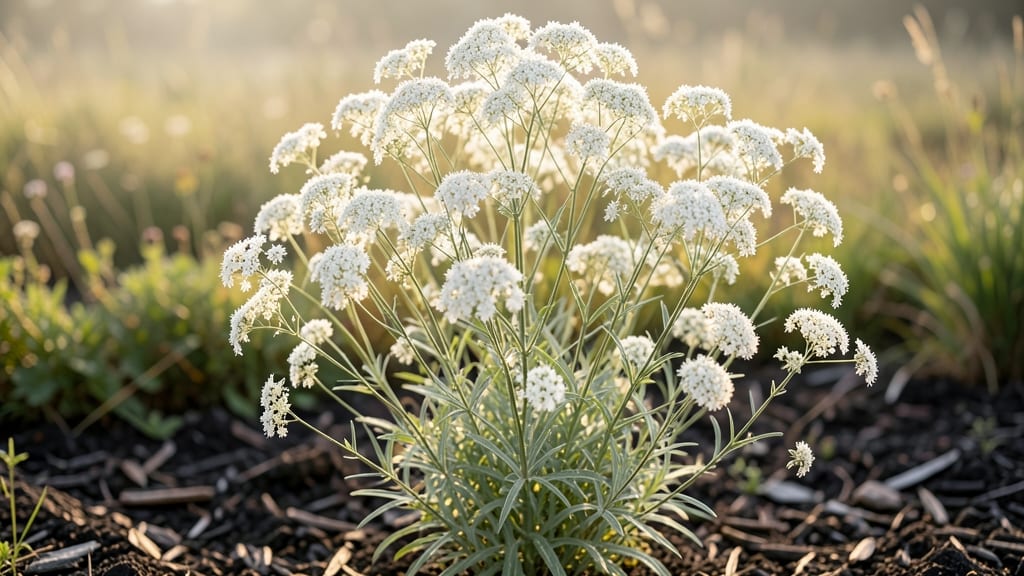
Gypsophila flowers bloom between late spring and summer, with timing that depends on your local frost dates and variety.
Picture this: you’ve spent weeks nurturing your delicate 🌸 baby’s breath, only to wonder why it’s not bursting into those signature fluffy clouds of white when you need it most.
The answer lies in understanding its natural bloom cycle—whether you’re growing annuals for a summer wedding or perennials for a long-lasting garden display.
Most gypsophila varieties start flowering 60 to 90 days after planting, but cooler climates can push that timeline back by weeks. In USDA Zone 6a, for example, expect blooms from early June through August, while warmer zones may see flowers as early as May.
The key? Planting at the right time—after your last frost—and providing full sun to encourage those lacy blooms.
In this guide, I’ll break down the exact months gypsophila flowers bloom based on your frost dates, plus care tips to extend its display. Whether you’re a wedding florist or a home gardener, you’ll learn how to time your plantings for the most stunning results.
Gypsophila bloom timing: exact months based on frost dates
Timing your gypsophila planting for peak blooms depends entirely on your USDA frost dates. Whether you're growing annual varieties for summer weddings or perennial types for garden borders, aligning planting with your local climate ensures those signature fluffy blooms appear exactly when you need them.
In milder zones like USDA Zone 8-10, gypsophila often blooms as early as March, while colder regions in Zone 3-5 may see flowers starting in June.
For most gardeners, the key is planting annual gypsophila 6-8 weeks before your last frost date.
This gives seeds time to germinate and establish before summer heat arrives. Perennial varieties, like Gypsophila paniculata, are even more forgiving—they'll bloom in their second year if planted in spring after the frost danger has passed.
The difference between annual and perennial timing can mean the difference between a June wedding bouquet and a July garden display.
Here’s how to match your planting to your climate zone for perfect bloom timing:
| USDA Zone | Last Frost Date | Planting Time | Bloom Period | Notes |
|---|---|---|---|---|
| 3-5 | Mid-April to early May | Late April to early May | Late June to August | Start seeds indoors in March for earlier blooms. |
| 6-7 | Early April to mid-April | Mid-April to early May | Early June to July | Direct sow after last frost for best results. |
| 8-9 | Mid-February to March | February to early March | March to May | Can bloom twice in mild winters. |
| 10-11 | January | January to February | February to April | Plant in fall for winter blooms. |
If you're growing annual gypsophila for cut flowers, aim for a June-July bloom window. This aligns perfectly with peak wedding season in many regions. For example, in Zone 6, planting seeds in late April ensures blooms by early June.
In contrast, perennial gypsophila like Gypsophila repens often blooms later, from July to September, making it ideal for late-summer garden displays.
Your local climate plays a huge role. In dry, hot climates (like Zone 9-10), gypsophila may bloom earlier to escape summer heat, while cooler, wetter zones (like Zone 4-5) often see delayed blooms until July.
To adjust, monitor your soil temperature—gypsophila seeds need soil that’s at least 55°F (13°C) to germinate. Use a soil thermometer to time your planting precisely.
For gardeners in Zone 5-7, a trick to extend blooms is to plant two batches of annual gypsophila: one in early spring (for June flowers) and another in late summer (for fall blooms).
This staggered approach ensures you have gypsophila blooms from June through September, perfect for continuous cut flower arrangements. Perennials, on the other hand, reward patience—they often produce their best blooms in their second or third year.
Don’t overlook light exposure as a timing factor. Gypsophila thrives in full sun (6+ hours daily), but in shadier climates, blooms may arrive 2-3 weeks later.
If your garden is partially shaded, consider Gypsophila elegans, a variety that tolerates morning sun and afternoon shade while still delivering timely blooms. Always pair your planting schedule with a sunlight audit of your garden to avoid disappointment.
Pro tip: Use mulch after planting to regulate soil temperature and retain moisture. A 2-inch layer of straw or pine needles keeps roots cool in hot zones and warm in cooler ones, helping gypsophila establish faster and bloom on schedule.
This simple step can shave 1-2 weeks off bloom time in extreme climates. Pair it with consistent watering (deep soaks every 3-5 days) to keep plants healthy until they flower.
Finally, remember that
How to extend gypsophila blooms: seasonal care tips for longer flowers
Once you’ve timed your gypsophila planting for ideal blooms, the next step is keeping those delicate flowers vibrant longer. I’ve learned through years of gardening that seasonal care makes all the difference—especially for annual varieties like Gypsophila elegans or perennial types like Gypsophila paniculata.
The key lies in deadheading, soil nutrition, and light management, all tailored to your local climate.
For example, in my Zone 6a garden, I’ve extended blooms by up to 4-6 weeks using these proven techniques.
Whether you’re growing gypsophila for cut flowers or garden borders, these strategies will help you enjoy those fluffy white clouds of blooms well into late summer—sometimes even early fall, depending on your variety.
- 1 Deadhead daily during peak bloom (June-August) to encourage new flower production. Use clean pruning shears and remove spent blooms at the base—this prevents seed formation and redirects energy to fresh growth.
- 2 Fertilize lightly every 4-6 weeks with a balanced 5-10-10 formula. Over-fertilizing leads to leafy growth over blooms, so I use half the recommended dose. Apply in early morning to avoid leaf burn.
- 3 Water deeply at the base of plants every 2-3 days in summer, avoiding wet foliage to prevent powdery mildew. I use a drip irrigation system to maintain consistent moisture without overhead spray.
- 4 Adjust light exposure for late-season blooms. If your gypsophila starts to brown or wilt in late summer, it may need partial shade (30-50% filter) to prevent heat stress. I use shade cloth in afternoons for varieties struggling in full sun.
- 5 Mulch heavily in early spring with 2-3 inches of organic mulch (straw or shredded leaves) to retain moisture and regulate soil temperature. This helps perennial gypsophila rebound faster after winter dormancy.
One of my biggest gypsophila mistakes was skipping deadheading—until I realized how quickly new blooms appeared after removing spent flowers. For annual varieties, I also stagger plantings every 2 weeks in spring to ensure continuous blooms from June through September.
This technique works especially well for cut flower arrangements, as you’ll always have fresh stems to harvest.
For perennial types, focus on soil health in late fall. Amend your garden beds with compost and a slow-release fertilizer to build up nutrients for next year’s blooms. I’ve found that well-draining soil with a pH of 6.0-7.0 keeps my gypsophila thriving year after year.
If you’re growing gypsophila for wedding bouquets, start deadheading 2 weeks before your event to maximize fresh blooms. Pair this with consistent watering and morning harvesting (cut stems early to prolong vase life).
With these care tips, you’ll have abundant, long-lasting blooms that steal the show—just like they do in my garden every summer! 🌸