
Planting
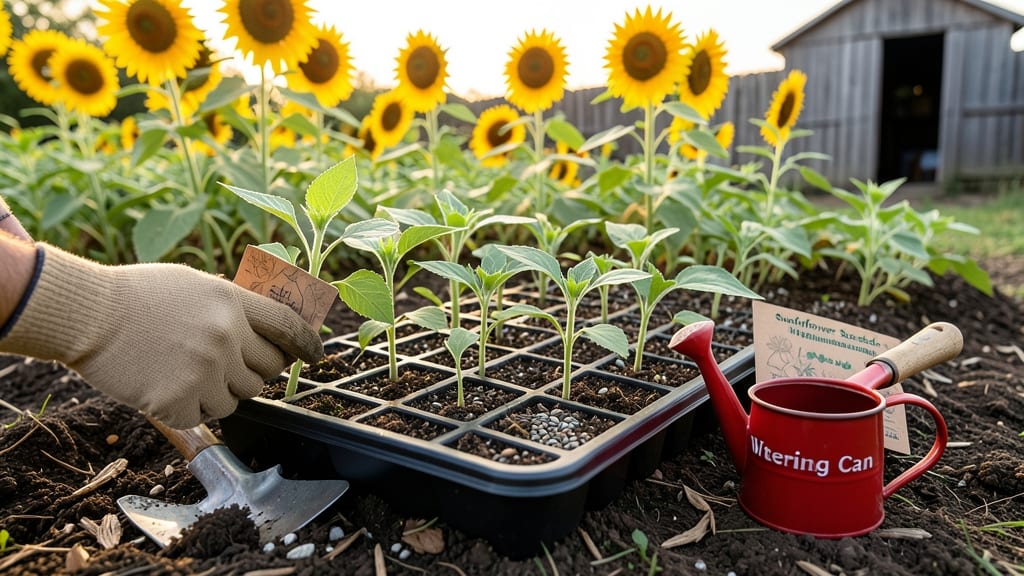
Planting sunflowers at the right time of year means the difference between towering blooms and a sad, stunted stem.
If you’ve ever watched a sunflower 🌻 struggle through cool soil or bolt too fast in summer heat, you know timing is everything. The key? Planting after your last frost—typically April to May in Zone 6a—when soil warms to at least 50°F.
But what if you’re in Texas or Alaska? The rules change, and I’ll show you how to adjust.
Sunflowers aren’t picky about seasons, but they do need warmth to sprout. In cooler zones, start seeds indoors 4–6 weeks before the last frost. In warmer climates, you can even sow in late summer for fall blooms—just be ready for a shorter growing window.
Below, I break down the zone-by-zone deadlines, soil tricks for faster growth, and how to stretch your planting window for a second harvest. Ready to grow sunflowers that reach for the sky?
USDA Zone-by-Zone sunflower planting deadlines for maximum growth
Sunflowers are fast-growing annuals that reward precise planting timing with taller stems and bigger blooms. But unlike heat-loving tomatoes, they handle a wide range of climates—from Zone 3’s short summers to Zone 11’s year-round warmth.
The key? Planting when soil temperatures hit 50–60°F and frost risk fades. In cooler zones, this means waiting for late spring; in warm zones, you might sow year-round with adjustments.
Why does timing matter so much? Sunflowers need 60–90 days to mature, and late frosts or extreme heat can stunt growth. For example, a Zone 5 sunflower planted too early may rot in cold soil, while a Zone 10 plant sown in winter could bolt prematurely.
Below, I’ll break down the exact planting windows by zone, plus how to adjust for microclimates like urban heat islands or sheltered garden beds.
Pro Tip: Use a soil thermometer—sunflowers won’t germinate well below 50°F. If your soil is too cold, wait or use black plastic mulch to warm it faster. In Zones 8–11, you can even plant year-round with succession sowings for continuous blooms.
| USDA Zone | Ideal Planting Window | Soil Temp Threshold | Frost-Free Deadline | Late-Summer Alternative |
|---|---|---|---|---|
| Zones 3–4 | Mid-May to early June | 50–60°F | May 15–June 1 | None (too short season) |
| Zones 5–6 | Late April to mid-May | 50–60°F | April 30–May 15 | Late July (dwarf varieties) |
| Zones 7–8 | Early April to early June | 55–65°F | March 15–April 15 | August (succession plant) |
| Zones 9–10 | Year-round (best: Sept–March) | 60–70°F | No frost risk | June–July (fall blooms) |
| Zone 11 | Year-round (avoid peak summer) | 65–75°F | None | September–October (winter harvest) |
In Zones 3–4, your window is tight—plant after May 15 to avoid late frosts that can kill seedlings. Use row covers if nights dip below 40°F. Meanwhile, Zone 10 gardeners can plant year-round, but avoid peak summer heat (above 85°F) to prevent bolting (premature flowering).
For Zones 5–8, aim for soil temps of 55°F+—use a soil thermometer or press your hand into the ground: if it feels warm but not hot, it’s ready.
Microclimates throw a wrench into these deadlines. A south-facing wall can warm soil 2–3 weeks earlier than open ground, while shaded beds may delay germination. Test your spot: Plant a few seeds in a protected area 1–2 weeks before your zone’s deadline.
If they sprout within 7–10 days, you’re good to go!
For a second harvest, try late-summer sowings in Zones 5–10. In Zone 7, plant dwarf varieties like ‘Teddy Bear’ in late July for fall color.
In Zones 9–11, sow giant varieties in September to overwinter—just mulch heavily to protect roots. The trade-off? Smaller blooms in cooler months, but extended season interest.
One common mistake? Planting too deep or too shallow. Sunflower seeds need 1 inch of depth—any deeper, and they won’t sprout; too shallow, and they dry out. Water lightly after planting to settle soil, then keep it moist (not soggy) until germination.
In drought-prone zones, mulch with straw to retain moisture.
Remember: Sunflowers are resilient, but timing maximizes their potential. Whether
How to time sunflower planting for fast growth: soil, spacing, and seed depth
Sunflowers grow fastest when planted in warm soil with consistent moisture—think of them as eager sprinters rather than marathon runners. The secret to speedy seedlings lies in soil temperature, seed depth, and spacing, all of which directly impact how quickly your plants shoot toward the sky.
In my Zone 6a garden, I’ve found that timing these factors just right can shave weeks off the growth cycle, giving me towering blooms by early summer.
Most gardeners focus only on planting dates, but the real magic happens below the surface. Sunflower seeds need soil temps between 50–60°F to sprout reliably, which is why I always check my soil thermometer before dropping seeds into the ground.
Cold soil slows germination, while soil that’s too hot can cause seeds to rot. Getting this balance right is the first step to fast growth.
- 1. Soil Temp Check: Wait until soil reaches 50–60°F (use a thermometer!). In cooler zones, this could mean planting as late as mid-May.
- 2. Seed Depth: Plant seeds only 1 inch deep—deeper planting delays germination. Think of it like tucking seeds into a cozy blanket, not burying them alive.
- 3. Spacing Matters: Start with 6 inches apart, then thin to 12–24 inches as plants grow. Crowded sunflowers compete for sunlight and nutrients, slowing growth.
- 4. Warmth Boosters: Use black plastic mulch or row covers to warm soil faster in early spring. I’ve seen germination speed up by 3–5 days with this trick!
- 5. Avoid Overwatering: Keep soil moist but not soggy—sunflowers hate wet feet. Overwatering stunts roots and attracts fungal diseases.
Proper spacing is often overlooked, but it’s critical for fast growth. When I first started growing sunflowers, I planted them too closely, thinking they’d grow faster together. Instead, they became leggy and weak, struggling to reach their full height.
Now, I space them 12–24 inches apart depending on the variety—dwarf types need less room, while giant varieties like ‘Mammoth’ require the full 24 inches to avoid shading each other.
Another game-changer for cooler climates is using black plastic mulch or row covers. In my Zone 5 garden, I’ve extended the planting window by 2–3 weeks using these tools. The mulch absorbs sunlight, warming the soil faster, while row covers protect young seedlings from late frosts.
For best results, lay down the mulch 1–2 weeks before planting to let it heat up the soil.
Common mistakes can turn your eager sunflowers into slowpokes. I’ve seen gardeners plant seeds too deep, thinking it’ll protect them from birds or pests. But sunflower seeds need light to germinate—burying them deeper than 1 inch delays sprouting by days or even weeks.
Another pitfall? Planting in cold, wet soil. If your soil is still damp from spring rains, wait until it warms up and drains better.
For fastest growth, pair your planting timing with a balanced fertilizer (like 10-10-10) applied at planting and again when seedlings are 4–6 inches tall. I also recommend watering deeply in the morning to reduce evaporation and fungal risks.
With these tips, you’ll see sunflowers shooting up 2–3 feet in just 4–6 weeks—a sight that never fails to impress!
Remember, sunflowers are resilient but not magic. Give them the right conditions, and they’ll reward you with rapid growth and stunning blooms. Whether you’re in a hot desert climate or a cool mountain zone, these timing tricks will help you grow sunflowers faster than ever before. Happy planting! 🌻