
Vegetables
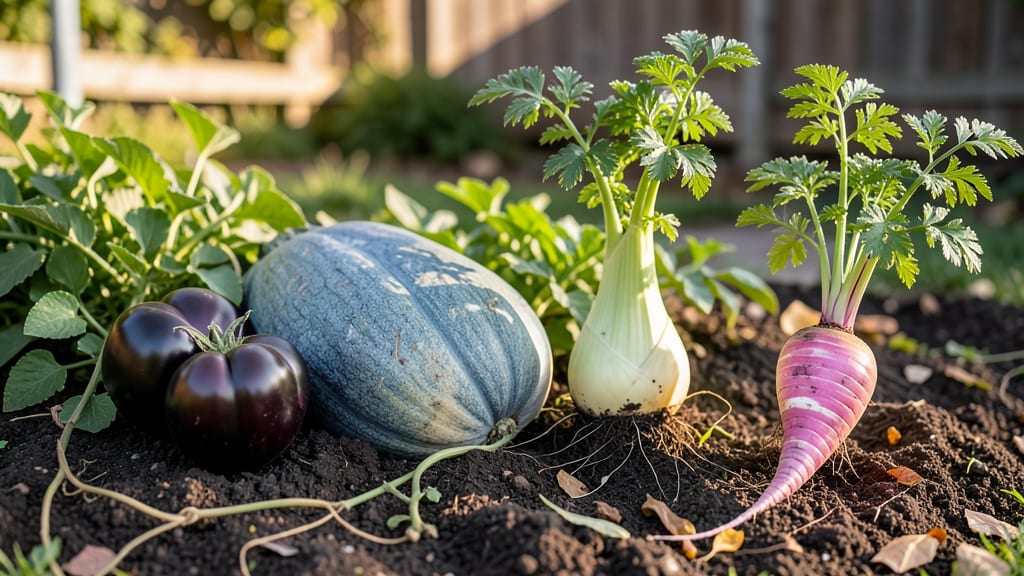
Your garden just got a lot more interesting. 🌱 These weirdest-looking vegetables—like purple sweet potatoes, dragon carrots, and ugli fruit—aren’t just oddities; they’re conversation starters that turn heads and taste great too.
I planted my first batch last spring, and the neighbors kept stopping by just to see what I was growing.
Most of these varieties grow just like their more common cousins, but with a twist. Dragon carrots twist like ribbons, purple sweet potatoes turn your soil (and your kitchen) a deep violet, and ugli fruit looks like a cross between a grapefruit and a tangerine.
The best part? They thrive in the same conditions as regular veggies, so you don’t need a greenhouse or special skills—just patience.
By mid-summer, your garden will be bursting with unexpected shapes and colors, and your harvest will include everything from spiral greens to jewel-toned tubers. These plants aren’t just pretty; they’re packed with flavor and nutrients, making them the ultimate edible landscaping upgrade.
Ready to grow something that’ll make your garden the talk of the neighborhood? Here’s how to source these unusual varieties and get them thriving in your space—no weird science required.
📚 In This Guide
- What you need
- Instructions
- Tips and common mistakes
- Wrapping up and next steps
What you need
- ● Seeds or seedlings of weird-looking veggies (e.g., Black Krim tomatoes, Dragon Carrots, Celestial Purple Cauliflower, Blue Jazz Berries, or Artichokes—check specialty seed suppliers!).
- ● Well-draining soil mix: 50% potting soil + 50% compost or coconut coir (for containers or raised beds).
- ● Containers or garden space: 5–10 gallon pots (for compact varieties like Peanut Plants or Mini Pumpkins).
- ● 6+ inches of soil depth (for root veggies like Ugli Fruit or Heirloom Beets).
- ● Organic fertilizer: Balanced (10-10-10) or veggie-specific (e.g., fish emulsion for nitrogen).
- ● Watering can or hose with a gentle spray nozzle (avoid soggy soil!).
- ● Gardening gloves (nitrile for durability, especially for prickly Artichokes or Giant Sunflowers).
- ● Pruners or small shears (for trimming odd-shaped leaves or harvesting Okinawan Sweet Potatoes).
- ○ pH testing kit (optional but helpful—most weird veggies thrive in 6.0–7.0 pH).
- ● Grow lights (LED, full-spectrum) if starting indoors or in low-light areas.
- ● Decorative labels (for tracking 1000-year-old Heirloom Eggplants or Rainbow Chard).
- ● Food processor or mandoline (for slicing Purple Sweet Potatoes or Black Radishes into edible art!).
- ● Photography setup (macro lens for capturing Crystal Lettuce or Fuzzy Melon up close!).
- ● Recipe books on heirloom or global veggies (e.g., Romanesco Broccoli or Japanese Daikon Radish).
How to grow the weirdest looking vegetables in your garden
These unusual edibles aren't just fun to grow—they'll turn heads at dinner too.
🌱 Step 1: Pick Your Plant and Prep the Soil
Start with one of these standout varieties: black Krim tomatoes (purple-black skin), celeriac (lumpy, gnarled roots), or heirloom squash like 'Turk's Turban' (swirled, turban-shaped). Each needs well-draining, nutrient-rich soil—amend garden beds with 2-3 inches of compost and work it in until the soil looks dark and crumbly.
I like to test soil moisture before planting: squeeze a handful—if it holds shape but isn't sticky, it's ready. These oddball veggies hate soggy roots, so raise beds or use containers if your soil drains poorly. Add a balanced fertilizer (like 10-10-10) at planting time for a nutrient boost.
☀️ Step 2: Plant in the Right Spot and Spacing
Most of these need full sun (6+ hours daily), but check your variety—celeriac tolerates partial shade better than tomatoes. Space plants 12-24 inches apart depending on the type; squash vines need the most room. I plant seeds ½ inch deep, then thin seedlings to the strongest one per spot when they're 2 inches tall. Overcrowding leads to weak, misshapen produce.
Here's the thing—these veggies often grow unpredictable shapes, so give them space to spread. Mark planting spots with sticks or labels to avoid accidentally disturbing roots later. If growing in containers, use at least 5-gallon pots for squash and 3-gallon pots for smaller varieties like celeriac.
💧 Step 3: Water Deeply and Consistently
Keep soil evenly moist but never soggy—these weird shapes develop when roots struggle. Water deeply 2-3 times per week (more in heatwaves) until top 2 inches feel dry. I use a soaker hose to avoid wetting leaves, which prevents fungal diseases that can deform growth.
Watch for uneven watering—it causes cracked tomatoes or lopsided squash. Mulch with 2-3 inches of straw to lock in moisture and keep roots cool. If leaves wilt during the day but perk up at night, your plant is thirsty—water immediately and increase frequency.
✂️ Step 4: Prune and Support for Better Shapes
Some varieties need help to grow their signature forms. Tomatoes benefit from pruning suckers (the shoots in leaf axils) to direct energy into fruit. For squash, gently shape vines with soft ties if they sprawl too much—this prevents misshapen fruit. Celeriac develops its gnarled shape naturally, but harvest early (around 120 days) for the best texture.
Real talk: these plants often grow lopsided or deformed if left unchecked. I stake tall varieties like 'Black Krim' tomatoes to prevent sprawling, and use cage supports for squash. Harvest when produce reaches full color and firmness—don't wait too long, or flavors suffer.
🌿 Step 5: Harvest and Enjoy the Oddities
Timing matters for these unusual veggies. Tomatoes ripen unevenly—pick them when they're fully colored but still slightly firm. Squash is ready when the skin can't be pierced with a fingernail. Celeriac's knobby roots are best when 3-4 inches wide. Handle carefully—these shapes aren't built for rough treatment!
Store harvested produce in a cool, dark place (like a root cellar or fridge) for 1-2 weeks. The weirdest part? These veggies often taste better than their ordinary counterparts. Black Krim tomatoes have a sweet, smoky flavor, and heirloom squash packs nutty depth. Serve them raw, roasted, or puréed—just don't skip the compliment about their looks!
Tips & tricks for growing unusual garden vegetables
These quirky plants reward patience—and a few extra tricks to coax their signature shapes.
Soil Secrets: The 2-3 inches of compost in Step 1 is non-negotiable for these oddballs. I like to add a handful of worm castings too—it gives their roots a nutrient boost without overfeeding. These plants thrive in loose, airy soil, so avoid compacting it when you work in the compost. Think "fluffy cake batter" texture, not dense clay.
Sunlight Strategy: Don't assume all these need full sun like Step 2 suggests. Celeriac, for example, can handle partial shade, but place it where it gets at least 4 hours of direct light. I've seen it grow lopsided in low-light spots—those gnarled roots need consistent light to develop properly. For tomatoes, rotate your plants every few days so all sides get equal sun exposure.
Watering Wisdom: The 2-3 times per week guideline in Step 3 works, but timing matters more than frequency. Water in the morning so leaves dry quickly, preventing fungal issues that can deform growth. I use a rain gauge to track moisture—when it reads 1 inch, that's my cue to water deeply. Uneven watering is the #1 cause of cracked tomatoes and misshapen squash.
Support System: Those cage supports for squash in Step 4 aren't just for show—they actually help shape the fruit. Gently weave vines through the cage as they grow to encourage upward growth. For tomatoes, I tie them to stakes every 3-4 inches as they grow taller. This prevents sprawling and helps those unusual fruits develop their signature forms.
Pro Tips for Weirdest Looking Vegetables
- These quirky plants reward patience—and a few extra tricks to coax their signature shapes.
- Soil Secrets: The 2-3 inches of compost in Step 1 is non-negotiable for these oddballs. I like to add a handful of wo...
- Sunlight Strategy: Don't assume all these need full sun like Step 2 suggests. Celeriac, for example, can handle parti...
Frequently asked questions
Got questions about these bizarre beauties? You’re not alone! Here are some of the most common queries about the weirdest-looking vegetables—and their answers.
Can I grow these vegetables at home?
Many of these oddball veggies can be grown at home, but success depends on your climate and patience. For example, artichokes thrive in cooler regions, while Romanesco broccoli loves full sun. Start with seeds or seedlings from a trusted nursery, and check planting zones for specifics. If you’re a beginner, try easier-to-grow varieties like celeriac or sunchokes first!
Are these vegetables safe to eat?
While their appearances might shock you, these veggies are 100% edible and often packed with nutrients. Always wash them thoroughly before cooking or eating raw. If you’re unsure about a specific variety, a quick online search or consultation with your local extension office can confirm safety. Pro tip: Taste-test small amounts if you’re curious—many have unique flavors!
Where can I buy weird-looking vegetables?
Farmers’ markets, specialty grocers, and online retailers (like Miette or Amazon Fresh) often carry these gems. Look for vendors who highlight "heirloom" or "unusual" produce. If local options are limited, try growing them yourself—many are surprisingly low-maintenance!
How do I store these vegetables to keep them fresh?
Storage varies by veggie, but most thrive in cool, dark, and humid conditions. For example:
- Jerusalem artichokes: Store in a paper bag in the fridge for up to 2 weeks.
- Romanesco broccoli: Wrap loosely in a damp towel and refrigerate for 5–7 days.
- Celeriac: Keep whole and unwashed in the crisper drawer for 3–4 weeks.
What’s the weirdest vegetable I should try first?
If you’re new to the world of oddball veggies, start with sunchokes (Jerusalem artichokes)—they’re easy to grow, nutty-tasting, and fun to dig up! Another great pick is Romanesco broccoli, with its fractal-like shape and mild, nutty flavor. Both are forgiving for beginners and add excitement to any meal.
Wrapping up and next steps
From ugly but delicious potatoes to the alien-like artichoke, the world of weird vegetables proves that nature’s creativity knows no bounds! 🌱✨ These unusual edibles aren’t just fun to look at—they’re packed with flavor, nutrition, and stories waiting to be discovered.
Whether you’re a gardener, foodie, or just curious, there’s no better time to explore what your plate (or garden) has been missing.
Ready to take the next step? Grab a few of these oddities at your local farmers’ market or grow them yourself—your taste buds (and Instagram feed) will thank you! 🛒🌿