
Vegetables
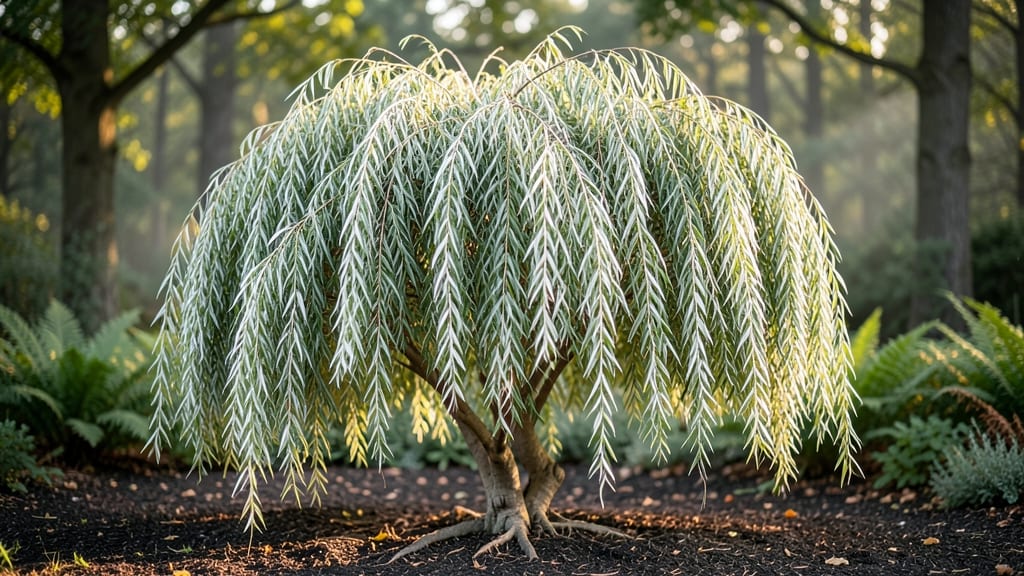
Your tri-color dappled willow keeps winter gardens alive with its stunning gold, pink, and green foliage even when everything else is brown. 🌿 Unlike most willows, this variety thrives in cold snaps, making it perfect for container gardens that need year-round color.
The secret to its winter charm? A little protection and smart pruning—no heavy-duty work required.
First, move containers to a sheltered spot (like against a north-facing wall) before hard freezes hit. Mulch the base with 3-4 inches of straw to insulate roots, and avoid overwatering—soil should stay barely moist.
Prune late winter (February-March) to shape the plant and remove dead wood, but hold off until new growth appears to preserve its vibrant hues.
What you’ll love most is how this willow retains its colors even under snow, creating a focal point when most gardens look dormant. With proper care, it’ll burst into fresh spring growth by April, often producing pinkish catkins that add another layer of interest.
The key is balancing protection without smothering the plant—think cozy, not suffocating.
Container-grown willows like this one also make easy spring dividers—just pop them into a large pot with drainage and a well-draining mix of 50% potting soil, 30% perlite, and 20% compost.
No fancy equipment needed, just a sunny spot and patience. It’s the kind of plant that rewards minimal effort with maximum winter wow factor.
📚 In This Guide
- What you need
- Instructions
- Tips and common mistakes
- Wrapping up and next steps
What you need
- ● Tri-color dappled willow plant (Salix integra 'Hakuro-Nishiki') – 1 mature specimen (3–5 years old) or 1–2 young plants (1–2 years old) for faster growth.
- ● Large, frost-resistant container – Minimum 18–24 inches in diameter and 20+ inches deep (deeper is better for root stability). Use a fabric-lined pot or plastic grow bag to prevent root circling.
- ● High-quality potting mix – 1 part peat moss or coconut coir, 1 part perlite or pumice, and 1 part garden soil (sterilized). For extra drainage, add 20% compost.
- ● Slow-release fertilizer – 5–10–5 NPK ratio (e.g., Osmocote or similar), mixed into the soil at planting time (1 cup per 5 gallons of soil).
- ● Gravel or landscape fabric – For container drainage layer (2–3 inches at the bottom).
- ○ Mulch (optional but recommended) – 2–3 inches of shredded bark or straw to insulate roots in winter.
- ● Garden trowel or spade – For planting and soil prep.
- ● Gloves – Heavy-duty gardening gloves to protect hands.
- ● Watering can or hose with gentle spray nozzle – For deep watering without disturbing roots.
- ● Pruning shears – For shaping and winter maintenance.
- ○ pH test kit (optional) – To check soil pH (ideal range: 6.0–7.0).
- ● Sunlight access – Full sun (6+ hours/day) or partial shade (4–6 hours) in winter (avoid harsh afternoon sun in hot climates).
- ● Cold-hardy location – Containers should be placed where temperatures won’t drop below -20°F (-29°C) without protection (use bubble wrap or frost cloth in extreme cold).
- ● Drainage plan – Ensure containers have drainage holes and are placed on elevated trays or saucers to prevent waterlogging.
Step-by-Step guide to growing tri-color dappled willow in containers through winter
This hardy shrub thrives in cold climates—here’s how to keep its striking foliage vibrant all season long.
🪴 Step 1: Select the Right Container and Drainage
Choose a large container—at least 18 inches deep and wide—to accommodate the willow’s expansive root system. I prefer unglazed ceramic or terracotta because they allow moisture to evaporate naturally, preventing root rot in winter’s damp conditions. Ensure the container has multiple drainage holes at the bottom; if not, drill them yourself. Place a 2-inch layer of gravel or broken pottery in the bottom to improve drainage and prevent soil compaction.
Here’s the thing—willows hate soggy roots. If your container lacks drainage, water will pool, and the roots will suffocate. Test your setup by filling the container with water: if it drains completely within 10 minutes, you’re good to go. If not, adjust the drainage layer or choose a different container.
🌱 Step 2: Prepare Frost-Resistant Soil and Plant
Fill the container with a well-draining potting mix—I blend 50% peat moss, 30% perlite, and 20% compost to ensure aeration and nutrient retention. Avoid garden soil; it compacts and retains too much moisture. Gently loosen the soil with your fingers to create a 12-inch deep planting hole—willows need room to establish strong roots.
When planting, place the willow’s root ball 1 inch deeper than it was in its nursery pot. This extra depth helps anchor the plant and protects it from temperature fluctuations. Water thoroughly after planting to settle the soil, but avoid overwatering—you’ll know it’s right when the surface feels damp but not soggy.
☀️ Step 3: Position for Winter Sun and Shelter
The tri-color dappled willow needs full sun (6+ hours daily) to maintain its vibrant foliage, but winter sunlight is less intense. Place the container in a south-facing spot where it gets morning sun and afternoon shade if temperatures drop below 20°F. If your winters are harsh, group containers together to create a microclimate that retains warmth.
Real talk: willows are tough, but they’ll still benefit from a breathable frost cloth on nights when temperatures dip below 15°F. Drape it loosely over the plant—don’t suffocate it—and remove it during the day to prevent mold. Watch for ice buildup on the cloth; if it forms, brush it off gently to avoid damaging the branches.
💧 Step 4: Adjust Watering for Winter Dormancy
In winter, willows enter dormancy and require far less water—about once every 2-3 weeks, depending on your climate. Stick your finger 2 inches into the soil; if it’s dry, water deeply until it drains from the bottom. Overwatering now leads to root rot, which is fatal. I use a watering can with a narrow spout to direct moisture straight to the roots without wetting the foliage.
Mulch the soil surface with 2-3 inches of shredded bark or straw to insulate roots and retain moisture. Just don’t pile it against the trunk—keep it 2 inches away to prevent rot. This layer acts like a blanket, protecting the plant from sudden temperature swings that can stress or even kill it.
✂️ Step 5: Prune and Prepare for Spring Growth
Late winter (around February) is the best time to prune your willow. Remove dead, damaged, or crossing branches with clean, sharp pruners, cutting just above a bud or lateral branch. Avoid heavy pruning—willows regenerate quickly, but aggressive cuts can weaken the plant. Shape lightly to encourage full, bushy growth for spring.
Here’s where it gets fun—watch for new growth in early spring. That’s your cue to fertilize lightly with a balanced, slow-release fertilizer (10-10-10). Apply it 2 inches away from the trunk and water it in thoroughly. The tri-color dappled willow will reward you with bold, variegated foliage that stays stunning year-round.
Tips & tricks for growing vibrant tri-color dappled willow in containers
These practical insights will help you nurture your willow's stunning foliage through even the harshest winters.
Container Material Matters: While terracotta is ideal for moisture evaporation, plastic containers can trap too much humidity in winter. If using plastic, add an extra inch of gravel to the drainage layer and consider drilling additional holes along the sides. The 10-minute drainage test from Step 1 becomes even more critical with plastic—if water pools longer than 15 minutes, your willow's roots will suffer. For extra insulation in freezing temperatures, wrap the container's exterior with bubble wrap during extreme cold snaps.
Soil Mix Precision: The 50-30-20 blend of peat moss, perlite, and compost creates the perfect balance, but don't be afraid to adjust slightly based on your climate. In particularly damp winter regions, increase perlite to 40% to prevent compaction. When creating the 12-inch planting hole in Step 2, use your fingers to break up any remaining soil clumps—willows despise air pockets that create dry zones around roots. For an extra boost, mix in 10% worm castings to improve nutrient availability during dormancy.
Winter Sun Optimization: The 6+ hours of daily sun requirement can be tricky when winter days are short. Position your container to capture reflected light from nearby surfaces—white walls or fences can effectively double your willow's light exposure. If you notice foliage losing its vibrant colors by late winter, supplement with a grow light for 2-3 hours daily. Remember the temperature thresholds from Step 3: when nights dip below 15°F, your frost cloth becomes essential—it's better to use it preventatively than wait for frost damage to appear.
Pruning Strategy for Winter Resilience: When pruning in February as directed, focus on removing branches that are thinner than a pencil—these are most vulnerable to winter dieback. Make your cuts just above an outward-facing bud to encourage bushier growth. For the tri-color variety, avoid heavy pruning of variegated branches, as they may not regrow with the same color intensity. After pruning, apply a thin layer of horticultural sealant to larger cuts to protect against winter winds and pathogens.
Pro Tips for Tri-Color Dappled Willow In Winter
- These practical insights will help you nurture your willow's stunning foliage through even the harshest winters.
- Container Material Matters: While terracotta is ideal for moisture evaporation, plastic containers can trap too much ...
- Soil Mix Precision: The 50-30-20 blend of peat moss, perlite, and compost creates the perfect balance, but don't be a...
Frequently asked questions
Got questions about keeping your tri-color dappled willow thriving in winter? Here are some of the most common ones—plus expert answers to keep your frost-resistant beauty looking its best year-round!
Can tri-color dappled willows survive harsh winter freezes?
This variety is bred for frost resistance, handling temperatures down to 10°F (-12°C) with ease. However, protect young plants (<1 year old) with a burlap wrap or move containers to a sheltered spot. Mulch the base with straw or bark to insulate roots.
Do I need to prune my willow in winter?
Winter is the ideal time to prune! Trim dead or crossing branches in late winter (before new growth starts). Avoid heavy pruning—just shape lightly to encourage vibrant spring foliage. Pro tip: Sterilize shears with rubbing alcohol to prevent disease.
What’s the best container size for winter planting?
Use a minimum 15-gallon container (18"+ deep) for stability and root health. Larger pots (20+ gallons) retain moisture better in freezing temps. Ensure drainage holes are present—willows hate soggy roots! Elevate containers slightly on bricks if your area floods.
Why are my willow’s leaves turning brown in winter?
Brown leaves are normal in winter—they’re conserving energy! If browning spreads to branches or occurs before dormancy (late fall), check for:
- Overwatering (reduce to once every 2–3 weeks in winter).
- Salt buildup (flush soil with water if using tap water).
- Fungal issues (remove affected branches and treat with neem oil).
Can I grow tri-color dappled willow indoors year-round?
While possible, it’s not ideal—these willows thrive on outdoor light and airflow. If you must bring it inside, place it near a south-facing window and supplement with 12–14 hours of grow lights daily. Expect slower growth and less vibrant foliage compared to outdoor plants.
Wrapping up and next steps
The tri-color dappled willow is a stunning, frost-resistant gem that brings year-round charm to containers—whether you’re a seasoned gardener or just starting out. Its vibrant hues and adaptability prove that winter beauty is always within reach, even in small spaces. 🌿❄️
Ready to transform your outdoor space? Start by choosing a sunny spot and gathering your supplies—then let your creativity grow! Whether you’re gifting a potted willow or treating yourself, this resilient plant is the perfect way to keep your green thumb thriving all season long.