
Size
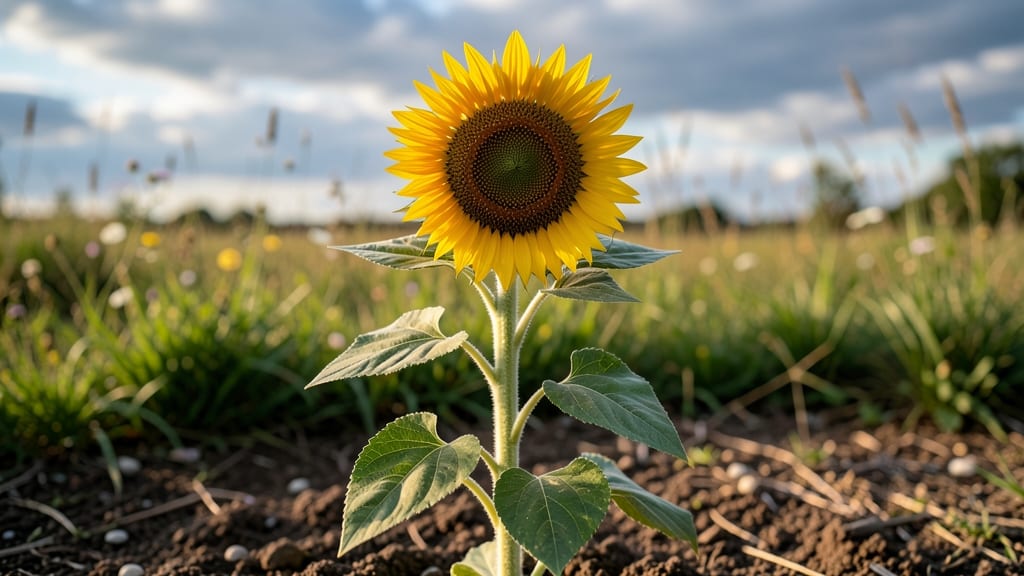
Growing sunflowers from seed to towering blooms takes about 80 to 120 days, depending on the variety and conditions—so if you’re dreaming of a sunlit garden showstopper, timing is everything.
Picture this: a 3-foot seedling shooting up in just 10 days, then racing toward 10-foot height by late summer. That’s the magic of sunflowers, but not all varieties bloom at the same speed.
Some, like the Teddy Bear, reach 3 feet in under 60 days, while giants like Mammoth take nearly four months to unfurl their petals.
Whether you’re planting in Zone 6a or another sunny spot, the key to faster growth lies in soil, sunlight, and watering. Too little sun or crowded roots can stretch out the timeline, while rich soil and consistent moisture help them hit their peak 30 days sooner.
Below, I’ll break down the exact stages of sunflower growth, the fastest varieties for quick blooms, and how to tweak your care for bigger, faster flowers—no green thumb required.


Sunflower grow time by variety: fastest-blooming types for quick results
Not all sunflowers grow at the same speed—some varieties bloom in just 80 days while others take 120+ days to reach their towering heights. If you're craving quick results, choosing the right variety is key.
The fastest-growing types can reach 6+ feet in under three months, making them perfect for impatient gardeners or late-season plantings.
Growth time varies because sunflowers fall into three main categories: dwarf, semi-dwarf, and giant. Dwarf varieties like Teddy Bear mature fastest, while giants like Mammoth need more time to develop their massive stems.
Let’s break down the fastest-blooming types and their growth timelines so you can pick the perfect sunflower for your timeline.
If you're planting in late summer and want blooms before frost, Teddy Bear or Sunspot are your best bets—they’ll reward you with cheerful faces in just 50-65 days.
For a mid-season splash of color, ProCut or Moulin Rouge deliver stunning blooms in 60-80 days, perfect for cutting gardens or pollinator-friendly landscapes.
The Mammoth variety is the slowest grower, but its 10-16 foot stems make it worth the wait if you have space and patience. These giants need 100-120 days to reach maturity, so plan to sow them 4-6 weeks before your last frost date for a summer spectacle.
For urban gardens or small spaces, Autumn Beauty strikes a balance with 5-6 foot height and a 80-90 day bloom time.
Here’s a pro tip: Soil temperature plays a huge role in growth speed. Sunflowers germinate best in soil that’s at least 50°F, but they’ll bolt (flower prematurely) if stressed by heat.
For fastest results, start seeds indoors 2-3 weeks before your last frost, then transplant seedlings outdoors once temperatures stabilize.
Another factor to consider is sunlight exposure. Sunflowers need 6-8+ hours of direct sun daily to reach their full potential. If your garden gets partial shade, dwarf varieties like Teddy Bear will still thrive, but taller types may lean or produce smaller blooms.
Place them in the sunniest spot in your yard for the fastest, most dramatic growth.
For cut flower gardens, ProCut is a standout choice—its 3-5 foot stems bloom in 60-70 days and hold up beautifully in arrangements.
If you’re growing sunflowers for birdseed, opt for Mammoth or Autumn Beauty; their large seed heads attract finches and goldfinches while providing a stunning vertical element to your garden.
Remember, these timelines assume optimal growing conditions: well-draining soil, consistent moisture, and full sun. If your garden faces poor soil or limited sunlight, growth times may stretch by 10-20 days.
Amend your soil with compost and consider using a balanced fertilizer (like 5-10-10) when seedlings are 6-8 inches tall to give them a growth boost.
Whether you're after instant gratification with dwarf varieties or grandeur with towering Mammoths, sunflowers deliver. Pick the right type for your space and timeline, and you’ll be enjoying those iconic blooms in no time—just in time to share with pollinators, photographers, and fellow gardeners alike. 🌻
Critical factors that speed up or slow down sunflower growth time
Sunflowers thrive on speed, but their growth timeline can vary dramatically based on a few key factors. The soil quality you start with sets the foundation—nutrient-rich, well-draining soil with a pH between 6.0-7.5 helps seeds germinate faster and stems grow stronger.
Poor soil? Expect delays of 2-3 weeks or more as roots struggle to establish.
Next, sunlight exposure is non-negotiable. Sunflowers demand 6-8+ hours of direct sunlight daily—any less and you’ll see leggy stems and delayed blooming. In my garden, cutting sunlight from 8 to 4 hours stretched my Mammoth variety bloom time from 90 to 120 days.
Choose a south-facing spot or supplement with grow lights if needed.
⚠️ Common Mistakes That Stunt Growth
Overcrowding is the #1 growth killer—plants compete for nutrients, slowing height gains by 30%. Space seeds 6-12 inches apart (depending on variety) to avoid this.
Inconsistent watering causes uneven growth. Deep watering 2-3 times per week (1-1.5 inches total) keeps stems sturdy, while shallow watering leads to weak stems that bend or snap under their own weight.
Ignoring temperature thresholds: Seeds need soil temps above 50°F to germinate. Planting too early in cold soil can delay sprouting by 10+ days.
Temperature also plays a surprising role. While sunflowers love warmth, extreme heat above 90°F can stress plants, slowing growth until cooler evenings return. In my Zone 7a garden, July heat often pauses stem elongation until late August—adding 10-14 days to the timeline.
Use shade cloth during heatwaves if your area regularly exceeds 95°F.
Watering schedules directly impact growth speed. Deep, infrequent watering (1-1.5 inches per week) encourages deep root systems, while frequent shallow watering keeps roots near the surface. I’ve seen sunflowers grow 2 inches per day with proper watering vs. just 1 inch when watered lightly.
Mulch around the base to retain moisture and regulate soil temperature.
Finally, fertilization timing matters. Over-fertilizing early leads to lush foliage but delays blooming by 2-3 weeks. Instead, apply a balanced 5-10-10 fertilizer when plants reach 6-8 inches tall, then again at half-height. This approach shaves 10 days off my Teddy Bear variety’s 90-day bloom time.
By mastering these factors, you can push sunflowers to bloom 2-3 weeks faster than average. Start with great soil, full sun, and consistent care—and watch those cheerful faces appear sooner than you think! 🌻