
Blooming
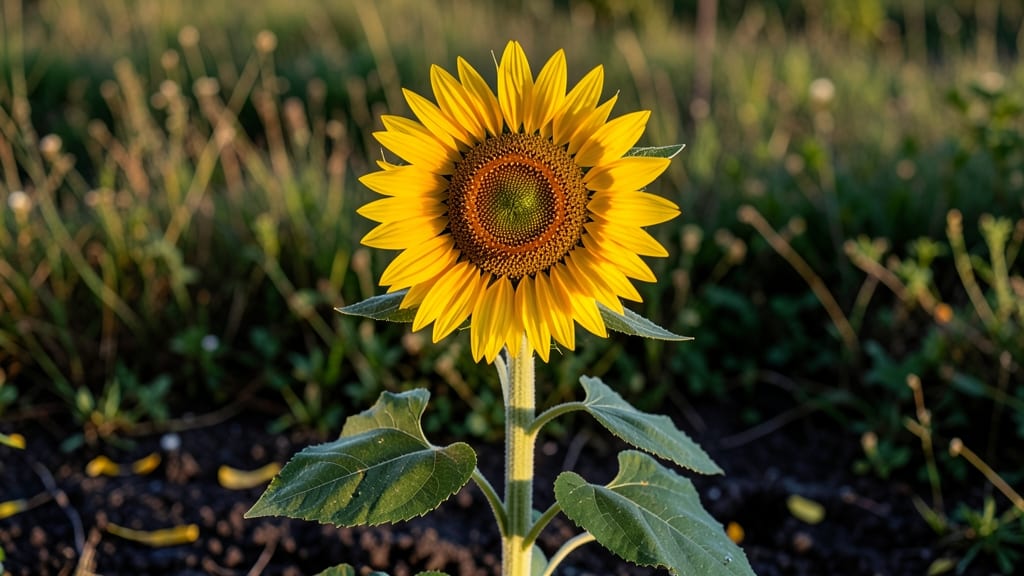
Sunflowers flower in 50 to 100 days after planting, but the exact timing depends on the variety and growing conditions you create.
Picture this: you’ve just tucked those bright yellow seeds into the soil in April, dreaming of towering 🌻 blooms by summer. Yet some varieties burst into color in just 60 days, while others take three months or more. That’s the beauty—and the challenge—of sunflower flowering time.
Whether you’re growing dwarf sunflowers for containers or giant varieties for cut flowers, knowing the right timeline helps you plan companion plants, adjust fertilizing, and even troubleshoot delays. The key? Matching your sunflower type to your climate zone and planting window.
Below, I break down the fastest and slowest bloomers, how to speed up or delay flowering, and the simple tricks that keep your garden in bloom from July through September.
Sunflower flowering time by variety: fastest to slowest bloomers
If you're eager to see those cheerful sunflower blooms light up your garden, timing is everything. The variety you choose determines how quickly you'll enjoy their vibrant faces. Some sunflowers burst into bloom in just 60 days, while others take nearly 120 days to reach their full glory.
Knowing these timelines helps you plan for continuous color and harvests throughout the season.
For gardeners in USDA Zone 6a, planting timing matters too—starting seeds indoors 2-3 weeks before your last frost can give you a head start. Whether you're growing dwarf varieties for containers or towering Mammoth sunflowers as focal points, each type has its own schedule.
Let's explore the fastest to slowest bloomers so you can pick the perfect sunflowers for your garden vision.
⚠️ PRO TIP: Always check your seed packet for exact days to maturity, as growing conditions can affect timing by up to 10-15 days. Cooler temperatures or poor soil can delay blooming.
If you're dreaming of early summer blooms, the Teddy Bear variety is your fastest option, delivering cheerful faces in just 55-60 days. These compact sunflowers are perfect for containers and small gardens where space is limited.
Their quick bloom time makes them ideal for cutting gardens too—you can enjoy fresh bouquets as early as late June in most climates.
For mid-season color, varieties like ProCut and Autumn Beauty shine. These sunflowers typically bloom between 60-75 days after planting, giving you vibrant displays from late June through August.
The Autumn Beauty series is particularly prized for its multicolored petals that transition beautifully as they age, adding visual interest to your garden.
If you're planning for late-season drama, the Mammoth and Russian Giant varieties deliver the wow factor. These towering sunflowers take 90-120 days to reach their full glory but reward you with 10-16 foot stalks that become stunning focal points.
Their extended bloom period often continues into September, providing late-season color when many other flowers have faded.
For gardeners who want to extend their bloom season, consider planting a mix of early, mid, and late varieties. This staggered approach ensures you'll have sunflowers in bloom from late June through September.
For example, you could plant Teddy Bears in early May for June blooms, followed by Autumn Beauty in late May for July-August color, and finish with Mammoths in early June for late-season height and drama.
One variety that often gets overlooked but deserves attention is the Moulin Rouge. With its striking red-and-yellow striped petals, it blooms in 70-75 days and adds a unique visual element to any garden.
These sunflowers are also excellent for cut flowers, lasting up to a week in a vase when harvested at the right stage.
When planning your sunflower garden, remember that soil temperature plays a crucial role in bloom timing. Sunflowers won't germinate well in cold soil—wait until the ground reaches at least 55°F (13°C) for best results. In cooler climates, consider using black
Factors that speed up or delay sunflower flowering time
Sunflowers are sun-worshippers, and their flowering time hinges on a few key factors you control. While some varieties bloom in 60 days, others take 100+ days—the difference often comes down to growing conditions. Understanding these variables lets you accelerate blooms or troubleshoot delays before they happen.
From soil temperature to watering consistency, each element plays a role in whether your sunflowers reach their full potential. For example, direct-sown seeds often flower faster than transplants because they establish deeper roots sooner. Meanwhile, over-fertilizing with nitrogen can delay blooms by encouraging leafy growth over flowers.
⚠️ Key Insight: Sunflowers need warm soil (60°F+) to germinate and grow rapidly. Cold soils slow everything down, including flowering. Here’s what else impacts your timeline:
🌱 Critical Factors for Sunflower Flowering Time
- 1 Sunlight Exposure: 6-8+ hours of direct sun daily is non-negotiable. Less light = delayed or smaller blooms. Shade-tolerant varieties exist but still bloom later.
- 2 Soil Temperature: Ideal germination starts at 60°F (15°C). Below 50°F (10°C), growth stalls. Use black plastic mulch to warm soil faster in cool climates.
- 3 Watering Consistency: Deep, infrequent watering (1-2x/week) encourages strong roots. Overwatering or drought stress both delay flowering. Mulch to retain moisture.
- 4 Fertilizer Types: Avoid high-nitrogen fertilizers (e.g., 10-0-0). Use balanced 5-10-10 or phosphorus-rich (e.g., 5-20-10) to boost blooms. Apply when plants are 6 inches tall.
- 5 Planting Method: Direct-sown seeds flower 10-15 days faster than transplants. Transplants experience root shock, slowing growth. If transplanting, harden off seedlings for 7-10 days first.
If your sunflowers aren’t blooming on schedule, start by checking their light exposure. Move pots to sunnier spots or thin crowded seedlings to reduce competition. For transplants, ensure roots aren’t circling—gentle root pruning at planting can help.
For slow bloomers, a light phosphorus boost (like bone meal) can trigger flowers. But avoid late-season fertilizing—sunflowers need 6-8 weeks of warm weather to set buds. If your area has short summers, choose early-maturing varieties like ‘Autumn Beauty’ (60 days) over ‘Mammoth’ (120 days).
Pro tip: Deadhead spent blooms to encourage secondary flowers on multi-bloom varieties like ‘Teddy Bear’. This won’t speed up initial flowering but extends your display. Pair sunflowers with fast-growing companions like bush beans to maximize space and sunlight.