
Advice
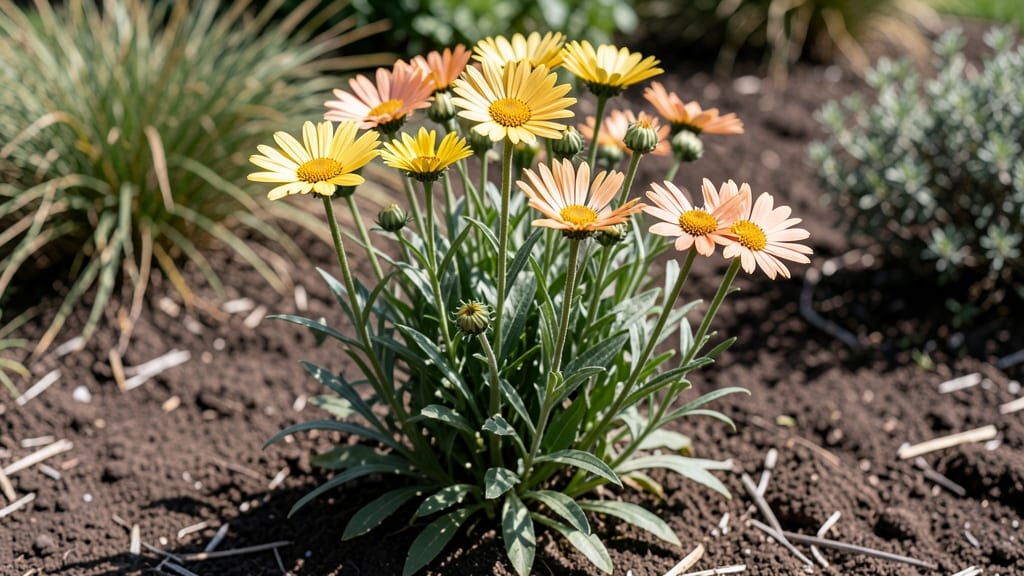
The strawflower days to maturity typically range from 90 to 150 days, depending on the variety and growing conditions, with most gardeners seeing vibrant 🌼 flowers between July and September when planted in spring.
If you're dreaming of vibrant, long-lasting strawflowers in your garden but wondering how long to wait, the answer depends on your variety and climate zone—getting it right means the difference between weeks of frustration and months of stunning blooms.
For example, fast-growing varieties like 'Limelight' may flower in as little as 90 days, while heirloom types can take up to 150 days to reach their peak. In cooler USDA Zone 6a, a longer growing season helps, but in warmer regions, heat can actually speed things up.
Below, I’ll break down exact timelines by variety, how to adjust for your climate, and 5 pro tips to ensure your strawflowers bloom faster without sacrificing beauty.
Strawflower days to maturity by popular variety: exact growth timelines
Planning your strawflower garden starts with knowing exactly when to expect those vibrant, papery blooms. While most varieties take 90-150 days to maturity, the timeline varies dramatically between early bloomers like 'Mojave' and late-season favorites like 'Orange'.
Understanding these differences helps you schedule plantings for continuous color—whether you're aiming for summer bouquets or fall arrangements.
Your climate zone also plays a crucial role. In USDA Zone 7, strawflowers often bloom 2-3 weeks earlier than in cooler Zone 5 areas. Meanwhile, southern zones (8-11) can push some varieties to flower up to 30 days faster with proper heat management.
Let's break down the exact timelines for your top strawflower varieties.
📋 Summary Table: Strawflower Days to Maturity by Variety
If you're planting 'Mojave' or 'Dwarf Lemon', you'll see blooms as early as late June in Zone 7, while 'Ruby' typically waits until early September. This variety spread creates a staggered blooming season that keeps your garden vibrant for months.
For Zone 5 gardeners, I recommend starting 'Mojave' indoors 6-8 weeks before your last frost date to ensure timely blooming.
Did you know 'Limelight' strawflowers often produce secondary blooms in fall? Their 100-110 day maturity window in Zone 7 means you might catch a second flush of flowers in October if you provide consistent care. This makes them perfect for extended-season gardens or cut-flower arrangements that last well into autumn.
For southern climates (Zones 8-11), strawflowers can mature 20-30 days faster due to longer daylight hours. In Zone 10, for example, 'Orange' strawflowers may bloom in just 80-90 days instead of the typical 110-120 days. However, heat stress
How climate Zones affect strawflower maturity: fastest growth regions vs. slow Zones
Your strawflower dreams can bloom faster—or slower—depending on where you live. In USDA Zone 10, these drought-loving flowers may reach maturity in just 80 days, while gardeners in Zone 5 might wait 120+ days for those signature papery blooms.
The difference? Temperature, daylight hours, and soil warmth all play starring roles in your strawflower's growth timeline.
If you're in a northern climate (Zones 5-7), cold starts can delay flowering by 3-4 weeks. But don't worry—with the right strategies, you can still enjoy vibrant blooms by midsummer.
Meanwhile, southern gardeners (Zones 8-11) often see faster growth, but extreme heat can stress plants if not managed properly. Let's break down how to optimize your strawflower's timeline no matter where you grow.
For Zone 5-7 gardeners, the key to faster strawflower maturity is starting seeds indoors 6-8 weeks before your last frost date. Use a heat mat to warm soil to 70°F+—this tricks roots into growing faster.
Once seedlings are 3 inches tall, harden them off and transplant after soil warms to 55°F. A black plastic mulch can add 5-10°F to soil temperature, accelerating growth by 2-3 weeks.
In Zones 8-11, strawflowers thrive with minimal fuss, but heat stress above 95°F can stunt growth. Provide afternoon shade cloth during peak summer months to prevent wilting. I've found that dwarf varieties like 'Limelight' handle southern heat better than tall types, maturing 10-15 days faster in these zones.
Always water deeply but infrequently—overwatering in heat leads to root rot and delayed blooming.
To accelerate blooming in short-season areas, try these three proven tricks:
- Use slow-release fertilizer at planting (5-10-10 ratio)
- Deadhead spent blooms to encourage continuous flowering 3.
Plant in raised beds—warmer soil speeds root development With these adjustments, even Zone 5 gardeners can enjoy strawflowers by early July instead of August.
Remember, strawflowers are drought-tolerant once established, but consistent moisture during root establishment (first 4-6 weeks) is critical. In my Zone 6 garden, I've cut maturity time by 20 days by using drip irrigation on a timer—no guesswork, just reliable water delivery. The result? Faster, healthier plants with bigger blooms.
No matter your zone, patience pays off. While southern gardeners get flowers faster, northern growers often enjoy longer vase life (thanks to cooler nights).
The secret? Match your variety to your climate—dwarf types for heat, tall varieties for cooler regions—and your strawflowers will reward you with months of color. 🌼