
Blooming
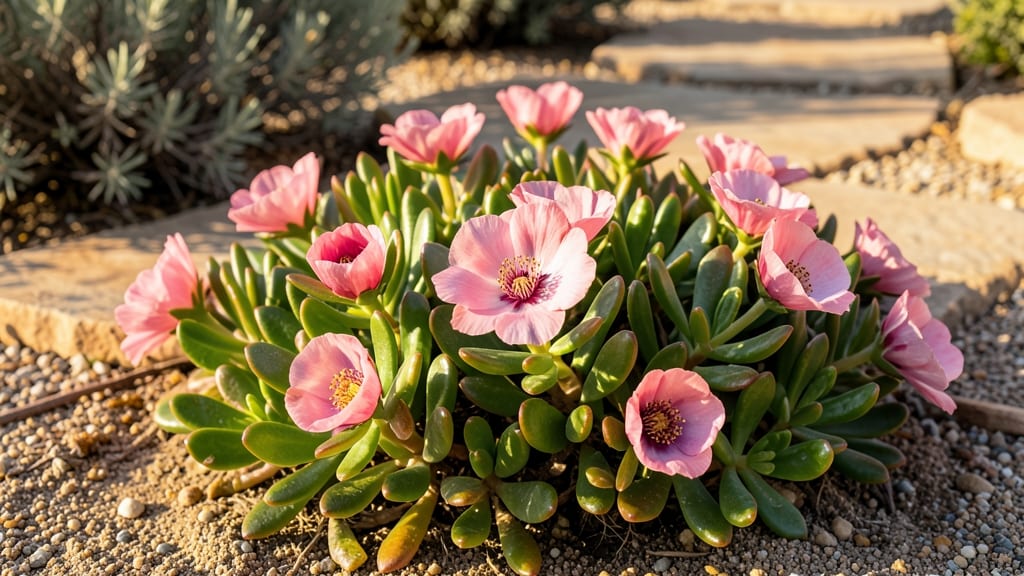
The portulaca flower season stretches from late spring through early fall, with peak blooms arriving in summer’s sun-soaked glory 🌸 — but timing varies wildly depending on where you live.
Picture this: your garden exploding with vibrant yellows, oranges, and pinks, as these hardy annuals thrive in heat and drought. Yet, in cooler zones, their season might shrink to just a few weeks unless you know the tricks to coax them along.
From Mediterranean coastlines to desert landscapes, portulaca loves the sun and the dry. Whether you’re spotting them wild or cultivating them in containers, understanding their climate needs is the key to a longer, showier display.
In this guide, I’ll break down the exact months to expect blooms, how to stretch their season, and the best companion plants to keep them shining all summer long.
Portulaca flower season: exact timing and climate conditions for peak blooms
Portulaca flowers, also known as moss roses, are summer's dazzling stars—but their peak bloom season depends heavily on your climate zone and temperature conditions. Unlike many flowers that fade in heat, portulaca thrives in scorching temperatures, making it a perfect choice for hot, dry summers.
Let's break down exactly when and where these sun-lovers shine brightest.
In most regions, portulaca's main bloom period stretches from late spring through early fall, with the heaviest flowering occurring in June and July. However, their drought tolerance allows them to keep blooming well into August and September in ideal conditions.
This makes them one of the most reliable summer flowers for gardeners in USDA zones 7-11.
📊 Key Seasonal Insights:
| Seasonal Stage | Bloom Timing | Ideal Temperature | USDA Zones | Climate Notes |
|---|---|---|---|---|
| Early Spring | Seed germination begins (Zones 9-11) | 60-70°F | 9-11 | Direct sow after last frost |
| Late Spring | First blooms appear (Zones 7-11) | 70-80°F | 7-11 | Needs consistent warmth |
| Summer Peak | Full bloom (June-August) | 80°F+ | All zones | Drought-tolerant; minimal water |
| Early Fall | Extended blooms (September-October) | 65-75°F | 7-11 | Deadhead for prolonged blooms |
| Winter | Dormant (Zones 7-9) | Below 50°F | 7-9 | Annual in cold zones |
If you're in USDA zones 9-11, you'll see portulaca blooming nearly year-round, with intermittent flowering even in cooler months. In zone 7, they're typically annuals that bloom from late May through October, while zone 8 gardeners enjoy a longer season from April to November.
The key to their success? Heat and full sun—they'll even bloom in desert climates where other flowers wilt.
Portulaca's drought tolerance is one of its superpowers. Unlike many summer flowers, they don't need frequent watering. In fact, overwatering can stunt their blooms. Once established, they'll thrive with just 1-2 inches of water per week, making them perfect for xeric landscapes and low-maintenance gardens.
This trait also extends their bloom season—while other flowers fade in August heat, portulaca keeps shining.
For gardeners in cooler coastal areas (like zone 7), you can push their season further by planting in south-facing beds or containers near heat-reflective surfaces. A black container absorbs heat and can help trigger earlier blooms.
In container gardens, portulaca often blooms 2-3 weeks earlier than in-ground plants because the soil warms faster in pots.
One common misconception is that portulaca only blooms in summer's peak. But with proper care, you can enjoy their vibrant colors from spring to fall. The secret? Deadheading spent blo
Best locations to find portulaca flowers in nature and gardens
If you're hunting for portulaca flowers, start with their natural habitats—Mediterranean coastlines and desert landscapes are prime spots. Wild portulaca thrives in arid, sunny conditions, often carpeting rocky slopes and sandy beaches with its vibrant blooms.
These areas mimic the well-draining, nutrient-poor soils portulaca loves, making them ideal for spotting nature's versions of these heat-loving beauties.
In cultivated gardens, urban container gardens and rooftop terraces are hotspots for portulaca. Their compact size and drought tolerance make them perfect for small spaces, even in USDA zones 7-11.
Many gardeners plant them in hanging baskets or window boxes to create cascading displays of pink, yellow, and orange blooms that last all summer.
Comparison of Portulaca Locations
| Location | Sunlight Needs | Soil Type | Companion Plants |
|---|---|---|---|
| Mediterranean Coastlines | Full sun (8+ hours) | Sandy, well-draining | Lavender, thyme, rosemary |
| Desert Landscapes | Full sun (6+ hours) | Gritty, rocky soil | Cacti, succulents, agave |
| Urban Containers | Full sun (6+ hours) | Potting mix + perlite | Petunias, marigolds, basil |
| Rooftop Terraces | Full sun (8+ hours) | Lightweight, fast-draining | Zinnias, snapdragons, nasturtiums |
To recreate these ideal conditions in your garden, prioritize full sun exposure—portulaca flowers need at least 6 hours of direct sunlight daily. Their succulent leaves store water, so well-draining soil is critical.
Amend heavy soils with coarse sand or gravel to prevent root rot, especially in container gardens where drainage is key.
For companion plants, pair portulaca with drought-tolerant varieties like lavender or succulents to create a low-maintenance, sun-loving garden. In containers, mix them with trailing plants like petunias or nasturtiums to fill out space and extend the flowering season.
Avoid planting with water-loving plants, as portulaca despises soggy roots.
If you're traveling, seek out Mediterranean coastal gardens or desert botanical parks—these are the best places to see wild portulaca in its natural glory. Even a quick trip to a local nursery specializing in succulents will likely yield portulaca varieties ready to brighten your own summer garden.
With the right location and care, your portulaca flowers will reward you with non-stop blooms from early summer until the first frost. Their adaptability and vibrant colors make them a must-have for any sunny garden spot! 🌸☀️