
Blooming
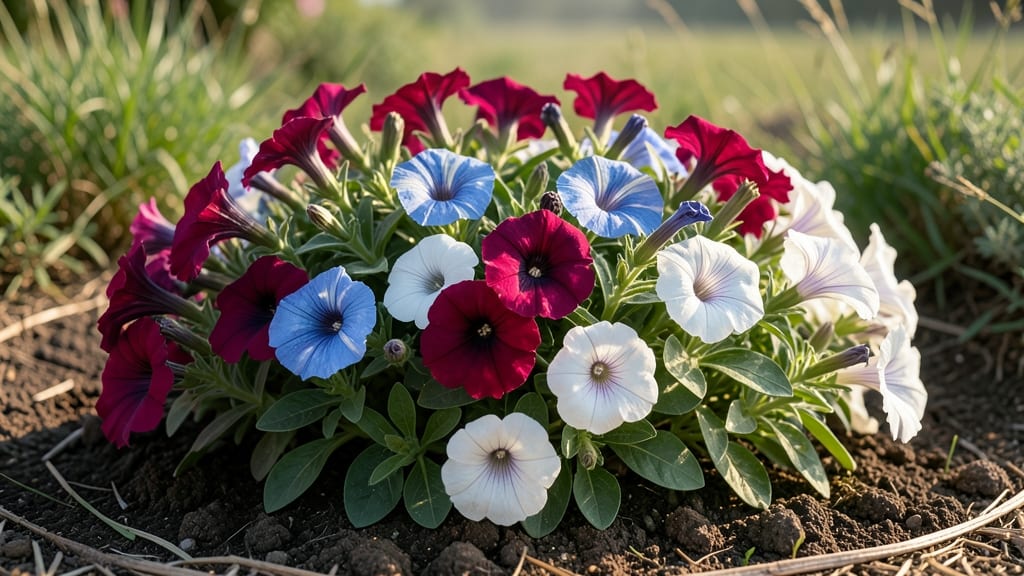
Petunias bloom most vibrantly during the flowering season from June through October in USDA Zone 6a, but the exact timing depends on when you plant them after your last frost.
If you’ve ever planted petunias only to watch their vibrant blooms fade too soon, understanding their ideal flowering season by climate zone could transform your garden from seasonal bursts of color to months-long displays.
These 🌸 bright beauties thrive with full sun and consistent care, but heat waves or skipped deadheading can cut their show short. The key to longer blooms? Planting at the right time, feeding them properly, and knowing which varieties hold up best in your zone.
Below, I’ll break down the best planting windows, how to stretch their season, and which petunia types deliver the most reliable color from spring through fall.
Petunia flowering season by USDA hardiness zones: when to plant for maximum blooms
Petunias are sun-loving annuals that thrive in warm weather, but their flowering windows vary dramatically across USDA hardiness zones. In cooler zones like 3-5, you’ll get shorter bloom seasons, while zones 8-11 can enjoy year-round color with the right care.
Understanding your zone’s last frost dates and heat tolerance is key to unlocking petunias’ full potential.
For example, gardeners in zone 7 often see blooms from May through October, while those in zone 10 can plant petunias in fall or winter for spring blooms. Frost-sensitive varieties like 'Wave' petunias need special attention in transitional zones, where unexpected cold snaps can cut flowering short.
Here’s your zone-by-zone guide to petunia flowering seasons, including planting windows and seasonal adjustments to maximize blooms.
| USDA Zone | Planting Window | Flowering Season | Key Notes |
|---|---|---|---|
| 3-4 | Late May - Early June | July - September | Short season; use heat-tolerant varieties like 'Mitchell' series. Start indoors early. |
| 5-6 | Early May - Mid-May | June - October | Classic summer blooms. Protect from late frosts with row covers. |
| 7-8 | April - Early May | May - November | Longest season; succession plant every 4-6 weeks for continuous color. |
| 9-10 | September - October (fall) or February (spring) | Fall: Oct-Dec | Spring: Feb-April | Year-round blooms possible with shade cloth in summer heat. |
| 11 | Year-round (with adjustments) | Continuous (with care) | Plant trailing varieties in hanging baskets for 365-day color. |
In zones 3-5, petunias are short-season plants, so choose compact varieties like 'Supertunia' series that bloom prolifically in limited time. I’ve found that starting seeds indoors 8-10 weeks before the last frost gives them a head start.
For zones 6-8, aim to plant after May 15th to avoid late spring frosts that can damage tender leaves.
Gardeners in zones 9-11 have the advantage of extended seasons. In my zone 10 garden, I plant fall petunias in September for winter blooms (they handle mild winters well).
For summer heat, provide afternoon shade and increase watering to daily to prevent wilting. Trailing petunias like 'Tumbling Waters' thrive in hanging baskets and spill over edges for continuous cascades of color.
One critical mistake I see in cooler zones is planting too early. Cold soil slows root growth, and chilly nights can stunt flowering. Always wait until soil temperatures reach 55°F (13°C)—use a soil thermometer if unsure.
In heat-prone zones 9-11, mulch heavily to retain moisture and avoid overhead watering to prevent powdery mildew, a fungal disease that shortens bloom cycles.
For year-round blooms in mild climates, I recommend layering varieties. Plant early bloomers like 'Easy Wave Red' in spring, then add heat-tolerant 'Supertunia Vista Bubblegum'
How to extend petunia flowering season with proven gardening hacks
Petunias are famous for their bold, long-lasting blooms, but many gardeners struggle with short-lived color due to improper care. The secret to prolonged flowering lies in simple yet effective gardening hacks that keep your petunias thriving from spring through fall.
With the right techniques, you can transform a few weeks of blooms into months of vibrant color.
One of the biggest mistakes is neglecting deadheading or overlooking soil health. Petunias respond dramatically to consistent care, especially in hot summer months when blooms can fade quickly.
By focusing on watering routines, nutrient-rich soil, and pest prevention, you’ll create the perfect conditions for non-stop flowering. Let’s dive into the proven strategies that work every season.
🌸 5 Proven Hacks to Extend Petunia Blooms
- Deadhead daily – Remove spent blooms with clean scissors to redirect energy to new flowers. This simple step can double your blooming time!
- Feed with phosphorus – Use a 5-10-10 fertilizer every 4-6 weeks to boost flower production. Phosphorus is the key to longer-lasting blooms.
- Water at the base – Avoid wetting leaves to prevent fungal diseases like powdery mildew. Morning watering ensures blooms stay dry and vibrant.
- Mulch heavily – Apply 2-3 inches of mulch to retain moisture and regulate soil temperature. This keeps roots cool and extends blooming season by weeks.
- Plant with marigolds – Companion planting with marigolds or basil deters pests like aphids and spider mites, which shorten flowering cycles.
Another game-changer is pruning leggy stems to encourage bushier growth. When petunias stretch too tall, they produce fewer blooms and become less compact. Simply pinch back the top sets of leaves to promote fuller, flower-packed plants.
This trick works especially well for trailing varieties, keeping them lush and overflowing with color.
Don’t overlook the power of light exposure either. Petunias thrive in full sun (6+ hours daily), but in hot climates, afternoon shade can prevent heat stress that causes blooms to drop. A lightweight shade cloth during peak hours can make a huge difference in bloom longevity.
With these simple yet powerful techniques, your petunias will reward you with months of non-stop color instead of fleeting bursts. Start with just one or two hacks this season, and watch your garden transform into a petunia paradise! 🌺