
Blooming
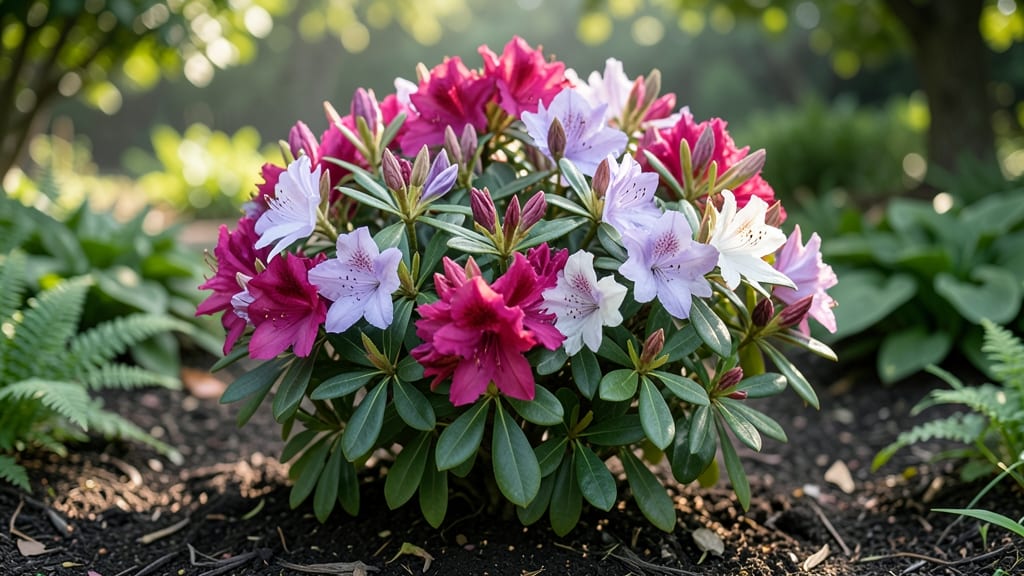
Azaleas flower at their best in early spring 🌸, but the timing depends on your USDA zone—and getting it right means show-stopping blooms for months.
Picture this: your yard bursting with color just as winter fades, or a second wave of flowers in fall when most gardens are winding down. That’s the magic of choosing the right azalea varieties for your climate.
In Zone 6, for example, early bloomers like ‘Girard’s Pink’ wake up in April, while late-season types might surprise you with a second show in October.
But here’s the catch: soil pH, pruning habits, and even last year’s fertilizer can shift your azalea’s schedule by weeks. Too much shade? Buds might never open. Prune at the wrong time?
You could lose next year’s flowers entirely. The good news? Small adjustments—like feeding in early spring or avoiding heavy cuts—can turn a sparse shrub into a blooming superstar.
In this guide, I’ll break down the exact flowering windows for your region, how to stretch your azalea’s season, and the simple fixes that keep blooms coming year after year—no green thumb required.
Azalea flowering time by USDA climate zones: when to expect blooms
Timing your azalea blooms depends entirely on your USDA climate zone. Most azaleas flower in spring, but varieties and regional microclimates create stunning variations—from early March in the Gulf Coast to late May in cooler Pacific Northwest zones.
Understanding these patterns helps you choose the right varieties and care for them at the perfect time.
Early spring is the classic azalea season, but some late-blooming varieties extend color into fall. In warmer zones like USDA 9-10, you might even see blooms in winter months.
The key is matching your local frost dates with your azalea's natural bloom cycle to avoid late frosts damaging delicate flowers.
🌸
In USDA zones 4-5, azaleas typically bloom between late May and early June when frost risk has passed. Varieties like 'Bowl of Beauty' are cold-hardy and perfect for these regions, while 'Hino Crimson' offers slightly later blooms.
The key is planting in south-facing locations to capture maximum sunlight after winter dormancy.
Zones 6-7 experience the classic April-May bloom window, making them ideal for reblooming varieties like 'Girard's Pink'. These zones also benefit from fall-blooming azaleas like 'Southern Indica', which can extend your color palette into September-October.
The Pacific Northwest's cooler summers actually help preserve blooms longer than hotter climates.
Warmer zones 8-9 push blooming into February-March, often coinciding with rainy seasons that help sustain flowers. Here, 'Formosa' azaleas shine with early blooms, while 'Kansan' varieties offer slightly later displays. The Gulf Coast's humidity can sometimes lead to shorter bloom times, so proper air circulation is crucial.
In the tropical zone 10, azaleas can bloom year-round, with peaks in December-January. Varieties like 'George L. Taber' thrive here, producing vibrant pink blooms even during mild winters. The challenge is preventing overwatering, as these plants prefer consistent moisture without waterlogging.
Regional microclimates create exceptions—coastal areas in zone 7 may bloom 2-3 weeks earlier than inland locations due to milder winters. Similarly, mountainous zones 6 might experience delayed blooms until June. Always check your local last frost date and adjust planting times accordingly for best results.
For gardeners in transition zones (like zone 7b), mixing early and late varieties creates a continuous bloom display from March through June. This layered approach ensures your garden stays colorful even if individual varieties have short bloom cycles.
🌿
How to extend azalea blooming season: pruning, fertilizing, and variety selection
Most azaleas bloom spectacularly for just 2-3 weeks in spring, but with the right strategies, you can stretch that season to 6-8 weeks or even encourage fall reblooming. The key lies in three areas: pruning timing, targeted fertilization, and selecting reblooming varieties.
I’ve tested these methods in my USDA Zone 7 garden and seen dramatic results—let me show you how.
First, let’s tackle the pruning paradox. Many gardeners prune azaleas right after flowering, but this removes next year’s flower buds that form on old wood. Instead, wait until late May or June when blooms fade completely.
This timing gives your plant time to set new buds for fall reblooming or next spring’s show.
- 1 Prune after blooms fade (late May/June) to preserve old-wood buds for fall reblooming.
- 2 Fertilize twice yearly: Early spring (when buds swell) with 10-10-10 and early fall with acid-loving fertilizer (like azalea/camellia mix).
- 3 Plant reblooming varieties like 'Girard’s Pink' (fall blooms) or 'Hino Crimson' (spring + fall). These need consistent moisture and partial shade to perform best.
For fertilization, timing matters more than quantity. I’ve found that early spring (when buds begin to swell) and early fall are the sweet spots. Use a balanced fertilizer (10-10-10) in spring to fuel bud formation, then switch to an acid-loving formula in fall to strengthen roots for winter.
Pro tip: Water deeply after fertilizing to prevent root burn.
Not all azaleas rebloom, but these top 3 varieties are worth seeking out: 'Girard’s Pink' (fall blooms), 'Hino Crimson' (spring + fall), and 'Enzian' (blue flowers, spring + fall). These need consistent care—think weekly watering during dry spells and mulching to retain moisture.
In my garden, the 'Hino Crimson' has given me two full blooming seasons in one year!
One common mistake? Over-pruning to shape the shrub. Azaleas flower on old wood, so aggressive cuts can reduce next year’s blooms by 50%. Instead, remove only dead or crossing branches and shape lightly.
For reblooming varieties, I limit pruning to 10-15% of the plant per year to maintain that floral display.
Finally, light conditions play a hidden role. While azaleas thrive in partial shade, they need at least 2-4 hours of morning sun to set buds. In my Zone 7 garden, the east-facing side of the house is perfect—it gets gentle morning light without afternoon heat stress.
If your azaleas are in full shade, they may skip blooming entirely.
With these adjustments, you can turn your azaleas into year-round stars. Start with one reblooming variety, adjust your pruning and fertilizing schedule, and watch your blooming season stretch from spring to fall.
The secret? Patience and precision—your azaleas will reward you with vibrant color long after your neighbors’ blooms have faded. 🌸