
Flowers
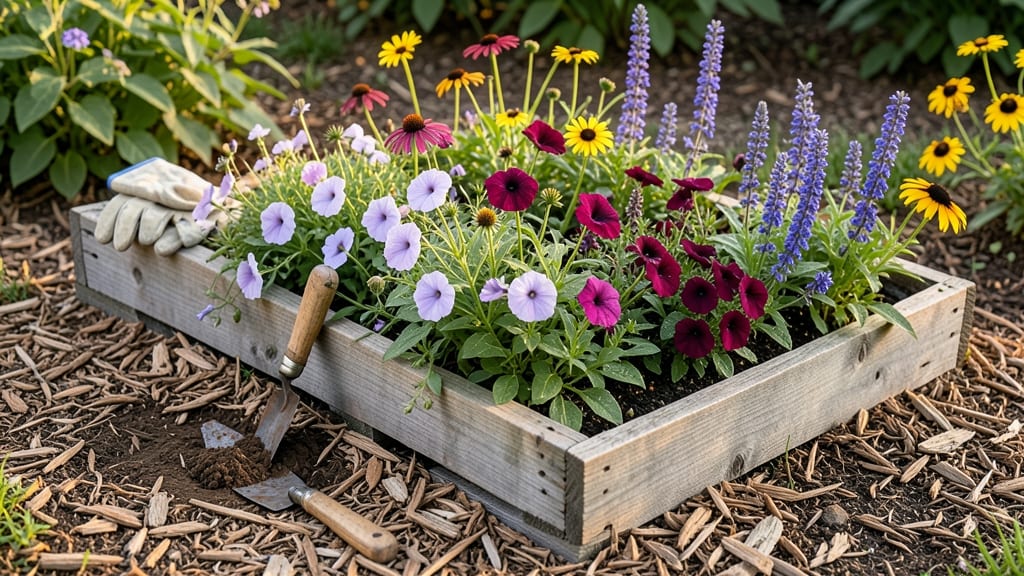
A pallet flower bed turns discarded wood into a thriving, budget-friendly garden that fits even the tiniest spaces.
Picture this: a rustic wooden pallet, lined with vibrant 🌸 blooms, spilling over a balcony railing or adding charm to a backyard corner. It’s the perfect project for anyone who loves gardening but hates the high cost of traditional planters.
With just a few tools and some creativity, you can build a stunning display that thrives in USDA Zone 6a and beyond.
Why settle for store-bought planters when you can create something unique, sustainable, and tailored to your style? Whether you’re a beginner or a seasoned gardener, pallet flower beds offer endless design possibilities—from vertical gardens to tiered arrangements—without the hefty price tag.
In this guide, I’ll show you how to select the right pallets, choose the best General Pallet Flower Bed Plants, and style your bed for maximum impact. Ready to turn wood into beauty?
15 Creative pallet flower bed designs for every space
I love how a simple wooden pallet can become a stunning vertical garden or space-saving flower bed with just a little creativity.
These designs work perfectly for balconies, patios, or urban gardens where space is limited but style isn't. Whether you're a beginner or a seasoned gardener, there's a pallet design that will inspire you to transform your outdoor space into a vibrant oasis.
Pallets offer endless possibilities—from hanging gardens to tiered planters—and they're incredibly budget-friendly. Plus, they're eco-friendly if you source them from local businesses or reuse old materials. Let’s explore 15 unique pallet flower bed designs that will make your garden stand out while keeping maintenance simple.
Before diving into designs, here’s a quick comparison of the most popular pallet flower bed styles to help you choose what fits your space and gardening goals best:
One of my favorite designs is the vertical pallet garden, which is perfect for maximizing space in small areas. You can mount it on a fence or wall and fill it with trailing plants like sweet potatoes or petunias.
The cascading effect adds movement and visual interest while keeping your garden lush and green. For a more structured look, try a tiered pallet design with built-in shelves for different plant heights.
If you're working with a limited balcony space, a hanging pallet garden is a game-changer. Simply attach sturdy hooks to your railing and let plants like string of pearls or ferns spill over the edges.
This design adds height and dimension without taking up valuable floor space. For a more rustic feel, a freestanding pallet planter filled with sunflowers or lavender can become a stunning focal point in your yard.
For those who love modular gardening, stacking pallets horizontally creates a customizable planter system. This is ideal for growing herbs or small vegetables like cherry tomatoes or lettuce. You can easily rearrange the sections as your plants grow or as your design preferences change.
Another creative twist is the spiral pallet garden, where pallets are arranged in a circular pattern to create a whimsical, eye-catching display.
Don’t forget about seasonal color changes! Swap out plants every few months to keep your pallet garden fresh and exciting. For example, plant cool-season flowers like pansies in spring and heat-loving marigolds in summer.
This approach ensures your garden stays vibrant year-round with minimal effort. With these designs, you’ll never run out of ways to make your pallet flower bed a standout feature in your outdoor space.
🌿
How to build a pallet flower bed: step-by-step guide
Building a pallet flower bed is a fantastic way to add charm to your garden without spending much. Pallets provide a sturdy, elevated base perfect for drainage and creative plant arrangements.
The key is selecting the right untreated wood and preparing it safely for your flowering plants. Let’s turn that pallet into a thriving garden feature!
Before you start, ensure your pallet is chemically untreated—look for the HT stamp (heat-treated) or avoid pallets with stains or paint. Sand down rough edges and remove any splinters to create a safe space for your potted plants.
Once prepped, you’re ready to transform it into a stunning vertical garden!
- 1 Prep the Pallet: Sand edges, remove nails/screws, and ensure it’s HT-stamped (heat-treated).
- 2 Add Drainage: Drill holes in the bottom and line with landscape fabric to prevent soil loss.
- 3 Fill with Soil: Use a mix of potting soil and compost for nutrient-rich growth.
- 4 Plant Selection: Choose trailing plants (e.g., petunias) and compact flowers (e.g., marigolds).
- 5 Water Thoroughly: Soak the soil to settle plants and encourage root growth.
- 6 Maintain Regularly: Water every 2-3 days, fertilize monthly, and prune dead blooms.
For drainage, never skip the holes in the bottom—this prevents root rot and keeps your plants healthy. If your pallet is placed on the ground, elevate it with bricks or cinder blocks to avoid moisture buildup. This simple step can extend the life of your wooden planter by years!
When selecting plants, prioritize drought-tolerant varieties like lavender or sedum, which thrive in pallet beds with minimal watering. Trailing plants like nasturtiums add movement and color, perfect for cascading over the edges. Group plants with similar water needs to simplify care.
To keep your pallet garden flourishing, mulch the top layer with straw or bark chips to retain moisture and suppress weeds. This low-maintenance step also adds a polished look to your vertical garden. With proper care, your pallet flower bed will bloom beautifully for years!
🌱