
Vegetables
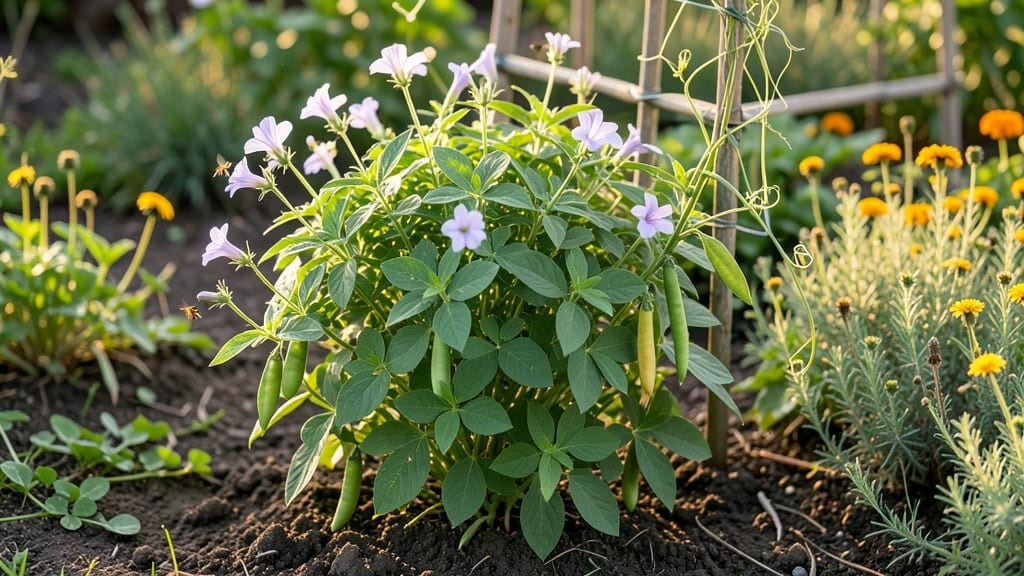
Growing Orient Wonder beans means frost-proof harvests and plants that bounce back every spring. 🌱 These bush beans thrive in cool weather, produce tender pods for months, and even regrow from the roots if frost hits—something store-bought varieties can't do.
My first year, I harvested fresh beans from May until hard frost, with the plants looking healthier each week.
They're fuss-free once you get the basics right: well-draining soil, full sun, and consistent moisture. The secret to their hardiness lies in their shallow root system and fast growth cycle—perfect for short seasons or cooler climates.
You'll need about 3 feet between plants and 1 inch deep for planting, with soil that's rich but not soggy.
What you'll end up with is a steady supply of flavorful, stringless pods that taste best when picked young. The plants handle light frost surprisingly well, and if they die back completely, they often regrow from the base next spring.
My neighbors swear these are the only beans that survive our unpredictable spring weather.
For beginners, the biggest challenges are keeping soil consistently moist and watching for Japanese beetles. A simple row cover solves both problems. Once established, these beans are about as low-maintenance as it gets—ideal for gardeners who want reliable harvests without constant attention.
📚 In This Guide
- What you need
- Instructions
- Tips and common mistakes
- Wrapping up and next steps
What you need
- ● Orient Wonder Bean Seeds: 10–20 seeds (or 1–2 seed packets)
- ● Containers or Garden Beds: Containers: 5–10-inch deep pots (1–2 per plant) with drainage holes
- ● Garden Beds: Well-draining soil, 6–12 inches deep, in full sun (6+ hours/day)
- ● Potting Mix: High-quality, organic mix (or garden soil amended with compost)
- ● Watering Can or Hose: With a gentle spray nozzle
- ○ Fertilizer (Optional but Helpful): Balanced organic fertilizer (5-5-5 or 10-10-10 NPK ratio)
- ● Compost or worm castings (for nutrient-rich soil)
- ○ Trellis or Support Structure (Optional but Recommended): Bamboo stakes, netting, or small cages (3–4 ft tall)
- ● 🌤️ Climate: Hardy in USDA Zones 3–10; thrives in cool to warm temperatures (50–85°F)
- ● 💧 Water Access: Consistent moisture (but not soggy soil)
- ● ⏳ Time Commitment: 60–90 days to harvest (regrows yearly with proper care!)
Step-by-step instructions for growing Orient Wonder beans
Here's how to cultivate these resilient, frost-hardy beans that keep producing all season.
🌱 Step 1: Choose the Perfect Planting Location
Orient Wonder beans thrive in full sun (6-8 hours daily) but tolerate partial shade in hot climates. I always pick a spot with well-draining soil—these beans hate soggy roots. Amend heavy clay with 2-3 inches of compost before planting to improve aeration. The key is finding a location where the soil warms to 60°F in spring, which usually means waiting until after your last frost date.
These beans are famously cold-hardy, but they germinate slowly in cold soil. If you're eager to start early, use black plastic mulch to warm the soil 5-10°F faster than bare ground. You'll see faster germination and stronger seedlings when the soil reaches that 60°F threshold.
☀️ Step 2: Direct Sow Seeds at Proper Depth and Spacing
Plant seeds 1 inch deep and 4-6 inches apart in rows spaced 18-24 inches apart. The larger spacing gives vines room to sprawl without competing for nutrients. I like to use a small stick to poke holes—this ensures consistent depth and prevents overcrowding. Water the soil thoroughly before sowing to help seeds settle at the right level.
Here's the thing—Orient Wonders produce both edible pods and nitrogen-fixing nodules. For best results, plant them near heavy feeders like tomatoes or peppers, but keep them 12 inches away to prevent competition. You'll notice the beans start flowering in 50-60 days under ideal conditions, so don't rush the planting process.
💧 Step 3: Water Consistently and Mulch for Moisture
Keep soil evenly moist but never waterlogged—these beans need 1-1.5 inches of water weekly, more during flowering and pod set. I water deeply in the morning so foliage dries quickly, preventing fungal diseases. Once plants reach 6 inches tall, apply 2-3 inches of straw mulch around the base to retain moisture and suppress weeds.
Real talk: Overwatering is the biggest mistake with these beans. Yellowing leaves or wilting vines usually mean the soil is too wet. Let the top 1-2 inches of soil dry out between waterings—you'll see healthier plants and better pod production when moisture is balanced.
✂️ Step 4: Prune and Support Vines for Maximum Yield
As vines grow, gently train them along a trellis or stakes to save space and improve air circulation. I prune leggy growth back by 1/3 to encourage bushier plants with more pods. Remove any yellow or diseased leaves immediately—Orient Wonders are resilient, but prevention is key. Harvest pods when they're 4-5 inches long for best flavor and to encourage continuous production.
Don't skip the trellis—without support, vines sprawl and shade the lower leaves, increasing disease risk. You'll harvest 30-50% more pods when vines are vertical and well-supported. Plus, the pods stay cleaner and easier to pick when off the ground.
⏰ Step 5: Overwinter and Regrow for Next Season
Here's what makes Orient Wonders special—they regrow from the roots after frost! In fall, cut back vines to 4 inches tall and mulch heavily with 4-6 inches of straw or leaves. The roots survive 10°F temperatures and produce new shoots in spring. I've seen plants regrow for 5+ years with proper winter care.
In early spring, remove old mulch and add fresh compost. Water lightly until new growth appears—usually within 2-3 weeks of warming soil. The first pods appear even earlier than new plantings because the roots are already established.
Tips & tricks for perfect Orient Wonder bean cultivation
These frost-resistant beans reward patience with years of harvests—here's how to maximize their potential.
Soil Temperature Secret: The 60°F soil threshold isn't just a number—it's the magic line where germination happens reliably. I test soil temperature with a cheap digital thermometer buried 2 inches deep. If it's below 60°F in spring, wait 1-2 weeks rather than forcing early planting. Cold soil makes seeds rot before they sprout, and you'll waste precious seeds.
Planting Precision: That 1-inch seed depth might seem shallow, but it's perfect for these beans. Deeper planting risks rot, while shallower planting causes uneven germination. Use a pencil to mark planting spots before making holes—this ensures consistent depth across all seeds. The 4-6 inch spacing between plants might seem generous, but it prevents fungal diseases by improving airflow between vines.
Watering Wisdom: The 1-1.5 inches weekly water guideline changes during flowering when you should increase to 2 inches. I water at the soil base rather than overhead to prevent fungal spores from splashing onto leaves. The 2-3 inches of straw mulch isn't just for moisture—it also regulates soil temperature swings that can stress the plants, especially in hot afternoons.
Harvest Timing: Those 4-5 inch pods are the sweet spot for flavor and tenderness. I harvest every 2-3 days during peak production to encourage continuous flowering. The key visual cue is when pods develop slight bulges along their length—this indicates mature beans inside. Harvesting at this stage gives you both young pods for fresh eating and mature seeds for next year's planting.
Pro Tips for Orient Wonder Beans
- These frost-resistant beans reward patience with years of harvests—here's how to maximize their potential.
- Soil Temperature Secret: The 60°F soil threshold isn't just a number—it's the magic line where germination happens re...
- Planting Precision: That 1-inch seed depth might seem shallow, but it's perfect for these beans. Deeper planting risk...
Frequently asked questions
Got questions about Orient Wonder Beans? You’re not alone! Whether you’re a first-time gardener or a seasoned grower, these frost-resistant pods can still raise a few curiosities. Here’s what you need to know:
How cold can Orient Wonder Beans tolerate?
These beans are seriously hardy! They can survive light frosts down to 20°F (-7°C) and even regrow after a hard freeze if the roots stay intact. For best results, plant them in USDA Zones 3-10—they’re one of the few beans that thrive in cooler climates without fuss. Just give them a little extra mulch in winter for extra protection.
How long does it take for Orient Wonder Beans to regrow each year?
Once established, these beans are perennial, meaning they’ll regrow from the same roots year after year! After a dormancy period (usually 4-6 weeks in cold climates), you’ll see fresh shoots emerge in spring—often within 2-3 weeks of warm soil (50°F/10°C or above). No replanting needed! Just trim back dead growth in late winter to encourage new growth.
Can I grow Orient Wonder Beans in containers?
These beans adapt well to containers as long as the pot is at least 12 inches deep and has good drainage. Use a light, well-draining soil mix and place them in a spot with 6+ hours of sunlight daily. Just be sure to water consistently—containers dry out faster than garden beds. Pro tip: Add a trellis to save space and improve airflow!
Are Orient Wonder Beans edible, and how do they taste?
Yes, they’re 100% edible! The pods have a mild, slightly sweet flavor similar to snap peas but with a crunchier texture. They’re great raw in salads, sautéed with garlic, or even pickled. The beans inside are also edible but less tender than store-bought varieties—best used in soups or stews. Harvest pods when they’re 3-4 inches long for the best flavor.
What should I do if my Orient Wonder Beans die back in winter?
Don’t panic! If the foliage dies but the roots are still firm, they’ll likely regrow in spring. If the roots are soft or mushy, they may have rotted—try planting new seeds nearby. To prevent this, mulch heavily in fall and avoid overwatering before winter. If all else fails, these beans are so easy to regrow from seed that you can always start fresh!
| Quick Troubleshooting Guide |
|---|
| Problem: No regrowth in spring |
| Fix: Check for live roots (white/pale = good!). If none, replant seeds 1 inch deep. |
| Problem: Yellowing leaves |
| Fix: Likely overwatering or poor drainage. Let soil dry slightly between waterings. |
| Problem: Pests (e.g., aphids) |
| Fix: Spray with soapy water or introduce ladybugs. Orient Wonder Beans are rarely heavily infested! |
Wrapping up and next steps
Discovering Orient Wonder Beans opens a world of low-maintenance, frost-resistant gardening that keeps giving—literally! These resilient pods thrive in cooler climates, regrow year after year, and deliver a bountiful harvest with minimal fuss.
Whether you're a seasoned gardener or just starting, their adaptability makes them a game-changer for sustainable, flavorful yields.
Ready to plant your future harvest? Grab your seeds, prep your soil, and take the first step toward a self-sustaining garden that rewards you season after season. 🌱✨ Your green thumb’s next adventure starts now!