
Vegetables
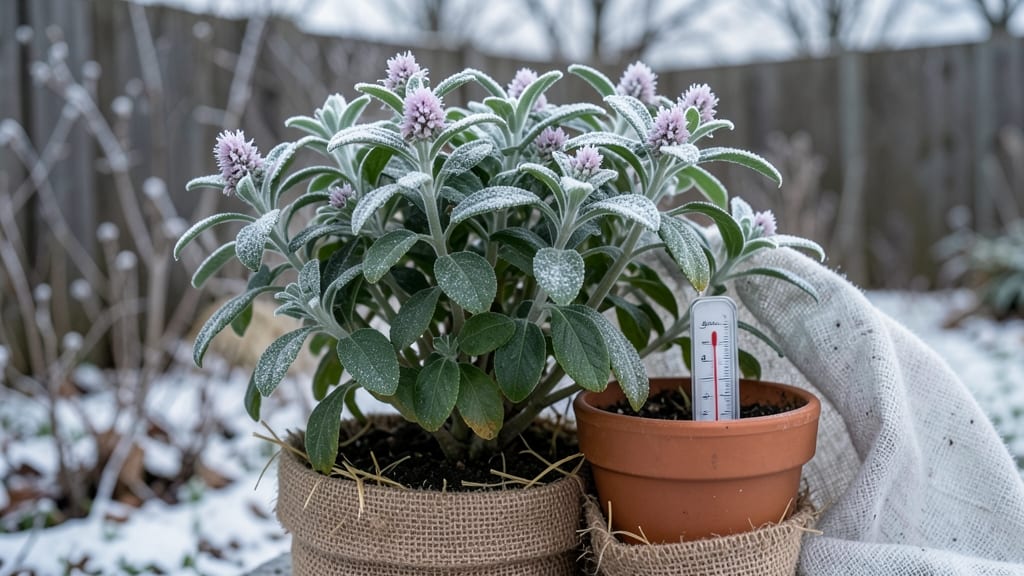
Your oregano won’t die in winter—it just needs a little strategy. 🌿 I’ve kept my perennial oregano thriving through subzero winters by treating it like a low-maintenance survivor, not a delicate annual. The key?
Understanding when to protect it, when to harvest, and how to bring it indoors without stressing the plant. Most gardeners make one big mistake: assuming oregano needs constant warmth. Actually, it handles cold better than heat if you prep it right.
In my zone 5 garden, I’ve grown the same plants for 8 years by using simple techniques like mulching, container moves, and strategic pruning before the first frost. By spring, you’ll have bushier plants with stronger flavor than store-bought, all because you preserved its roots through the cold months.
The secret isn’t complicated—just timing and a few basic supplies most gardeners already have. Whether you’re growing in the ground or containers, these methods work for both Mediterranean and Greek varieties. Let’s get your oregano through winter without the fuss.
📚 In This Guide
- What you need
- Instructions
- Tips and common mistakes
- Wrapping up and next steps
What you need
- ● Fresh or dried oregano: 1 small bunch (if fresh) or 1–2 tbsp (if dried). Look for Origanum vulgare for the best flavor!
- ● Air-tight containers: 1–2 small jars (4–8 oz) with tight-sealing lids (glass or food-grade plastic). Mason jars work great!
- ○ Silica gel packets (optional but recommended): 1–2 packets to absorb moisture and extend shelf life.
- ● Labeling supplies: Masking tape + marker (to label your jars with the harvest date).
- ● Pruning shears or clean scissors: 1 pair for harvesting fresh oregano.
- ● Paper towels or clean cloth: 1 roll or cloth for drying fresh sprigs.
- ● Small pots (4–6 inches in diameter): 1–2 pots with drainage holes.
- ● Well-draining potting mix: 1 bag (look for "herb-specific" or "cactus/succulent" blends).
- ● Grow lights or sunny windowsill: 1 grow light (or a south-facing window with 6+ hours of sunlight daily).
- ● Spray bottle: 1 small bottle for misting (if humidity is low).
- ○ Herb fertilizer (optional): 1 bottle of balanced liquid fertilizer (5-5-5 or similar).
Step-by-step guide to reviving oregano through winter
Here's how I keep my oregano thriving even when frost threatens—no greenhouse needed.
🪴 Step 1: Choose the Right Container and Soil
Move your oregano to a 6-8 inch pot with drainage holes before temperatures drop below 40°F. I use terra cotta containers because they breathe better than plastic, preventing root rot in cooler months. Fill it with well-draining potting mix—oregano hates soggy roots, even in winter.
Tap the pot gently to settle the soil after filling it halfway. This prevents air pockets that could trap cold air around the roots. If your plant is already in a pot, just repot if the current container lacks drainage or shows signs of overwatering.
☀️ Step 2: Position for Winter Light
Place your potted oregano in a location with 4-6 hours of indirect light daily. A south-facing window works best, but avoid direct sunlight that can scorch tender winter foliage. If your home lacks bright windows, supplement with a grow light positioned 6-12 inches away for 6 hours daily.
Watch for leggy growth—this means your plant is stretching toward light. If stems grow longer than 4 inches between leaves, move the plant closer to the light source. Rotate the pot weekly to encourage even growth.
💧 Step 3: Adjust Your Watering Routine
Water only when the top inch of soil feels dry—this usually means every 7-10 days in winter. Oregano goes dormant in cold weather, so it needs far less moisture. I use room-temperature water to avoid shocking the roots, and I water at the base to keep leaves dry.
Overwatering is the #1 winter killer. If leaves yellow or stems feel mushy, your plant is getting too much water. Let the soil dry out completely between waterings, even if it means waiting 12-14 days.
✂️ Step 4: Prune for Health and Shape
Trim back any dead or yellowing leaves with clean, sharp scissors. I also cut back about one-third of the plant's height to encourage bushier growth. Prune just above a leaf node where new growth will emerge. This prevents legginess and keeps your oregano compact.
Don't worry about losing foliage—oregano regrows quickly in spring. If your plant looks completely bare, it's just resting. Place it in a slightly cooler spot (50-60°F) to mimic natural winter dormancy.
🌱 Step 5: Protect from Drafts and Cold
Keep your oregano away from drafty windows, doors, or exterior walls. Cold drafts can shock the plant and cause leaf drop. If your home gets chilly at night, consider moving the pot to a slightly warmer room (50°F or above) during the coldest months.
If you notice leaves curling or turning brown, it's a sign the plant is too cold. Increase warmth gradually—don't rush it. A heat mat set to low can help maintain consistent temperatures without overheating.
Tips & tricks for perfect oregano revival in winter
Between us, winter can be brutal on herbs—but these small tweaks will keep your oregano thriving when frost threatens. Here's what nobody tells you to make it through the cold months.
Container Intelligence: If you're repotting for winter, terra cotta isn't just about aesthetics—it actually regulates moisture better than plastic, which prevents the dreaded winter root rot. Pro tip: Place a small layer of pebbles at the bottom of your pot before adding soil to improve drainage even further. This extra step creates a buffer zone that keeps roots happy when watering becomes less frequent.
Light Strategy: That 4-6 hours of indirect light? Think of it as your plant's winter vacation schedule. If you notice stems stretching beyond 4 inches between leaves, it's begging for more light. I keep a small LED grow light on a timer—just 6 hours daily—right above my kitchen counter. The key is consistency: oregano can't make up for missed light sessions later, so treat it like clockwork.
Watering Wisdom: The top inch dry test is your new best friend. Stick your finger in the soil—if it feels damp deeper than an inch, wait another day. I've learned this the hard way after ruining three batches of winter oregano with overwatering. Remember, winter dormancy means less water, not more. Even if your plant looks wilted, it's likely just resting, not thirsty.
Pruning Secrets: When you cut back that one-third of the plant's height, you're not just tidying up—you're encouraging bushier growth that'll come back stronger in spring. Always prune just above a leaf node, where new growth emerges. And here's a trick: if your oregano looks completely bare by spring, don't panic. It's just storing energy underground to make a bigger comeback when temperatures rise above 50°F.
Pro Tips for Oregano In Winter
- Between us, winter can be brutal on herbs—but these small tweaks will keep your oregano thriving when frost threatens...
- Container Intelligence: If you're repotting for winter, terra cotta isn't just about aesthetics—it actually regulates...
- Light Strategy: That 4-6 hours of indirect light? Think of it as your plant's winter vacation schedule. If you notice...
Frequently asked questions
Got questions about keeping your oregano game strong all winter long? You’re not alone! Here are some of the most common queries—and their easy, no-fuss solutions.
Can I grow oregano indoors during winter?
Move your potted oregano to a sunny windowsill (south-facing is ideal) or under a grow light for 6–8 hours daily. Keep the soil slightly moist but not soggy, and watch it thrive. Pro tip: Rotate the pot weekly for even growth!
How do I store fresh oregano to last through winter?
Wrap stems in a damp paper towel, place them in a plastic bag, and stash them in the fridge for up to 2 weeks. For longer storage, dry the leaves first, then crush and freeze in ice cube trays with olive oil for easy winter cooking.
What’s the best dried oregano substitute if I run out?
If you’re missing dried oregano, try marjoram (milder) or thyme (earthier) in equal amounts. For a Mediterranean twist, mix basil + rosemary (use half the amount). Pro tip: Toast whole spices in a dry pan for 30 seconds to wake up their flavors!
Why is my indoor oregano losing leaves in winter?
Low light or overwatering are the usual culprits. Trim leggy stems to encourage bushier growth, and let the top inch of soil dry out between waterings. If the air feels dry (common indoors!), mist the leaves lightly or place a tray of water nearby.
Can I freeze fresh oregano whole for later use?
Yes! Wash, dry thoroughly, and strip leaves from stems. Store in a single layer on a baking sheet, freeze for 1 hour, then transfer to a sealed bag or container. Frozen oregano keeps for 6–12 months—perfect for soups, stews, and pasta sauces!
Still stumped? Drop your question in the comments—we’ve got you covered!
Wrapping up and next steps
Winter doesn’t have to mean the end of fresh oregano’s magic! 🌿 With a few simple steps—whether you’re reviving dried sprigs, growing indoors, or swapping in substitutes—you can keep that bold, earthy flavor alive all season long. Embrace the coziness of homegrown herbs and elevate your dishes from soups to roasts with confidence.
Ready to level up your winter cooking? Start by picking one method from this guide and try it this week—your taste buds (and leftovers) will thank you! 🍲