
Blooming
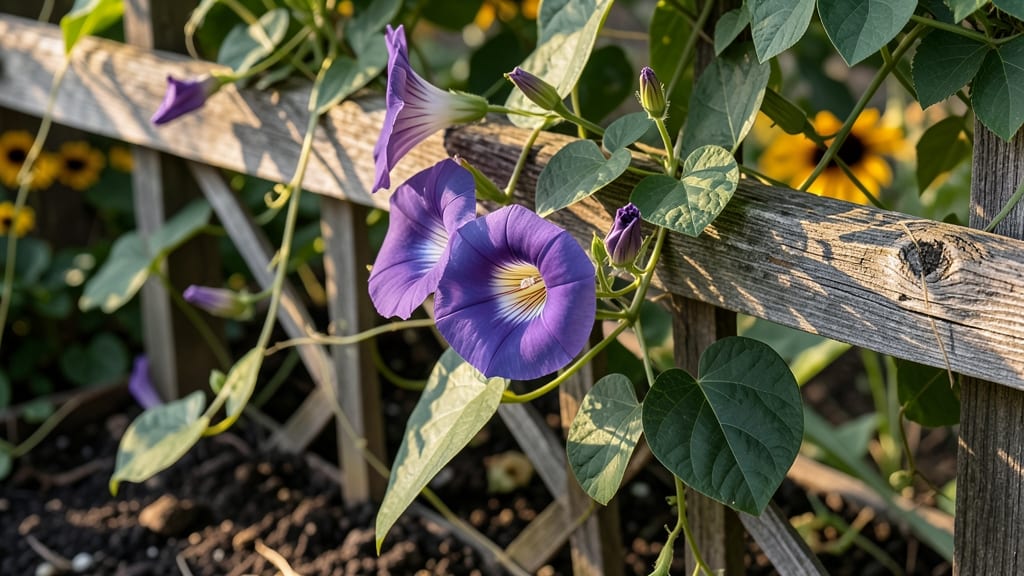
The morning glory flower season arrives in the warmest months of the year, when temperatures climb and days stretch long 🌸 — but the exact timing depends on where you live.
If you’ve ever woken up to find your garden transformed by delicate blue, purple, or pink trumpet-shaped blooms—only to watch them vanish by afternoon—you know morning glories thrive on timing. But when exactly should you expect their fleeting yet magical display? The answer depends entirely on your climate zone.
In cooler regions like USDA Zone 6a, these vines typically burst into color in late spring, with peak blooms stretching from June through August. Warmer climates, however, can enjoy morning glories year-round, with some varieties flowering as early as April or as late as September.
Below, I’ll break down the best months to plant and admire morning glories by region, plus pro tips to extend their bloom season—so you can enjoy their ethereal beauty for as long as possible.
Morning glory bloom seasons by USDA climate zones (with exact months)
Morning glories are famous for their ephemeral blooms that open in the morning and wilt by afternoon—but their peak bloom periods vary dramatically by USDA climate zone. Understanding these patterns helps you time your planting for the most spectacular seasonal displays.
In cooler zones, expect blooms as early as late May, while warmer regions may see flowers year-round with proper care.
Temperature shifts trigger flowering: daytime warmth (above 70°F) signals blooming, while cooler nights preserve petal integrity. Early-season varieties like 'Heavenly Blue' thrive in zones 3-5, while heat-loving 'Scarlet O'Hara' dominates zones 8-11.
Let’s break down the exact months for each zone to plan your garden’s peak color moments.
Pro Tip: Adjust planting dates by 2-4 weeks based on your local frost dates. For example, zone 6 gardeners should plant in late April, while zone 10 can sow year-round. The key is warm soil temperatures (at least 60°F) for germination.
In zones 3-4, morning glories bloom later due to cooler soils, so focus on heat-tolerant varieties like 'Purple Haze' for reliable color. These zones often see shorter bloom windows (July–August), so plan trellises near patios or decks to maximize visibility during their fleeting display.
Zones 5-6 enjoy the longest bloom seasons (June–September), making them ideal for extended seasonal interest. Here, succession planting every 3-4 weeks ensures continuous blooms. For example, sow seeds in mid-April for early blooms, then repeat in June to extend the season until frost.
Warmer climates (zones 7-10) allow for year-round planting with staggered sowings. In zone 10, you can achieve 12 months of blooms by planting seeds every 6 weeks. Varieties like 'Scarlet O'Hara' thrive in these conditions, producing vibrant red blooms even in winter months.
For zone 11, morning glories are nearly perennial-like in behavior, with minimal seasonal breaks. Take advantage of this by creating vertical gardens on fences or arbors. The humidity in these zones also supports longer-lasting blooms compared to drier climates.
Adjust your trellis height based on zone: shorter varieties (3–6 ft) work well in cooler zones, while taller types (10–
How to extend morning glory flowering beyond one season (proven tips)
Morning glories are famous for their ephemeral blooms—open by dawn, wilted by dusk. But with the right strategies, you can stretch their flowering season from weeks to months. The key lies in understanding their growth triggers and working with their natural rhythms rather than against them.
Since morning glories are annual vines, they complete their lifecycle in one season. However, by using succession planting, trellis training, and selecting prolonged-bloom varieties, you can create a continuous floral display that keeps your garden vibrant all summer long.
🌱 Proven Tips to Extend Morning Glory Blooms
- 🌿 Succession Planting: Sow seeds every 2-3 weeks from spring to early summer. Staggered plantings ensure overlapping bloom cycles.
- ✂️ Deadhead Regularly: Remove spent blooms daily to redirect energy to new flowers. Use clean pruning shears for precision.
- 🪴 Train on Trellises: Provide 6-10 ft vertical support. Stronger vines produce more robust blooms and resist wind damage.
- ☀️ Maximize Sunlight: Ensure 6+ hours of direct sun. Morning glories bloom best in full-sun conditions.
- 💧 Deep Water Weekly: Water deeply 1-2 times per week to encourage longer root systems and sustained growth.
For continuous blooms, choose long-flowering varieties like 'Heavenly Blue' or 'Fountain of Youth'. These cultivars naturally produce flowers over extended periods, reducing the need for constant deadheading. Pair them with early-, mid-, and late-season plantings to create a seamless transition.
If your morning glories bloom too quickly, check for nutrient deficiencies or overcrowding. A balanced 5-10-10 fertilizer applied every 4-6 weeks can boost vigor. Also, ensure proper spacing—vines need 3-6 inches apart to thrive without competing for resources.
Troubleshoot short-lived blooms by adjusting your watering schedule. Morning glories are drought-tolerant but perform best with consistent moisture. Mulch with 2-3 inches of organic matter to retain soil moisture and regulate temperature, which can prolong flowering by weeks.
With these techniques, your morning glories will transform your garden into a nonstop floral spectacle—from early summer through fall. The secret? Work with their natural cycle, not against it, and enjoy their magical, fleeting beauty for months to come. 🌸