
Flowers
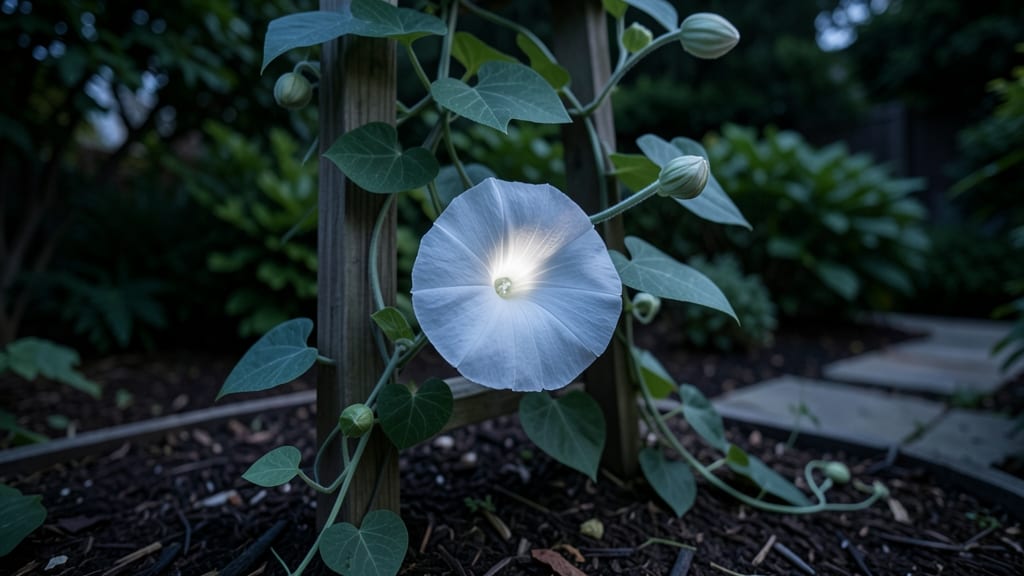
Moonflowers thrive in sun or shade with the right balance—too much heat can scorch their delicate blooms, while too little light stunts their 15-foot vines.
Picture this: you’ve sown your 🌙 seeds in May, dreaming of moonlit white blossoms, only to watch them wilt by afternoon or stretch weakly toward the sky. The secret? Moonflowers need 6+ hours of sunlight but can’t handle scorching midday rays—so where’s the sweet spot?
In this guide, I’ll show you how to read your garden’s light like a pro: when to stake them for support in full sun, which shade-loving varieties still deliver blooms, and the evening watering trick that keeps roots cool.
By the end, you’ll know exactly how to coax those ethereal flowers to climb, bloom, and last from July through September—no guesswork, just long-lasting magic.
 Best Window Placement
Moonflower light requirements: sun vs shade for optimal growth
Moonflowers (Ipomoea alba) thrive under moonlight, but their daytime light needs are often misunderstood. These fast-growing vines actually prefer bright, indirect light to partial shade, with a sweet spot of 4-6 hours of direct sun daily.
Too much scorching sun weakens vines, while deep shade reduces blooms. Let's break down how to balance light for maximum ethereal blooms.
In full sun, moonflowers produce stronger vines but may struggle in hot climates above 90°F. Their leaves can scorch, and blooms may close prematurely. Partial shade (morning sun + afternoon shade) is ideal for most gardens, especially in zones 7-9. Deep shade (<3 hours sun) leads to leggy growth and sparse flowers.
Here's how different light levels impact your moonflowers:
For full sun gardens, use lightweight shade cloth (30-50%) during peak afternoon hours (1-4 PM). This mimics partial shade while allowing 6+ hours total light. In shady spots, supplement with a grow light for 4-6 hours daily to encourage blooming.
Moonflowers in partial shade develop healthier foliage and longer-lasting blooms. The key is morning sun (6 AM-12 PM) when temperatures are cooler. Afternoon shade protects delicate leaves from heat stress, which causes yellowing edges and premature wilting.
In deep shade, moonflowers may grow up to 20 feet but produce fewer than 10 blooms per vine. To improve conditions, plant near east-facing windows or use reflective mulch to bounce light onto vines. Avoid west-facing walls, which create heat pockets that stress plants.
Pro tip: Rotate vines weekly to ensure even light exposure. This prevents one-sided growth and encourages bushier blooms. Use a trellis with adjustable arms to position vines optimally as they grow.
Monitor your moonflowers' leaves for color changes. Dark green indicates perfect light, while yellowing means too much sun, and pale green signals insufficient light. Adjust placement accordingly for continuous blooms from July through September.
🌿
How to grow moonflowers in full sun without sacrificing blooms
Growing moonflowers in full sun might seem counterintuitive since they bloom at night, but with the right techniques, you can enjoy their ethereal blooms all season long. The key lies in protecting their delicate vines while ensuring they get enough sunlight for robust growth.
I’ve found that combining strategic shade solutions with proper care creates the perfect balance.
Moonflowers thrive in partial shade, but they can handle full sun if you take precautions. The secret is to prevent their leaves from scorching while still giving them enough light to produce abundant blooms.
My approach focuses on mulching, companion planting, and watering schedules that keep the roots cool and the vines healthy.
- 🌿 Use shade cloth (30-50%) to filter harsh afternoon sun, reducing leaf burn while allowing light for blooms.
- 💧 Water deeply in the evening to keep soil moisture high, which helps regulate vine temperature.
- 🌳 Plant near tall perennials like sunflowers or hollyhocks to create natural shade for lower vines.
- 🪴 Mulch with straw or wood chips to insulate roots and retain moisture, preventing heat stress.
- ✂️ Prune leggy vines to encourage bushier growth and better air circulation, reducing heat buildup.
One of my favorite tricks is using a lightweight shade cloth draped over a trellis. I install it in early afternoon when the sun is strongest, then remove it by evening to let the vines cool.
This mimics their natural partial-shade preferences while still giving them enough light for vigorous growth. For containers, I opt for self-watering pots with a built-in shade cover to protect the roots.
Companion planting is another game-changer. I pair moonflowers with tall sun-loving companions like cosmos or cleome, which cast dappled shade on the lower vines. This setup not only protects the moonflowers but also creates a stunning vertical display.
Just avoid planting them near aggressive spreaders like mint, which can compete for resources and stress the vines.
Watering is critical in full sun. I water my moonflowers deeply in the evening to prevent moisture loss during the day. A drip irrigation system set on a timer ensures consistent moisture without overwatering.
During heatwaves, I increase frequency to every 2-3 days and add a layer of mulch to lock in moisture. This keeps the roots cool and the vines thriving, even in scorching conditions.
With these strategies, I’ve grown moonflowers in full sun for years, enjoying their night-blooming magic without sacrificing a single petal. The key is balance—giving them enough light for growth while protecting them from the harshest elements.
Try these tips, and you’ll have moonflowers that bloom like clockwork, even in the sunniest spots! 🌙