
Blooming
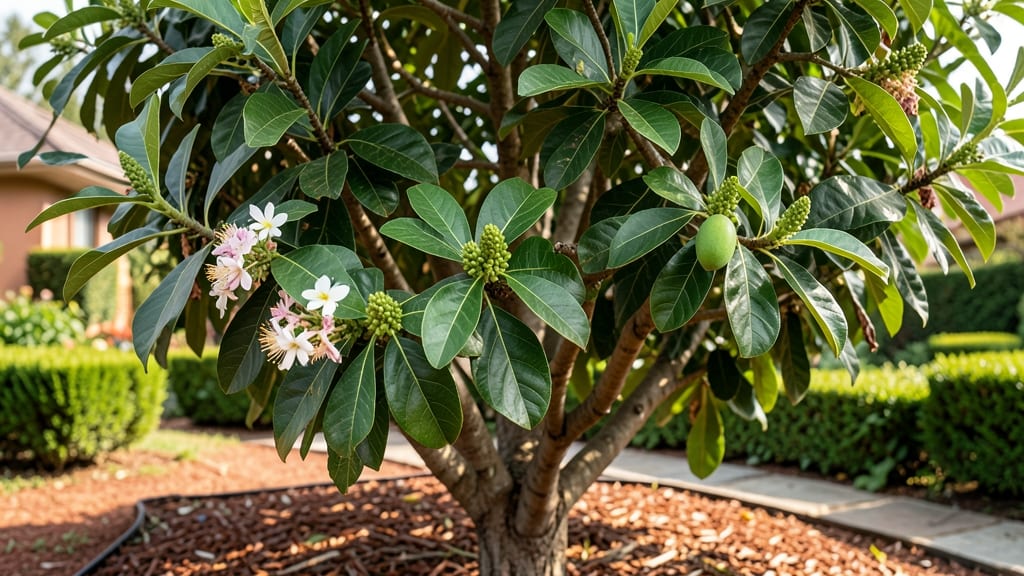
The stages of mango flowering are nature’s secret to turning a tropical tree into a fruit-bearing giant — but without knowing what to watch for, you might miss the critical 2-week window when buds turn into fruit.
Watching a mango tree bloom is like witnessing nature’s carefully timed masterpiece—but without understanding its flowering stages, you might miss the critical window for pollination and fruit set, leaving you with empty hopes instead of sweet harvests. 🥭
From tiny buds in late winter to the first signs of fruit set, each phase depends on temperature, sunlight, and even pruning choices. Get it wrong, and your tree could drop flowers before they set—or worse, produce tiny, underdeveloped fruit.
Here’s how to spot each stage, what environmental factors to control, and the simple tricks to boost your mango’s fruit set—so you’re not left staring at blooms with no harvest in sight.
Mango flowering stages: visual guide to bud formation and blooming
Understanding the five distinct stages of mango flowering helps you predict when your tree will produce fruit. Each phase comes with unique visual cues and environmental triggers that determine success. For example, bud differentiation begins when tiny green bumps appear on branches, signaling the start of the reproductive cycle.
Miss this stage, and you’ll overlook the perfect window for optimizing pollination.
Mango trees thrive in USDA Zones 10-11, where consistent warmth triggers flowering. In cooler subtropical regions, flowering often occurs after the last frost risk passes—typically in late winter or early spring.
Paying attention to these cues ensures you’re ready to support your tree during its most critical growth phase. Without proper care, even healthy trees may drop flowers or fail to set fruit.
Temperature plays a pivotal role in each stage. For instance, panicle emergence requires daytime temps between 75-85°F (24-29°C), while full bloom thrives with humidity levels above 60%. These conditions create the ideal environment for pollinators like bees and bats to visit, increasing the chances of successful fruit set.
Visual identification is key. During bud differentiation, buds appear as small, rounded swellings along the branches. As they mature into panicles, they elongate and develop tiny white or pink flowers.
Skipping this step means missing the opportunity to protect your tree from pests or environmental stressors that could damage emerging blooms.
Here’s a quick reference to help you spot each stage:
The transition from full bloom to petal drop is where many gardeners lose hope. Flowers begin falling naturally, but this doesn’t mean failure—it’s a normal part of the process.
Only 10-30% of flowers typically set fruit, so patience is key. During this phase, thin overcrowded fruit to ensure the remaining mangoes grow larger and healthier.
After petal drop, tiny green mangoes appear, marking the fruit set stage. This is your tree’s way of selecting the strongest flowers to develop into fruit.
To support this phase, increase potassium-rich fertilizers like banana peel tea or wood ash. Avoid overwatering, as soggy soil can lead to fruit rot or premature drop.
Environmental stressors like drought or extreme heat can disrupt flowering. For example, temperatures above 95°F (35°C) during panicle emergence may cause flowers to abort. Use shade cloth temporarily if your region experiences heatwaves, and ensure your tree has access to consistent moisture without waterlogging.
Pruning also impacts flowering. Avoid heavy pruning during the bud differentiation stage, as this removes potential flower sites. Instead, focus on shaping your tree in late winter, before buds emerge. This balances growth and flowering while maintaining an open canopy for better air circulation and pollinator access.
Finally, keep an eye out for pests like mango hoppers or diseases such as anthracnose, which can devastate blooms. Neem oil sprays applied during bud differentiation act as a preventive measure, protecting your tree without harming pollinators.
With the right care, your mango tree will reward you with a bountiful harvest in 12-18 months. 🌱
How to optimize pollination for maximum mango fruit set
Pollination is the secret ingredient to a bountiful mango harvest, yet many gardeners unknowingly sabotage their trees by missing the critical 3-day window after flowering.
Mango trees rely on both wind and insects for pollination, but their success depends heavily on your interventions—especially if you’re growing cross-pollinating varieties like 'Keitt' or 'Haden'. Even self-pollinating types like 'Valencia Pride' benefit from a little help during humid or rainy conditions, which can wash away pollen.
Understanding the self-pollinating vs. cross-pollinating dynamics of your mango variety is step one. Self-pollinating trees, such as 'Cogshall' or 'Kent', can fertilize their own flowers, but they often produce smaller yields without cross-pollination.
Cross-pollinating varieties, on the other hand, require another tree within 50-100 feet for optimal fruit set. If you only have one tree, hand-pollination becomes your best friend.
Timing is everything—pollination must occur within 24-48 hours of the first flowers opening. Miss this window, and your tree’s energy shifts to leaf growth instead of fruit development. The ideal conditions for natural pollination include warm temperatures (75-85°F), light winds, and active pollinators like bees and flies.
But if your tree is isolated or the weather isn’t cooperating, you’ll need to step in.
⚠️ CALLOUT WARNING ⚠️
- Over-pruning during flowering removes buds and blossoms, slashing yields by up to 70%.
- Pesticide use near bloom time kills pollinating insects like bees and flies.
- Excessive nitrogen promotes leafy growth at the expense of flower and fruit development.
- Ignoring humidity—low humidity (40% or below) causes pollen to dry out and fail to transfer.
Hand-pollination is simpler than you think. On a dry, sunny morning, use a small paintbrush or cotton swab to gently transfer pollen from one flower’s anther (male part) to another’s stigma (female part). Focus on flowers that have just opened—these are the most receptive.
For larger trees, a pollen gun (a DIY tool made from a spray bottle filled with pollen) can cover more ground quickly. Repeat this process for 3 consecutive days to ensure maximum coverage.
Weather plays a pivotal role in pollination success. Heavy rain or high humidity can drown pollen, while strong winds may scatter it before it reaches the stigma. If rain is forecasted during bloom time, consider covering your tree with a lightweight shade cloth to protect flowers.
Conversely, dry, windy conditions can help disperse pollen naturally—just avoid overwatering the tree, as soggy soil reduces root efficiency.
Monitor your tree’s progress by checking for fruit set within 7-10 days after pollination. Successful pollination will show as tiny, marble-sized fruits. If you notice aborted fruit (flowers that drop without forming fruit), it’s a sign of poor pollination or environmental stress.
In this case, revisit your hand-pollination efforts or adjust care routines—such as reducing water stress or adding calcium to the soil—to support fruit development.