
Blooming
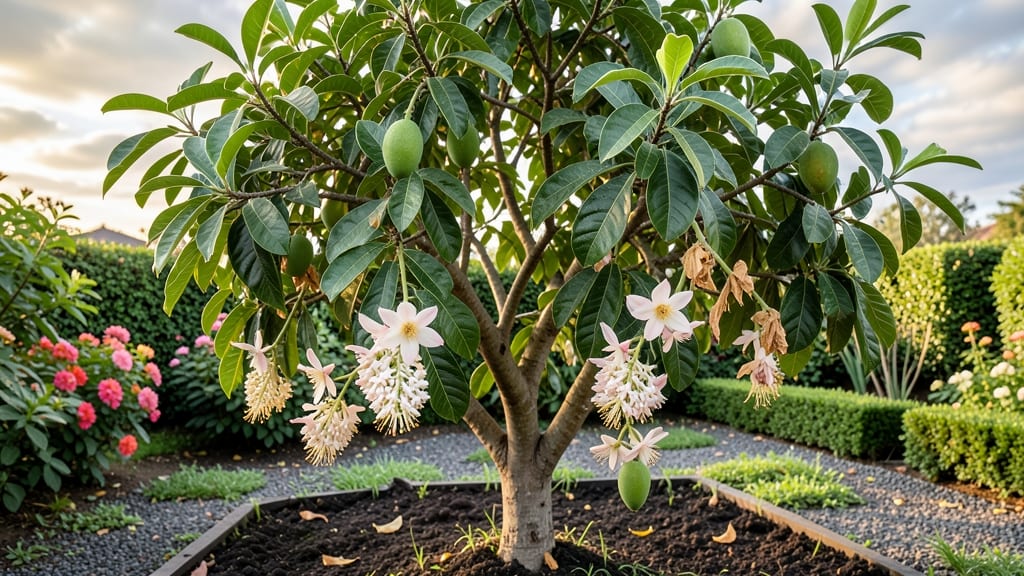
The mango tree flowering stages reveal the secret to a heavy harvest—if you know what to watch for in each phase.
Picture this: your 🥭 mango tree suddenly bursts into clusters of tiny pink buds, but you’re not sure if it’s ready for pollination—or if those buds will even turn into fruit.
Without timing it right, you could miss the critical window where flowers open just long enough for bees to do their job. That’s why understanding each stage’s visual cues and environmental needs is the key to avoiding empty branches come harvest season.
From the first flush of panicles to the dramatic petal drop, every phase depends on temperature, sunlight, and even your care routine. Too much shade? Buds abort. Wrong fertilizer timing?
Flowers fall before setting fruit. I’ve seen both mistakes firsthand—and the difference between a bountiful crop and a disappointing one comes down to recognizing these stages early.
Here’s what to look for month by month, how to troubleshoot common blooming mistakes, and exactly when to step in (or step back) to give your tree the best shot at success. Let’s break it down so you never miss a beat.
5 Distinct stages of mango tree flowering (with visual clues)
A mango tree’s flowering process is a meticulously timed sequence that determines your harvest’s success. Each stage—from tiny bud formation to petal drop—offers visual and scent cues that reveal whether your tree is ready for pollination.
Missing these signs can mean fewer fruits or poor-quality mangoes. Let’s break down the 5 critical stages and what to watch for at each step.
Understanding these stages helps you time pollination correctly, whether you’re relying on natural bees or hand-pollinating. For example, stage 3 (full bloom) is the prime window for pollination, but many gardeners overlook the earlier bud development phase, which sets the stage for everything that follows.
Let’s explore each phase with visual clues and care tips to ensure your mango tree thrives.
🌱 Visual Clues Are Key: Pay attention to color shifts, scent intensity, and bud structure. For instance, healthy buds should be plump and green, while stressed buds may appear shriveled or brown. Scent changes from subtle to sweetly fragrant as flowers mature, signaling pollination readiness.
🌿 Why Timing Matters: Pollinating too early or too late can lead to flower drop or poor fruit set. For example, in Zone 9b (Phoenix), flowering peaks in February-March, but in Hawaii’s tropical climate, it can stretch year-round. Aligning your care with these stages maximizes your tree’s potential.
| Stage | Duration | Visual Clues | Scent | Care Tips |
|---|---|---|---|---|
| 1. Bud Formation | 2-4 weeks | Tiny green buds (pea-sized), clustered in panicles | None | Prune dead branches; ensure balanced fertilization |
| 2. Bud Swelling | 1-2 weeks | Buds plump up, turn pinkish-green | Subtle sweetness | Increase watering frequency; avoid pruning |
| 3. Full Bloom | 3-5 days | White-pink flowers with yellow stamens | Strong sweet fragrance | Hand-pollinate if bees are scarce; protect from wind |
| 4. Petal Drop | 1-2 weeks | Petals fall, tiny fruitlets appear | Fading scent | Reduce watering; monitor for fruit drop |
| 5. Fruit Set | 4-6 weeks | Green fruit (pea to golf-ball size) | None | Thin fruits if overcrowded; avoid heavy pruning |
Stage 1: Bud Formation is where it all begins. Look for tiny green buds clustered in panicle formations along your tree’s branches. These buds are highly sensitive to environmental stress, so ensure your mango tree has consistent moisture and full sun exposure. During this phase, focus on light fertilization to support bud development without overstimulating growth.
If you notice buds turning brown or dropping prematurely, it could signal nutrient deficiency or temperature stress. For example, temperatures below 60°F (15°C) can stunt bud growth. In Zone 9b climates, this stage typically starts in late January, while in tropical Hawaii, it may occur year-round.
Stage 2: Bud Swelling marks the transition from dormancy to active bloom. Buds plump up and develop a pinkish-green hue, indicating they’re preparing to open. This is also when you’ll detect a subtle sweet scent, a sign that the tree is gearing up for pollination. During this 1-2 week window, increase watering slightly to prevent stress, but avoid heavy pruning.
Pro tip: If your tree is in a container, ensure the pot has drainage holes to prevent root rot, which can cause buds to abort. Container-grown mangoes may also need more frequent watering due to faster soil drying. Monitor for aph
How to identify flowering stage mistakes that kill fruit production
Even experienced gardeners can accidentally sabotage their mango tree’s fruit production by misidentifying flowering stages. The most common mistake? Assuming tiny green buds are already flowers ready for pollination. In reality, these are just immature floral buds that need weeks to mature.
Without proper identification, you might miss the critical 7-10 day pollination window when flowers are fully open and receptive.
Another frequent error involves ignoring scent cues—mature mango blossoms release a sweet, almost tropical fragrance, while immature buds smell neutral or slightly bitter. Skipping this sensory check means you might pollinate too early or too late, both of which drastically reduce fruit set.
Even worse, some gardeners confuse panicle formation (the branching structure holding flowers) with actual blooms, leading to wasted pollination efforts on sterile structures.
⚠️ callout-warning ⚠️
3 Deadly Mistakes That Stop Fruit Production
- ❌ Pollinating immature buds: Flowers must be fully open (petals unfurling) for successful pollination. Early attempts waste time and attract pests.
- ❌ Ignoring scent tests: Mature blossoms smell sweet and tropical—immature buds have no scent. Skip this step, and you’ll pollinate at the wrong time.
- ❌ Over-pruning during flowering: Trimming branches with active flower clusters removes potential fruit. Wait until post-harvest (fall/winter) for pruning.
🚨 Fix it: Use the 5-point checklist below to verify each stage before pollinating.
To avoid these pitfalls, start by examining the bud color and texture. Immature buds are tight, green, and rubbery, while mature ones soften and turn pale yellow or cream.
Next, check the panicle structure. Mature flower clusters should have 3-5 layers of blooms, while immature ones appear sparse. Pro tip: Gently shake the branch—mature flowers will release a faint sweet aroma, while immature buds stay silent. This scent test is your #1 indicator of readiness for pollination.
Here’s a quick stage-verification checklist to use before pollinating: ☑️ Buds are soft to touch (not hard) ☑️ Color is pale yellow/cream (not green) ☑️ Panicle has 3+ layers of blooms ☑️ Scent is sweet and tropical ☑️ Petals are partially unfurling (not closed)
If you miss the pollination window, don’t panic—mango trees often produce secondary flushes 2-3 months later. However, late pollination results in smaller, less flavorful fruit**. For best results, mark your calendar 7-10 days after full bloom to reassess fruit set and thin overcrowded clusters to ensure larger, higher-quality mangoes.