
Planting
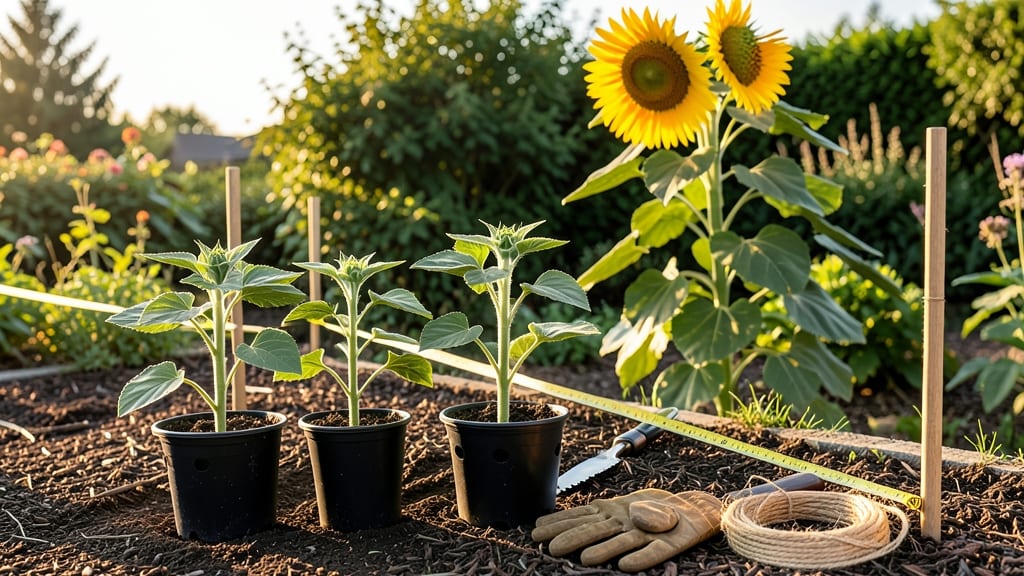
Spacing mammoth sunflower plants correctly is the key to growing those 10-foot-tall giants without them toppling over or fighting for nutrients.
Picture this: You’ve planted your 🌻 Mammoth Sunflowers in April, dreaming of towering stalks by summer—only to watch them lean, wilt, or worse, rot at the base because they’re too crowded.
The right distance isn’t just about aesthetics; it’s about giving each plant room to drink deeply, soak up sunlight, and stand tall without competing for life.
In Zone 6a, where spring planting kicks off in April, the ideal spacing starts at 18–24 inches between plants. But here’s the catch: that’s just the beginning. Soil type, sunlight exposure, and even your garden layout can tweak those numbers.
Too close, and you’ll end up with weak stems and fungal trouble; too far apart, and you’ll waste space in a garden where every inch counts.
Below, I’ll break down the science-backed spacing rules for every growth stage—from seedlings to those basketball-hoop-high blooms—plus creative hacks for small gardens and how to fix spacing mistakes before they become disasters.
Optimal mammoth sunflower spacing by growth stage: from seedlings to towering giants
Mammoth sunflowers (Helianthus annuus) can reach heights of 10-14 feet, making proper spacing critical for their development. Unlike smaller varieties, these giants need room to grow strong stalks and develop large flower heads.
The spacing requirements change as they progress from seedlings to mature plants, so understanding each stage helps prevent overcrowding and disease.
At the seedling stage, you might plant seeds just 6 inches apart to save space, but this is temporary. As they grow, you’ll need to thin them to 18-24 inches apart to give roots and leaves enough room.
Skipping this step leads to weak stalks and fungal infections from poor airflow.
During the vegetative stage (when leaves are expanding), spacing becomes even more critical. Plants need 24-36 inches apart in rows to avoid competition for nutrients and sunlight. In larger gardens, you can space them 3 feet apart in a grid layout for better airflow and easier maintenance.
When they reach the flowering stage, their massive size demands even more space. Final spacing should be 36-48 inches apart to prevent stalks from bending under their own weight. This also ensures each plant gets enough sunlight to produce vibrant blooms.
| Growth Stage | Spacing (Inches) | Key Considerations | Best Layout |
|---|---|---|---|
| Seedlings | 6-12 | Thin to 18-24" later | Rows or grids |
| Vegetative | 24-36 | Prevents leaf competition | Staggered rows |
| Flowering | 36-48 | Supports stalk strength | Wide grids |
| Containers | 1 plant per 15-gallon pot | Use deep containers | Solo planting |
For container gardening, mammoth sunflowers need at least a 15-gallon pot per plant. Place them in full sun and ensure the container is deep enough to support their tall roots. Avoid overcrowding by planting just one mammoth sunflower per container—their size makes them poor companions.
In row layouts, space plants 3 feet apart with rows 4 feet apart to allow for maintenance and airflow. This setup works well in larger gardens or fields. For grid layouts, use a 3x3-foot spacing to maximize sunlight exposure and minimize disease risk.
If you’re growing mammoth sunflowers in small gardens, consider staggered rows or vertical supports to save space. This technique lets you fit more plants in a limited area while still meeting their spacing needs. Just ensure each plant has enough room to grow upright without leaning.
One common mistake is assuming closer spacing will produce more flowers. In reality, it leads to smaller blooms and weaker stalks due to competition for resources. Always prioritize airflow and sunlight access to keep your mammoth sunflowers healthy and thriving.
Proper spacing also reduces the risk of powdery mildew and rust, two common fungal diseases in crowded sunflower patches. By giving each plant enough room, you create an environment where air circulates freely, keeping leaves dry and reducing disease pressure.
To visualize spacing, sketch your garden layout before planting. Mark plant positions with stakes or strings to ensure you maintain the correct distances. This simple step saves time and effort later when your sunflowers are fully grown and harder to manage.
Remember, mammoth sunflowers are an investment in height and beauty, but they won’t reach their full potential without the right spacing. Follow these guidelines, and you’ll enjoy towering stalks and vibrant blooms that turn heads in your garden. 🌻
How close can you plant mammoth sunflowers? Common mistakes and fixes
Mammoth sunflowers need space to stretch their legs—literally! Planting them too close creates a recipe for disaster: weak stalks, fungal diseases, and flowers that never reach their full glory. The ideal spacing of 18-24 inches between plants isn't just a suggestion—it's a survival strategy for these sun-loving giants.
Without proper room, they'll compete for sunlight and nutrients, leaving you with shriveled stems and disappointed dreams.
Even experienced gardeners sometimes make spacing mistakes. One common error is treating mammoth sunflowers like their smaller cousins, planting them 6-12 inches apart as you would dwarf varieties. This leads to overcrowding, where plants lean into each other, creating tangled messes that block airflow and invite powdery mildew.
Another mistake is assuming "more plants = more flowers"—but without proper spacing, you'll end up with fewer, weaker blooms instead of a lush display.
⚠️ callout warning
Planting mammoth sunflowers closer than 18 inches triggers these problems:
- 🌱 Stunted growth from sunlight competition
- 🍄 Fungal diseases (powdery mildew, rust) from poor airflow
- 🪵 Weak, leaning stalks that snap under their own weight
- 🌼 Fewer, smaller flowers due to nutrient theft
Fix it now: Thin seedlings to 24 inches apart by gently pulling extras (don't cut—this stresses roots). If already crowded, prune lower leaves to improve airflow.
If you've already planted your mammoth sunflowers too close, don't panic—there are ways to salvage your garden. The first step is pruning for airflow. Carefully trim lower leaves on crowded plants to create space between stems.
This isn't just about looks; better airflow reduces humidity buildup, which is how fungal spores thrive. For severely crowded plants, consider staking individual stalks to prevent them from toppling over as they grow.
Another clever fix is to interplant with shallow-rooted companions. Fast-growing radishes or lettuce can fill gaps between sunflowers while they're young, then be harvested before the sunflowers need all the space.
This temporary sharing strategy works wonders in small gardens where every inch counts. Just avoid planting anything that competes heavily for nutrients, like corn or other sunflowers.
For container growers, the spacing rules change slightly. In 5-gallon pots or larger, you can plant one mammoth sunflower per container—but choose a variety labeled "container-friendly" if space is extremely limited.
The key is deep roots and drainage: these giants need room to anchor themselves, so avoid small pots where roots will circle and strangle the plant. If you're determined to grow multiple in one container, space them 12 inches apart and expect slightly smaller blooms.
Remember: spacing isn't just about the plants—it's about the ecosystem you create. Properly spaced mammoth sunflowers develop stronger stems, brighter blooms, and better resistance to pests. They'll also attract more pollinators, turning your garden into a buzzing haven.
When you get it right, those towering sunflowers will be the showstopper of your summer landscape—worth every inch of space you gave them.