
Companion Plants
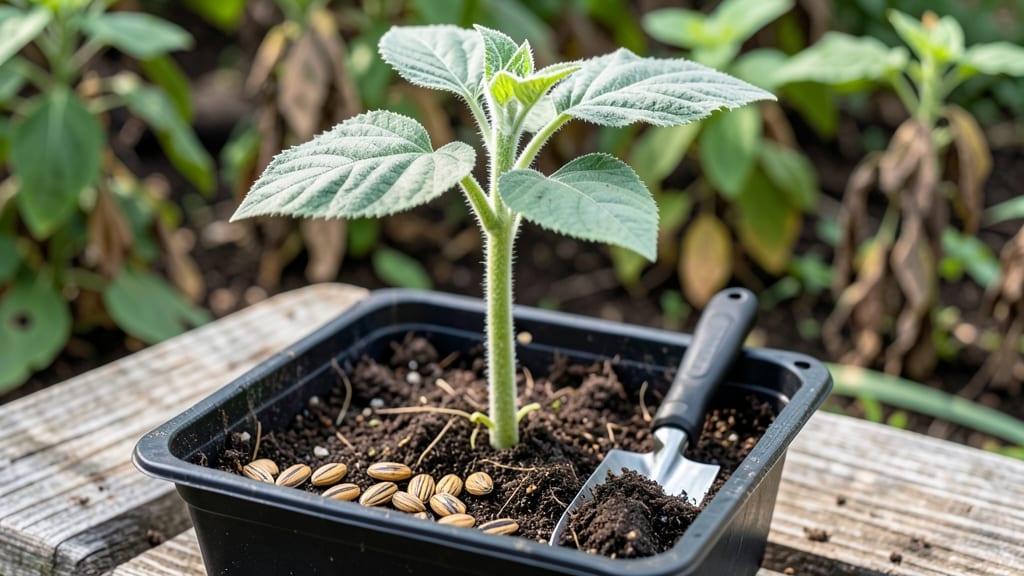
Planting sunflower seeds in Maryland after the last frost—typically around mid-April—sets the stage for towering 🌻 blooms that last through fall.
Sunflowers bring vibrant color and joy to Maryland gardens—but planting them at the wrong time can mean stunted growth or frost damage. Timing is everything, especially with Maryland’s varied USDA zones and unpredictable spring weather.
In zones 7a-8a, where most of Maryland falls, the window for direct sowing is tight: mid-April to early June. Miss that, and you risk seedlings struggling through late frosts or bolting before they mature.
Below, I break down the exact frost-free deadlines by zone, soil prep secrets, and how to stretch your blooms with succession planting—so you can enjoy sunflowers from summer through fall.
Maryland’s frost-free deadlines for planting sunflower seeds by USDA zone
Maryland’s three USDA zones (6b, 7a, and 7b) create distinct planting windows for sunflowers. In zone 6b (western Maryland), you’ll have 10-14 extra days of growing season compared to coastal zone 7b. Understanding these differences ensures your sunflowers thrive without frost damage.
Sunflowers are warm-season plants that need soil temperatures above 55°F (13°C) to germinate. In Maryland, this typically aligns with mid-April to early June, but exact timing depends on your zone and microclimate. Coastal areas often experience later last frosts than inland regions.
The average last frost dates vary by zone: April 15 for zone 6b, April 1 for zone 7a, and March 25 for zone 7b. However, these dates can shift ±10 days due to Maryland’s variable weather. Always monitor local forecasts before planting.
For direct sowing, plant seeds 1 inch deep when soil reaches 55°F (13°C). In zone 7b, you can start as early as late March, but wait until mid-April in zone 6b to avoid frost damage. Sunflowers germinate quickly—within 7-14 days—so timing is critical.
If you prefer transplanting sunflower seedlings, wait until all danger of frost has passed. Seedlings can handle cooler temps better than mature plants, but zone 6b gardeners should wait until May 1 or later. Use black plastic mulch to warm the soil faster if transplanting early.
Adjust your planting schedule if you experience an early or late spring. Check the National Weather Service or local Cooperative Extension for updates. In late springs, opt for early-maturing varieties like 'Moulin Rouge' (50-55 days) or 'Teddy Bear' (55-60 days) to ensure blooms before frost.
Sunflowers thrive in full sun (6+ hours daily), so choose a south-facing location with well-draining soil. Amend clay soil with compost to improve drainage. After planting, maintain 1-2 inches of water weekly until established, then reduce to deep watering every 10-14 days.
Protect young plants from deer and rabbits, which love tender sunflower shoots. Use chicken wire cages or apply organic repellents like garlic spray. In humid Maryland summers, watch for powdery mildew—space plants properly and water at the base to prevent fungal issues.
With the right timing, your sunflowers will reach maturity in 70-120 days, depending on the variety. Harvest seeds when the back of the head turns brown and petals wilt. Store dried heads in a cool, dry place for next year’s garden.
How to extend your sunflower growing season in Maryland’s climate
Maryland’s unpredictable spring frosts and short growing season can cut sunflower blooms short—but with the right strategies, you can enjoy vibrant 🌻 sunflowers from early summer to fall. The key is combining early-maturing varieties, protective covers, and succession planting to maximize your harvest window.
I’ve learned that fast-germinating varieties like 'Autumn Beauty' or 'Moulin Rouge' (which mature in 50-60 days) are my go-to for beating Maryland’s late frosts. These varieties give you a head start on the growing season, while slower varieties like 'Russian Giant' (90+ days) need full-season protection.
Here’s how I extend my sunflower season by 6-8 weeks using these proven methods:
When to Plant Sunflower Seeds in Maryland
- Early Planting (Mid-April): Fast varieties (50-60 days) bloom by June-July
- Row Covers: Extend season by 2-3 weeks against late frosts
- Succession Planting: Staggered sowings = continuous blooms through October
- Cold-Soil Tolerance: Seeds germinate at 50°F+ (earlier than many veggies)
- Late Frosts (May 1-15): Seedlings won’t survive below 32°F
- Slow Varieties: Need 90+ days risk frost damage if planted after June 1
- Crowding: Overplanting leads to pale, leggy stems from competition
- Pests: Aphids/squash bugs thrive in humid Maryland summers
For maximum protection, I use floating row covers (like Agribon) over seedlings until they’re 6 inches tall. These lightweight fabrics block 3-5°F of frost damage while still allowing sunlight and water through. Remove covers when flowers start to bud—this prevents heat stress during Maryland’s humid summers.
Another trick I swear by is succession planting. Instead of one big sowing, I plant every 2 weeks from April 15 to June 1. This ensures continuous blooms from July through October, even if the first batch gets hit by early fall frosts.
For example, my 'Teddy Bear' sunflowers (60-day variety) bloom in early August, while my 'ProCut Hybrid' (85-day) follows in mid-September.
When selecting varieties, prioritize disease resistance for Maryland’s high humidity. Varieties like 'Sungold' or 'Evening Sun' have powdery mildew resistance, which is crucial in our USDA Zone 7a-7b climate.
Pair these with dwarf varieties (like 'Moulin Rouge') for container gardening on patios or balconies—ideal if you have limited space.
Finally, don’t forget to harden off seedlings before transplanting. Acclimate them to outdoor conditions over 5-7 days by gradually increasing their time outside. This reduces transplant shock and helps them establish roots faster, giving them a fighting chance against Maryland’s unpredictable weather swings.