
Blooming
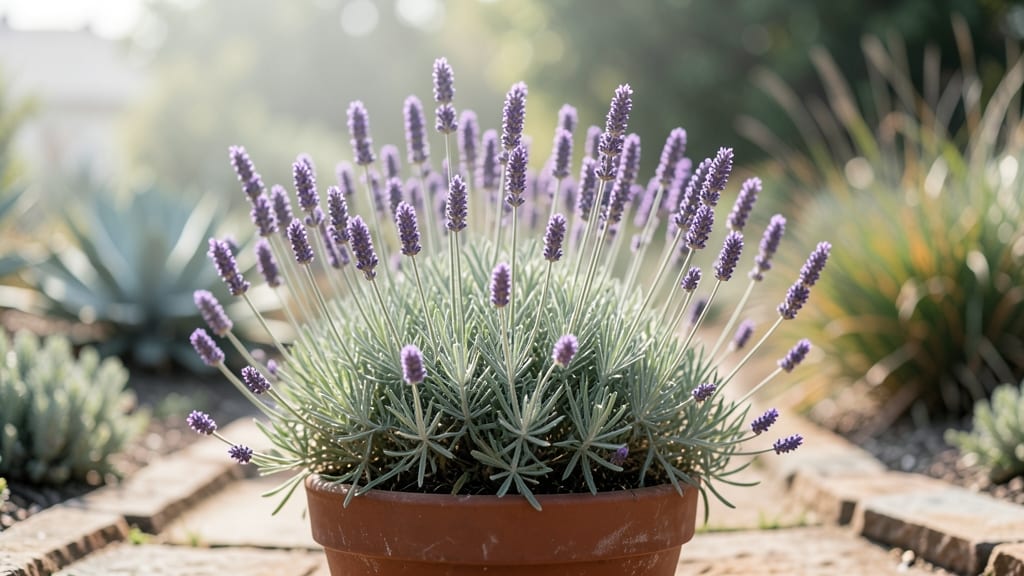
The lavender plant flowering season spans late spring through summer 🌸, but timing varies by region and care—here’s how to align yours with nature’s cues.
If you’ve ever wondered why your lavender plant refuses to bloom—or how to coax those fragrant purple spikes into full glory—you’re not alone. The flowering season of lavender is a delicate balance of timing, care, and environmental cues, and mastering it can transform your garden into a fragrant paradise.
In USDA Zone 6a, expect blooms between June and August, but cooler climates or improper care can push that window later. The key lies in understanding your plant’s needs: full sun, well-drained soil, and minimal interference during dormancy.
Below, I’ll break down the exact timing for your region, the 3 pruning mistakes that kill blooms, and how to stretch your lavender’s show from summer into early fall.
Understanding lavender flowering season: the best time to expect blooms
Lavender plants typically bloom in late spring to early summer, with some varieties extending into mid-fall. The exact timing depends on your USDA hardiness zone, variety, and growing conditions.
In Zones 5-8, most lavenders flower between June and August, while cooler regions may see blooms as early as May or as late as September. Understanding these patterns helps you anticipate—and even influence—when your lavender will burst into fragrant purple spikes.
Not all lavender blooms at the same time. English lavender often flowers slightly earlier than French or Spanish varieties, which may bloom later in the season. Mature plants (2+ years old) typically produce more abundant blooms than younger ones, as they’ve established stronger root systems.
If your lavender is younger than 2 years, it may still be building energy for its first major bloom cycle.
Climate plays a huge role in lavender flowering. Hot, dry summers trigger blooming, while cool, wet springs can delay it. In Mediterranean climates (Zones 7-10), lavender may bloom twice a year—once in spring and again in fall. In cooler northern regions (Zones 3-6), a single summer bloom is more common. Pay attention to your local frost dates, as lavender needs warmth to initiate buds.
To predict when your lavender will bloom, watch for key visual cues. In early spring, look for new green growth at the plant’s base—this signals it’s waking from dormancy. By late spring, you’ll spot tiny green buds forming at the stem tips.
These buds will plump up over 2-3 weeks before opening into flowers. In Zones 7-10, a second flush of buds may appear in early fall after you deadhead the first blooms.
Lavender varieties bloom at slightly different times. English lavender (Lavandula angustifolia) typically blooms earlier (May-June), while Spanish lavender (Lavandula stoechas) often flowers later (July-August). French lavender (Lavandula dentata) falls somewhere in between.
If you’re growing multiple varieties, you can enjoy extended blooming periods from May through September by choosing complementary types.
Your lavender’s age and health directly impact flowering. Young plants (1 year old) may produce only a few small blooms, while mature plants (3+ years old) can cover themselves in fragrant spikes.
If your lavender isn’t blooming, check for over-fertilizing (too much nitrogen), poor drainage, or shade issues. Lavender needs full sun (6+ hours daily) and well-draining soil to thrive. Even a slightly moist soil can stress the plant and delay blooming.
Regional climate affects lavender flowering more than you might think. In arid southwestern regions (Zones 8-10), lavender may bloom earlier and more prolifically due to natural drought conditions. In humid eastern zones (Zones 5-7), blooming might be delayed until midsummer as the plant waits for drier conditions.
If you live in a high-humidity area, improve drainage and avoid overhead watering to mimic lavender’s native Mediterranean environment.
One common misconception is that lavender blooms only once per year. While most varieties bloom once, with proper care, you can encourage a second, smaller flush in late summer or early fall.
After the first blooms fade, deadhead (trim spent flowers) and reduce watering slightly. This signals the plant to redirect energy toward new buds rather
How to trigger lavender blooms: proven techniques for year-round flowering
Lavender's fragrant purple spikes are the crown jewel of any garden, but many growers struggle to coax consistent blooms. The secret lies in understanding lavender's natural triggers—sunlight, water, soil, and pruning all play critical roles.
Unlike many plants, lavender responds best to minimal intervention, especially when it comes to fertilizer and moisture. Let’s dive into the proven techniques that will transform your lavender from a leafy bush into a blooming beauty.
First, recognize that lavender blooms best in full sun, ideally 6-8 hours daily. If your plants are shaded, even partially, they’ll focus energy on leaf growth rather than flowers.
I’ve seen lavender in USDA Zones 5-9 thrive with morning sun and afternoon shade, but the brightest light always wins for blooms. Start by assessing your lavender’s current light conditions—if it’s struggling, relocate it to a sunnier spot immediately.
⚠️ callout warning
Overwatering kills lavender blooms. Lavender is drought-tolerant, and soggy soil signals the plant to conserve energy—often by skipping flowers. Water deeply but infrequently: once every 1-2 weeks in summer, less in winter. Yellowing leaves? You’re likely overwatering. Brown, crispy edges? It’s thirsty but not blooming-worthy yet!
Pro Tip: Test soil moisture by sticking your finger 2 inches deep. If dry, water; if damp, wait. Mulch lightly to retain moisture without suffocating roots.
Next, let’s talk pruning for blooms. Many gardeners prune at the wrong time, which can stunt flowering. Always prune right after blooming, never in spring or fall. Use clean, sharp bypass pruners to trim 1/3 of the plant’s height, focusing on woody stems.
This encourages new growth and signals the plant to produce more buds next season. I prune my English lavender in early July, and it blooms again in September!
Soil conditions are equally critical. Lavender hates rich, fertile soil—too much nitrogen leads to lush leaves but fewer flowers. Amend heavy soils with coarse sand or gravel to improve drainage. A slightly alkaline pH (7.0-8.0) is ideal.
If your soil is acidic, add lime sparingly—lavender is sensitive to overcorrection. I’ve had the best luck with well-draining, rocky soil, mimicking its Mediterranean roots.
Finally, avoid heavy fertilization. Lavender’s natural habitat is nutrient-poor, so it thrives with minimal feeding. A light application of 5-10-10 fertilizer in early spring can help, but skip it in summer. Over-fertilizing is a top reason lavender fails to bloom.
Instead, focus on organic matter like compost around the base—just don’t let it touch the stems. My Spanish lavender blooms prolifically with zero synthetic fertilizer!
With these proven techniques, your lavender will reward you with year-round blooms—or at least multiple flowering cycles per season. Start with sunlight, adjust your watering, prune strategically, and let the soil stay lean.
Your garden will soon be filled with the intoxicating aroma of lavender in full bloom. 🌸