
Flowers
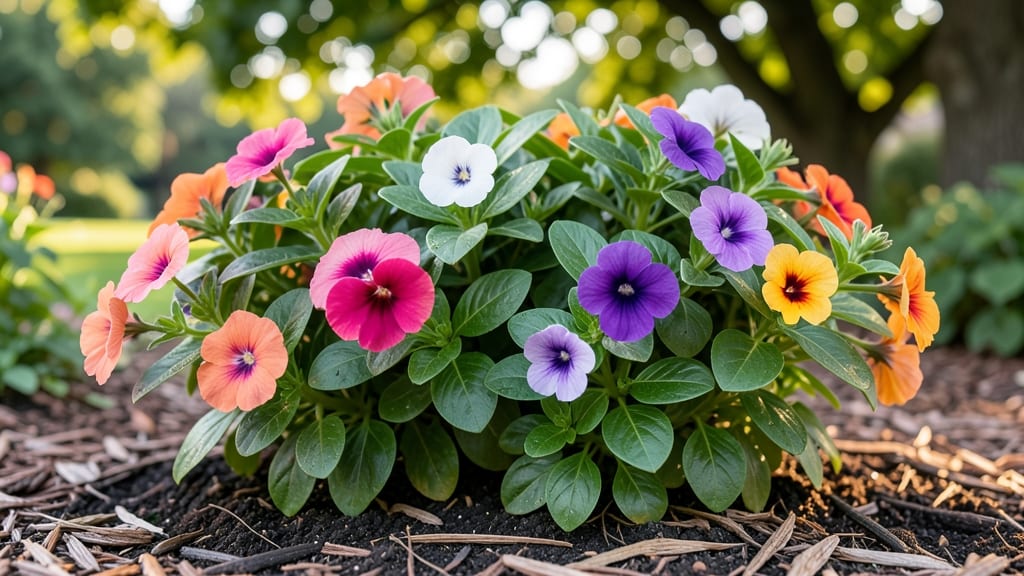
Impatiens flowers thrive in shade but can handle some sun if you pick the right spots 🌸 — the trick is knowing where to draw the line between too much and just enough.
Picture this: your impatiens are bursting with color, but by midday, the leaves start wilting. That’s your cue that the afternoon sun is too intense for their delicate blooms. The good news? With the right placement, you can extend their sun tolerance and enjoy nonstop color all season.
Most gardeners assume impatiens need deep shade, but they actually do best in bright, indirect light—think dappled sunlight under trees or a spot near an east-facing window. In hotter climates, even morning sun can work, but afternoon heat is their enemy.
In this guide, I’ll show you how to read your garden’s microclimates, choose the best varieties for your light conditions, and keep those 🌸 impatiens blooming from June through September—no guesswork required.
 Best Window Placement
Where impatiens flourish: sun vs shade requirements explained
Impatiens—often called Busy Lizzie—are famous for their vibrant blooms and shade tolerance. But here's the secret: they can actually handle some sunlight if you place them just right. The key is understanding their light spectrum and how to adapt to your garden's unique conditions.
Too much direct sun? Faded flowers and scorched leaves. Too little light? Leggy stems and sparse blooms. Let's find that perfect balance for your impatiens flowers.
Most impatiens varieties thrive in partial shade, which means 4-6 hours of filtered light daily.
This could be dappled sunlight under trees or morning sun with afternoon shade. Full sun (6+ hours of direct rays) can overwhelm them, especially in hot climates, while deep shade (less than 3 hours of light) may lead to weak growth.
The trick is matching your garden's microclimate to the right light conditions for impatiens.
Comparison Table: Impatiens Light Requirements
| Light Condition | Daily Sunlight | Best Locations | Growth Result |
|---|---|---|---|
| Full Shade | 0-3 hours | North-facing walls, dense tree canopies | Leggy stems, fewer blooms |
| Partial Shade | 3-6 hours (filtered) | East/west windows, under deciduous trees | Ideal blooms, compact growth |
| Partial Sun | 3-6 hours (direct) | Morning sun + afternoon shade | Vibrant blooms (if acclimated) |
| Full Sun | 6+ hours | South-facing beds (high humidity) | Leaf scorch, faded flowers |
If your garden has morning sun but afternoon shade, impatiens will thrive here. The cool morning light fuels growth without the intense afternoon heat that causes stress. For example, planting them near a west-facing window with sheer curtains creates perfect filtered light conditions.
In hotter climates (Zones 8-10), even partial shade can be too much—opt for dappled sunlight under large trees.
New Guinea impatiens are the most sun-tolerant variety, handling up to 4-6 hours of direct sun if given consistent moisture. Classic Busy Lizzie types prefer shadier spots and may struggle in full sun.
Always check the seed packet or plant tag for specific light recommendations, as some modern hybrids are bred for better sun tolerance. For instance, the 'Super Elfin' series can tolerate more light than traditional varieties.
Microclimates play a huge role in where impatiens perform best. A north-facing garden in a hot climate might get too little light, while a south-facing bed in a cooler region could be perfect. Test your spots by observing how other plants grow: if hostas and ferns thrive, impatiens will too.
If your area gets intense afternoon sun, provide afternoon shade with a lightweight shade cloth (30-50% coverage) to protect delicate foliage.
Seasonal changes also affect impatiens' light needs. In spring and fall, when sunlight is gentler, they can handle more direct light. But during summer's peak heat, even partial sun can become too harsh.
If you notice yellowing leaves or drooping flowers, it's a sign they need more shade. Conversely, pale leaves or long, bare stems mean they're not getting enough light—try moving them to a brighter spot gradually to avoid shock.
For container gardeners, choose pots with light-colored surfaces to reflect excess heat and keep roots cooler. Terracotta pots help wick away moisture, which is crucial for impatiens in sunny spots.
If growing in hanging baskets, place them where they get morning sun and afternoon shade—this mimics their natural understory habitat and prevents wilting. Remember, impatiens are tropical plants that prefer humidity, so containers dry out faster in sun.
One common mistake is assuming all shade is equal. Deep, dense shade (like under evergreens) can starve impatiens of light, while light, filtered shade (like under deciduous trees) is ideal.
If you have limited shade options, consider using reflective mulch or white gravel around plants to bounce extra light onto their leaves. This simple trick can boost blooms by up to 30% in low-light areas.
Pro tip: If you love the look of impatiens but have a sunny garden, try planting them near tall perennials like foxglove or delphiniums. These provide natural shade while adding height and texture to your flower beds. For maximum impact, pair impatiens
5 Pro tips to grow impatiens in sun or shade successfully
Impatiens are the unsung heroes of shade gardens, but they can also handle some sunlight if you follow the right strategies. The key is understanding how to adjust their care based on light exposure.
Whether you're dealing with bright indirect light or hot afternoon sun, these tips will help your impatiens thrive all season.
First, never assume all impatiens are the same. New Guinea impatiens tolerate more sun than classic Busy Lizzie varieties. Start by choosing the right cultivar for your garden's light conditions. This simple step can mean the difference between vibrant blooms and struggling plants.
🌱 5 Pro Tips for Sun or Shade Success
- 🌿 1. Gradual Sun Exposure: Acclimate impatiens to sun by moving them gradually from shade to partial sun over 1-2 weeks to prevent leaf scorch.
- 💧 2. Soil Moisture Matters: In sun, water daily to keep soil consistently moist—impatiens wilt quickly when drought-stressed.
- ☀️ 3. Morning Sun Only: Place impatiens where they receive morning sun and afternoon shade to avoid heat damage.
- 🌳 4. Mulch for Protection: Apply 2-3 inches of mulch to retain moisture and shield roots from temperature fluctuations.
- 🌷 5. Companion Plants: Pair with hostas or ferns to create natural shade and reduce wind exposure.
For sun-exposed impatiens, focus on morning sunlight and afternoon shade. If your garden has hot afternoon sun, consider using shade cloth (30-50%) to filter light while still allowing enough brightness for blooms. This hybrid approach works wonders in partial sun gardens.
Troubleshooting is easier when you know the signs. Leaf scorch (brown edges) means too much sun, while leggy growth signals insufficient light. Adjust their placement or shade accordingly. Regularly pinch back leggy stems to encourage bushier, more compact growth with more flowers.
Don’t forget about seasonal adjustments. In summer, impatiens in sun may need extra water and evening shade, while in spring, they can handle more light as temperatures rise. With these tips, your impatiens will reward you with nonstop color from spring to frost.
🌸