
Blooming
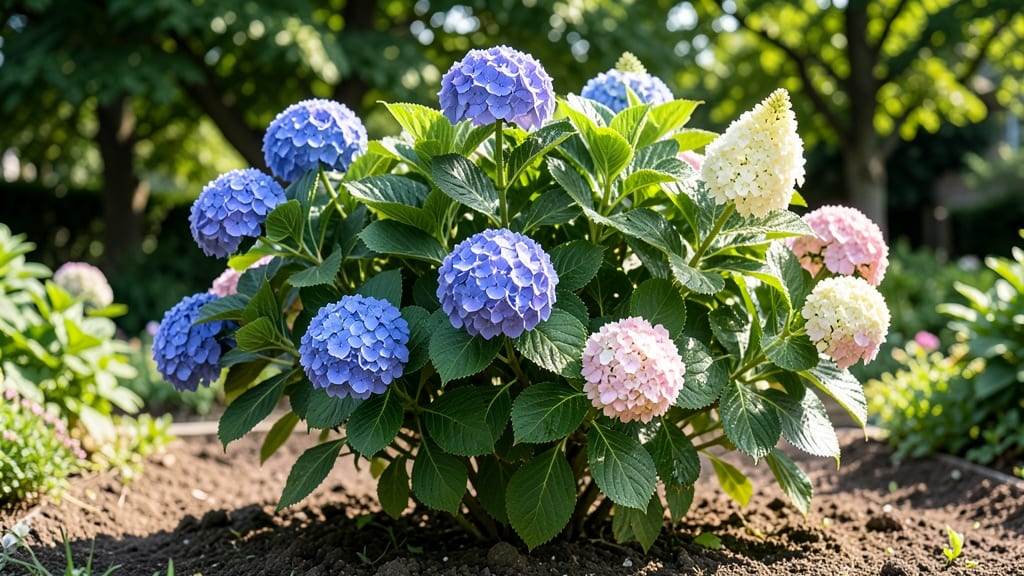
Hydrangeas bloom at their peak flower time between June and September 🌸, but the exact months depend on the variety and where you garden.
If you’ve ever wondered why your hydrangeas bloom at different times—or why some varieties seem to miss their window entirely—timing is everything. The secret to stunning hydrangea displays lies in understanding their exact flowering seasons, which vary dramatically by type.
For example, mophead hydrangeas typically burst into color in late June or July, while panicle varieties often wait until August or September. Oakleaf hydrangeas, on the other hand, start blooming as early as June and can last well into fall.
In this guide, I’ll break down the exact blooming windows for the most popular hydrangea varieties, plus the simple adjustments you can make to coax earlier or longer blooms—no matter your USDA zone.
Hydrangea flower time by variety: exact months for peak blooms
Timing is everything when it comes to hydrangea blooms, and each variety has its own peak flowering window. Understanding these schedules helps you plan your garden for maximum impact.
For example, early bloomers like Oakleaf hydrangeas burst into color in late spring, while late-season varieties like Panicle hydrangeas extend the show into fall. Regional adjustments for USDA zones 5-9 ensure you're ready when buds open.
Most hydrangeas bloom between June and September, but the exact timing depends on the variety and your climate. Bigleaf hydrangeas typically flower in mid-to-late summer, while Oakleaf varieties often start earlier.
Even within the same type, blooming can shift by 2-4 weeks depending on whether you're in Zone 5 or Zone 9. Let's break down the exact months for each popular variety.
| Variety | Peak Bloom Time (USDA 5-9) | Bloom Duration | Notes |
|---|---|---|---|
| Bigleaf (Mophead) | Mid-July to August | 6-8 weeks | Old wood bloomer; prune after flowering |
| Bigleaf (Lacecap) | Late June to July | 5-6 weeks | Old wood bloomer; reblooms lightly |
| Panicle (e.g., 'Limelight') | August to October | 8-10 weeks | New wood bloomer; prune in late winter |
| Oakleaf | Late May to June | 4-6 weeks | Early bloomer; old wood bloomer |
| Smooth | June to July | 4-5 weeks | Old wood bloomer; drought-tolerant |
| Mountain | July to August | 6 weeks | Old wood bloomer; thrives in cooler climates |
| Reblooming Bigleaf (e.g., 'Endless Summer') | June to September | 12+ weeks | New and old wood bloomer |
| Panicle (e.g., 'Little Lime') | July to September | 7-8 weeks | Compact variety; new wood bloomer |
| Oakleaf (e.g., 'Snow Queen') | Late May to June | 5-6 weeks | White blooms; fall foliage turns red |
| Smooth (e.g., 'Annabelle') | June to July | 4-5 weeks | Large white blo
Why your hydrangeas aren’t blooming on time (and how to fix it)Hydrangeas are famous for their dramatic blooms, but when they don’t follow their usual flower time, it’s often due to care mistakes we make without realizing it. I’ve seen delayed blooms in my own garden from simple oversights like wrong pruning timing or soil pH imbalances. The good news? Most issues have quick fixes that bring back those show-stopping clusters. First, let’s address the most common culprits: light exposure, watering habits, and pruning errors. Hydrangeas are sensitive plants, and even small adjustments can shift their blooming schedule by weeks. For example, my Bigleaf hydrangeas once bloomed a full month late because they were getting too much afternoon sun—once I moved them to morning light only, their timing snapped right back. ⚠️ WARNING: Common Mistakes Delaying Hydrangea Blooms ⚠️ ⚠️ Pruning at the Wrong TimeCutting back old wood bloomers (like Endless Summer varieties) after mid-June removes next year’s buds. New wood bloomers (like Panicle hydrangeas) need pruning in late winter—any other time risks stunted blooms. ⚠️ Soil pH Below 5.5Blue hydrangea flowers? Your pH is likely too high. Aim for 5.2-5.5 for pink blooms or 5.6-6.2 for blue. Test your soil—it’s the #1 reason for weak or delayed blooms. ⚠️ Inconsistent WateringHydrangeas need 1-2 gallons of water every 3-5 days. Drought stress causes buds to drop, while soggy roots rot them before they open. Mulch heavily to retain moisture. Let’s troubleshoot step by step. Start by checking your hydrangea variety—some bloom on old wood (last year’s growth), while others rely on new wood. My Oakleaf hydrangeas bloom on old wood, so I prune them right after flowering to avoid cutting off next year’s buds. If you’re unsure, snap a photo and compare it to a hydrangea blooming guide. Next, examine your soil conditions. Hydrangeas thrive in acidic, well-draining soil with organic matter. If your soil is compacted or alkaline, amend it with peat moss or sulfur to lower pH. I once had pale, sparse blooms until I added cottonseed meal—a natural acidifier. For a quick test, use a soil pH kit (they’re under $10 and save hours of guesswork). Don’t overlook fertilizer timing. Too much nitrogen early in the season encourages leafy growth over flowers. Instead, use a balanced 10-10-10 fertilizer in early spring and again after blooming. My Panicle hydrangeas now produce larger clusters because I switched to a phosphorus-heavy feed (like 5-10-5) in late spring to boost flowering. Finally, watch for pests and diseases like hydrangea gall mite or powdery mildew, which weaken plants and delay blooms. Neem oil or baking soda spray (1 tsp per quart of water) can prevent mildew. If you spot chewed leaves or stunted growth, treat immediately—these issues often show up before bloom time. |