
Blooming
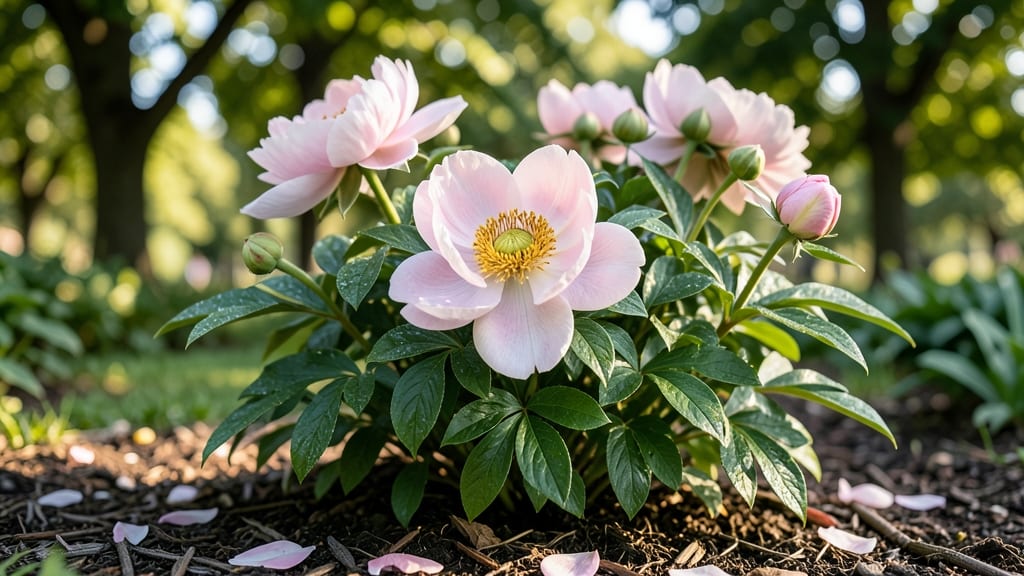
The peony flower time is a magical window in late spring to early summer, transforming gardens into a fragrant sea of 🌸 with their velvety blooms.
But here’s the catch: their exact flowering time shifts dramatically depending on your USDA zone—miss the window, and you might end up with a garden full of leaves and no showstopping blooms.
Whether you’re in chilly Zone 3 or balmy Zone 9, knowing the right months to expect those iconic blooms—and how to coax them to last longer—can mean the difference between a brief flash of color and weeks of vibrant beauty.
Below, I’ll break down the precise bloom months by zone, share the best care tricks to extend their season, and reveal the top peony varieties that defy the rules for earlier or longer flowers.
Peony bloom time by USDA Zone: exact months for peak flowers
Peonies burst into bloom like nature's fireworks, but their peak flower time shifts dramatically depending on your USDA hardiness zone. Whether you're in Zone 3's icy north or Zone 9's mild south, knowing these exact months ensures you won't miss their showstopping displays.
In colder zones, expect blooms as early as late April, while warmer climates may see them peak in June. Let's break down the precise timing so you can plan your garden's star moment.
Understanding these bloom windows helps you choose the right peony varieties for your region. Early bloomers like 'Sarah Bernhardt' thrive in cooler zones, while late-season varieties such as 'Bowl of Beauty' shine in warmer areas.
The difference between Zone 5 and Zone 8 can mean a month-long shift in your garden's highlight reel. Let's explore how to time your peony planting and care for maximum impact.
In USDA Zones 3-4, peonies often bloom late May to early June when frost danger has passed. These northern gardens experience shorter bloom windows due to cooler temperatures, so timing your spring fertilization in early April becomes critical.
Planting early blooming varieties like 'Duchesse de Nemours' ensures you catch those first rosy blossoms before summer heat arrives.
Gardeners in Zones 5-6 enjoy the classic mid-May to late May bloom period, making this the prime peony zone for most varieties. This is where herbaceous peonies truly shine, with 3-4 week bloom cycles if properly cared for.
The key here is consistent moisture during bud formation in April, as drought stress can delay or reduce flowering.
Southern gardens in Zones 7-8 get an earlier show, with blooms stretching from April to mid-May. The longer growing season allows some varieties to produce second flushes of blooms in late summer.
However, heat stress after June 1st can cause buds to brown before opening, so afternoon shade becomes beneficial in these warmer climates.
The mildest zones (9 and above) offer the earliest blooms, often starting as early as February for hardy varieties. This extended season means you can enjoy peony flowers year-round with careful variety selection.
However, tree peonies perform better in these zones than herbaceous types, which may struggle with summer heat and require afternoon shade.
Regional variations within zones also matter. For example, Zone 5 gardeners in Minnesota may see blooms 2 weeks later than those in New York due to later frost dates. Similarly, Zone 7 gardens in Arizona will bloom earlier than those in Georgia because of drier climates.
Always check your local last frost date when planning your peony care schedule.
To maximize your peony's bloom time, pay attention to bud formation which begins in late summer of the previous year. Providing balanced fertilizer in September and adequate water during this period sets the stage for next year's showstopping flowers.
In Zones 3-5, apply a 4-inch layer of mulch in November to protect roots from
How to extend peony bloom season: pruning and care tips
Peonies are famous for their lush, fragrant blooms, but many gardeners miss their full potential because they don't know how to maximize bloom duration. With the right pruning techniques and seasonal care, you can stretch those stunning flowers by 1-2 weeks or more.
The key is understanding when and how to cut back, feed, and protect your plants throughout the year.
First, let's tackle the most common mistake: pruning at the wrong time. Many gardeners trim their peonies after they've finished blooming, but this can actually shorten future flower time.
Instead, focus on deadheading spent blooms and winter mulching to preserve energy for next year's show. These small adjustments make a huge difference in your peony's performance.
🌸 Peony Flower Time Pro Tip:
For longer blooms, deadhead only after petals fully open—never cut green buds. This forces energy into existing flowers rather than new buds. In USDA Zones 3-5, add 3-4 inches of mulch in late fall to insulate roots and encourage earlier spring growth.
✂️ Key Cutting Rule: Never prune peony foliage until it browns naturally in fall—this feeds next year's blooms!
Let's start with deadheading, the simplest way to extend bloom time. As soon as a peony flower fades, snip the entire spent bloom down to the first set of healthy leaves.
This prevents seed formation and redirects the plant's energy into existing buds rather than new ones. For herbaceous peonies, this means you'll often see secondary blooms later in the season.
For tree peonies, the approach differs slightly. These varieties bloom on old wood, so avoid heavy pruning. Instead, trim back only the oldest canes in late winter to encourage new growth.
In both cases, sterilize your pruners with rubbing alcohol between cuts to prevent disease spread. This small step keeps your peonies healthier longer.
Don't overlook winter care—this is when you set the stage for next year's blooms. After the first hard frost, apply a 4-6 inch layer of mulch around your peonies. Use straw or shredded leaves for best results, as they insulate roots while allowing moisture to penetrate.
In Zone 6 and colder, consider adding a thick layer of evergreen boughs for extra protection during extreme cold snaps.
Finally, adjust your sunlight exposure based on your zone. Peonies need 6-8 hours of sun daily, but in hotter climates (Zones 8-9), they may benefit from afternoon shade to prevent stress.
If your peonies aren't blooming well, check their location—partial shade can delay flowering by 1-2 weeks. For maximum impact, combine these tips with balanced fertilization in early spring and you'll enjoy peony blooms that last weeks longer than average.
With these simple yet effective strategies, your peonies will reward you with a prolonged, show-stopping display every spring. The best part? These techniques work for both herbaceous and tree peonies, so you can apply them to your entire collection. Happy pruning!