
Shrubs
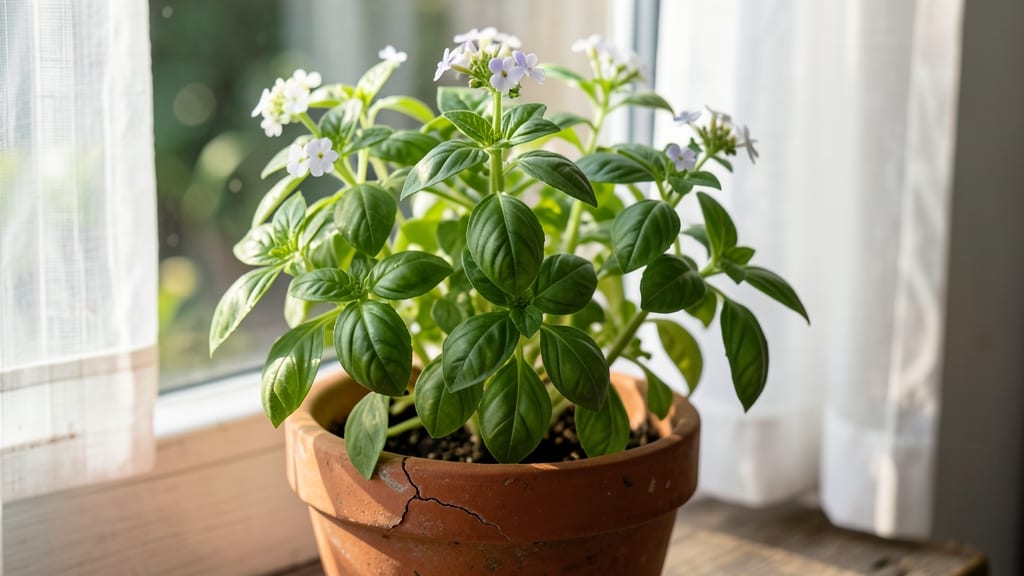
Telling if basil is flowering is all about spotting those tiny white or purple buds 🌿 — and acting fast to save your harvest.
If your basil plants are suddenly producing small flowers, your harvest is about to take a sharp turn for the worse. Flowering basil means bitter leaves and wasted energy, but spotting the signs early can save your garden.
The key is catching it before the buds open fully, when pruning still works.
Flowering isn’t just about aesthetics—it signals your basil is shifting focus from leaves to seeds. That bitter flavor? A chemical shift to protect the plant’s reproductive cycle. The good news? You can reset growth with the right pruning technique, and I’ll show you exactly how in 3 simple steps.
Below, I’ll walk you through visual cues (like elongated stems and leaf changes), why flowering happens, and how to manage it for a longer, sweeter harvest. No jargon, just actionable tips for gardeners at every level.
Visual signs of flowering basil: what to look for in leaves and stems
Spotting flowering basil early is key to maintaining sweet, tender leaves for your kitchen. The first visual clue appears in the leaf shape—when basil starts flowering, the leaves often become smaller and less vibrant, signaling the plant is redirecting energy toward reproduction instead of leaf growth.
This shift happens gradually, so regular inspections are a must.
Pay close attention to the stem elongation—flowering basil grows taller and leggier as it prepares to bloom. You’ll notice stems stretching upward more aggressively, sometimes reaching 2-3 feet tall in just a few weeks.
This rapid growth is your plant’s way of reaching sunlight for its flowers. Genovese basil, in particular, shows this elongation most dramatically.
Here’s a quick visual guide to help you identify flowering stages in your basil plants, including color cues for common varieties:
The flower buds are the most obvious sign of flowering basil. They start as tiny, barely noticeable bumps along the stem tips, often hidden among the leaves. These buds will grow rapidly into small clusters of flowers, typically white, purple, or pink, depending on your basil variety.
If you see these buds, act quickly—once flowers open, your basil’s flavor will turn bitter.
Another telltale sign is the change in leaf texture. Healthy basil leaves are thick, glossy, and soft to the touch. As flowering approaches, the leaves may feel thinner and slightly waxy, almost like they’re preparing to shed.
This texture change is subtle but noticeable if you handle your plants regularly. Thai basil often shows this texture shift first.
Don’t ignore the growth pattern—flowering basil grows in a more vertical, sparse habit rather than its usual bushy form. If your basil suddenly looks "stringy" with long stems and few leaves, it’s likely shifting its energy toward flowering.
This is your cue to prune aggressively to redirect growth back to leaf production.
For container-grown basil, flowering signs appear even faster due to limited root space. Check the stem base for tiny flower buds hiding near the soil line—these are often missed but critical to catch early.
In containers, stems may also lean dramatically as they stretch toward light sources like windows or grow lights.
If you’re growing basil indoors near a south-facing window, watch for buds forming on the uppermost leaves first. These leaves receive the most light, triggering the flowering response. Removing these top leaves immediately can delay flowering by 2-3 weeks, giving you more harvest time.
Remember, flowering basil isn’t a death sentence—it’s a signal to take action. By recognizing these visual cues early, you can prune back the flowers and reset your plant’s growth cycle. The key is consistent monitoring, especially during peak growing months when basil matures quickly.
How flowering affects basil taste and growth (and how to fix it)
When your basil starts flowering, it’s not just a pretty sight—it’s a signal that your plant is shifting its energy. The moment those tiny white or purple flowers appear, your basil’s focus switches from producing sweet, flavorful leaves to creating seeds.
This energy shift directly impacts taste, making leaves bitter and tough, and stunts overall growth. Understanding this process is key to saving your harvest before it’s too late.
Flowering basil is a natural part of its lifecycle, but for gardeners who prioritize leaf production, it’s a major setback. The plant’s hormones redirect nutrients toward seed development, leaving your leaves with a harsh, bitter flavor that’s far from the sweet, aromatic taste you love.
Worse yet, flowering can make stems woody and reduce your plant’s vigor, cutting your harvest short. The good news? With the right pruning techniques, you can reset your basil’s growth cycle and restore those tender, flavorful leaves.
How to Tell If Basil Is Flowering
Flowering basil often starts with small buds at the stem tips or leaf axils. Look for these key signs:
- Tiny white or purple flowers (1/4 inch wide) emerging from leaf junctions.
- Elongated stems with a leggy appearance, signaling the plant is stretching toward light.
- Smaller, darker leaves near the flower buds, as the plant redirects energy.
- Bitter taste when leaves are harvested, even if the plant looks healthy.
To fix flowering basil, you’ll need to prune aggressively to remove the flower buds and redirect the plant’s energy back to leaf production. Start by identifying the main stem and any side branches with buds.
Use clean, sharp pruning shears to snip just above a set of leaves or a leaf node. This encourages the plant to grow new, leafy branches from those nodes, restoring its focus on foliage rather than flowers.
The best time to prune is in the morning, when the plant is hydrated and ready to bounce back.
After pruning, give your basil some extra care to help it recover. Water the plant deeply at the base to reduce stress, and avoid wetting the leaves to prevent fungal issues. Within 7-10 days, you should see new growth emerging from the pruned areas.
To further encourage leaf production, consider moving your basil to a shadier spot for a few days—this can slow down the flowering process and help the plant redirect its energy. However, ensure it still gets at least 4-6 hours of sunlight daily to maintain healthy growth.
For long-term success, make pruning a regular part of your basil care routine. Check your plants weekly for new flower buds and prune them immediately. This proactive approach keeps your basil focused on leaf production and ensures a steady supply of sweet, flavorful leaves all season long.
With consistent care, your basil will thrive, and you’ll enjoy a bountiful harvest without the bitterness of flowering.
Remember, flowering isn’t the end of your basil’s life—it’s just a phase you can manage. By staying vigilant and acting quickly, you’ll keep your plants productive and delicious. Happy pruning! 🌿