
How To
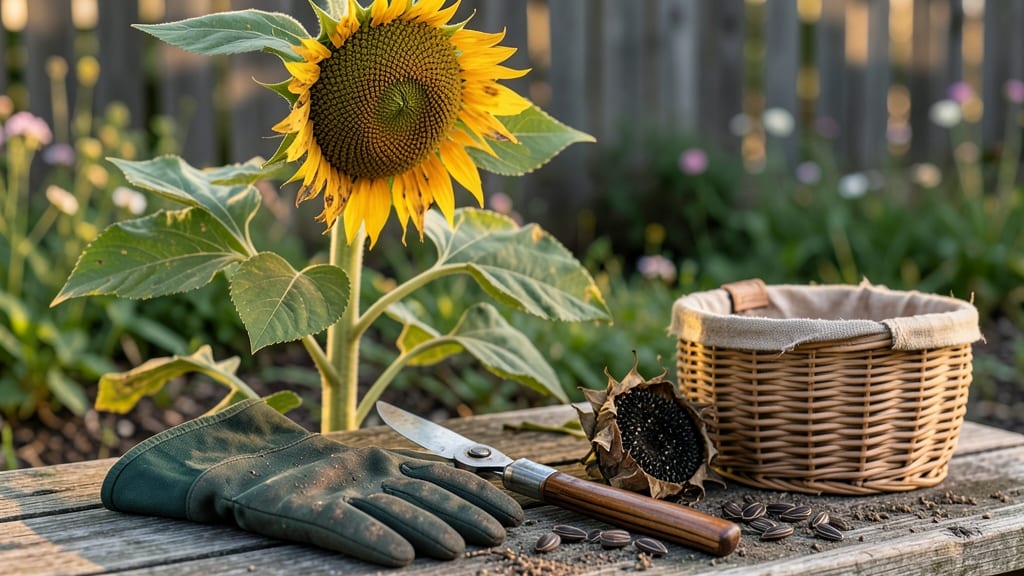
Knowing when to harvest sunflower seeds 🌻 is all about timing—wait too long, and birds will snatch them first; pick too early, and you’ll end up with bitter, unusable seeds.
Sunflowers are a gardener’s pride—until you miss the perfect moment to harvest their seeds, leaving you with bitter, inedible blooms. The key is watching for the right visual cues, like a dry, brown seed head and seeds that easily pop out when you rub them between your fingers.
Most sunflowers reach harvest readiness between 85 and 120 days after planting, typically in late summer or early fall, depending on your USDA zone. In Zone 6a, that usually means late August to early September, but regional variations can shift the window by a few weeks.
Below, I’ll walk you through the back-of-hand test, seed color changes, and other foolproof ways to tell when your sunflowers are ready—so you can enjoy a bountiful harvest without the guesswork.
The back-of-hand test: how to check sunflower seed ripeness
Harvesting sunflower seeds at the perfect moment ensures sweet, flavorful seeds perfect for snacking or oil extraction. The back-of-hand test is my go-to trick for determining ripeness without guesswork. This tactile method helps you feel the subtle changes in the seed head that signal readiness.
Whether you're growing oilseed varieties like 'Mammoth' or snacking types like 'Autumn Beauty,' this test works for all sunflowers.
Before you reach for the pruners, understand that sunflower seeds mature in stages. The seed color changes from green to brown, but the real magic happens when the head's texture transforms. The back-of-hand test lets you feel these changes directly, giving you a precise harvest window.
For oil seeds, you might harvest slightly earlier than for snacking seeds, as oil content peaks just before full maturity.
Here’s how to perform the test: Gently press the back of your hand against the seed head’s underside. If it feels dry, papery, and slightly rough—like crumpled brown paper—your seeds are ready. If it still feels moist or slightly springy, wait a few more days.
This method works best in the late summer to early fall, typically 85–120 days after planting, depending on your variety and climate.
Step-by-Step: How to Know When to Harvest Sunflower Seeds
- Step 1: Observe Seed Head Color
Look for a fully brown backside of the seed head. Green or yellow patches mean the seeds aren’t ready. - Step 2: Perform the Back-of-Hand Test
Press your hand against the underside of the seed head. It should feel dry and papery, not moist or firm. - Step 3: Check for Petal Drop
The yellow petals should have fallen off naturally. If they’re still attached, wait 3–5 more days. - Step 4: Listen for a Rattle
Gently shake the seed head. If seeds rattle inside, they’re ready for harvest. - Step 5: Test Seed Release
Rub two seeds between your fingers. If they separate easily, they’re perfect for harvesting.
The back-of-hand test is especially useful for distinguishing between oilseed and snacking varieties. Oilseed sunflowers, like 'NuSun,' should be harvested when the back turns golden-brown, while snacking types like 'Russian Giant' need a deeper brown hue.
For oil extraction, aim for a slightly earlier harvest to maximize oil content, but don’t rush—overly green seeds will yield bitter oil.
Watch for bird activity as another clue. If birds are pecking at your sunflower heads, your seeds are likely ripe and ready. However, don’t wait too long—once birds start stripping the seeds, your harvest will be compromised.
Cover the heads with garden netting if birds are a persistent problem in your area.
Regional climate plays a role in harvest timing. In warmer southern climates, sunflowers may mature faster, while cooler northern regions might see a delayed harvest. Adjust your expectations based on your USDA zone.
For example, in Zone 5, you might harvest in early September, while Zone 9 gardeners could be picking seeds as late as October.
Once you’ve confirmed ripeness, harvest the seeds by cutting the seed head from the stem and hanging it upside down in a dry, well-ventilated space. This allows the seeds to fully dry and release from the head.
Avoid harvesting on rainy days, as moisture can cause mold or spoilage. After a week or two, the seeds will be ready for shelling and storage.
Store harvested seeds in a cool, dark place like a glass jar or airtight container. Proper storage prevents pests and maintains freshness for up to a year. Label your seeds with the harvest date and variety to keep track of their maturity and quality over time.
Mastering the back-of-hand test ensures you never miss the perfect harvest window again. With practice, you’ll develop an intuitive sense for when your sunflower seeds are at their peak. Happy harvesting! 🌻
Sunflower seed color guide: what shades mean for harvest timing
Sunflower seeds change color dramatically as they mature, and these visual cues are your best friends for timing harvests correctly. Early in the season, seeds start bright green and firm—this is when they’re still growing and far from edible.
As summer progresses, the seeds darken and soften, signaling they’re nearing harvest readiness. Understanding these color transitions helps you avoid bitter seeds or waiting too long for birds to feast first.
In USDA Zone 6a (like much of the Midwest), seeds typically transition from green to brown between late August and early October. However, warmer climates like Zone 9b may see this shift as early as July, while cooler regions like Zone 4a might delay it until October.
Adjust your expectations based on your local frost dates and growing season length.
| Seed Color | Stage | Harvest Readiness | Action |
|---|---|---|---|
| Bright Green | Early Growth | Not Ready | Wait 4–6 weeks |
| Yellow-Green | Maturing | Not Ready | Monitor daily |
| Tan/Brown | Nearly Ready | Check dryness | Harvest in 3–5 days |
| Dark Brown/Black | Fully Mature | Ready to Harvest | Collect immediately |
Pay close attention to the back of the seed head, where the papery bracts (the dry, papery structures) turn from green to tan or brown. This is your primary indicator that seeds are maturing.
If the bracts are still green, the seeds inside are likely underdeveloped and will taste bitter. Conversely, if the entire head turns dark brown or black, seeds may be overripe and prone to cracking or attracting pests.
Regional climate plays a huge role in seed color progression. In hot, dry climates (like Arizona or California), seeds may dry out faster, turning brown earlier. In humid areas (such as the Southeast), moisture can delay browning, so keep an eye out for mold risk.
If you notice dark spots or softness on the seed head, harvest immediately to prevent spoilage.
For oil-rich seeds, aim to harvest when the back of the head is tan-brown but still slightly firm. For snacking seeds, wait until the head is fully dark brown or black and the seeds rattle when shaken.
This ensures maximum flavor and crunch. If you’re unsure, perform the back-of-hand test—press gently against the seed head. If it feels dry and papery, it’s ready for harvest.
Don’t forget to adjust for late-season frosts. In colder regions, protect your sunflowers with row covers if frost threatens before seeds fully mature. Even a light frost can prematurely dry out the seed heads, making them brittle and prone to shattering.
Harvest before the first frost to ensure you don’t lose your crop to cold damage or hungry wildlife.