
How To
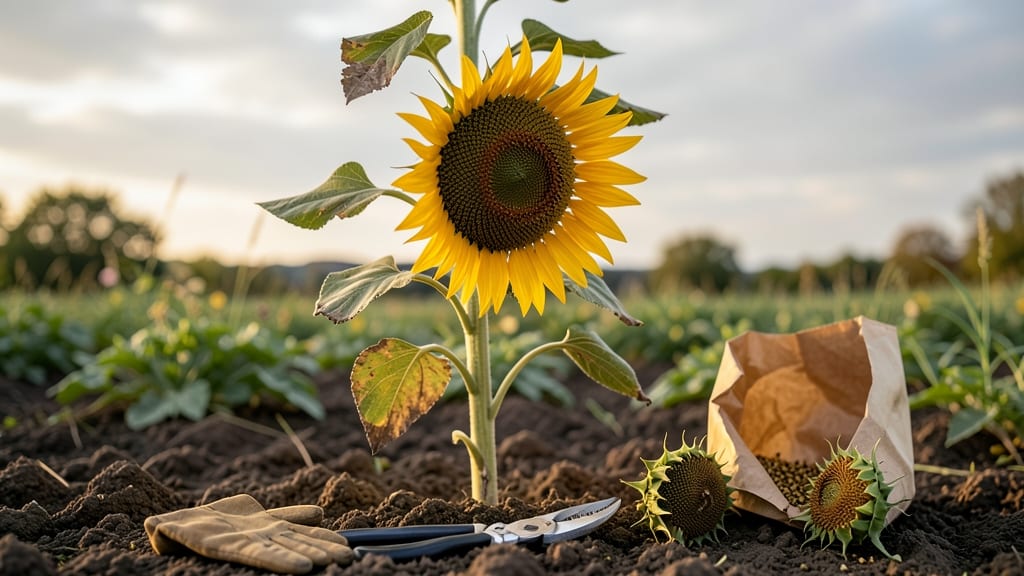
Knowing when sunflower seeds are ready to harvest saves you from bitter, shriveled kernels and ensures you get plump, flavorful seeds for snacking or planting.
Picture this: you’ve nurtured your 🌻 sunflowers all season, only to pick the seeds too early—and end up with a batch that’s either too soft or already attracting squirrels. The trick lies in spotting the three key visual cues that most gardeners overlook.
From the moment the petals drop to the moment the seed head turns a crisp brown, timing is everything. Miss it, and you risk losing your harvest to birds or weather. Get it right, and you’ll walk away with seeds that store well and sprout beautifully next year.
Below, I’ll walk you through the exact signs to watch for—plus the best time of day to check—and how to test ripeness with just your hands. No guesswork, just foolproof results.
3 Key visual signs sunflower heads are ready for harvesting
Sunflowers are one of the most rewarding plants to grow, but knowing exactly when to harvest those seeds can be tricky. Miss the window, and you’ll end up with underdeveloped kernels that taste bitter or overripe seeds that shatter easily.
The good news? Mother Nature gives you clear visual cues—you just need to know what to look for. Here’s how to spot the perfect moment to harvest sunflower seeds using three foolproof signs.
First, pay attention to the petals. When sunflowers are ready for harvest, their yellow petals will naturally dry and fall off. This isn’t just wilting—it’s a complete detachment, often leaving behind a brown, papery base.
If petals are still vibrant or only slightly wilted, the seeds aren’t ready yet. This petal drop is your first green light that the seeds inside are maturing.
Next, examine the back of the seed head. As sunflowers mature, the green bracts (the leafy bits covering the seeds) will turn a dull yellow-brown. This color change signals that the seeds inside are plump and fully developed.
If the back remains green, the seeds are still growing. Pro tip: Gently squeeze the head—if it feels firm and the seeds rattle inside, that’s another sign of readiness.
The third key sign is the firmness of the seed head. A ready-to-harvest sunflower head should feel solid and heavy for its size. If you press your fingertip against the back, it should leave no indentation.
Overripe heads, on the other hand, become brittle and hollow-sounding when tapped—an indication the seeds have dried out too much and lost viability. This is why timing is everything!
For dwarf varieties (like 'Teddy Bear' or 'Moulin Rouge'), the signs are slightly more subtle because their heads are smaller. Look for petals curling inward and a softer rattle when shaken.
These varieties mature faster, so check them every 2-3 days once the petals start drooping. Missing the window with dwarf sunflowers means you’ll have to wait for next season!
One common mistake is harvesting based on flower color alone. Just because the petals are brown doesn’t mean the seeds are ready—some varieties (like 'Autumn Beauty') have multi-colored petals that stay vibrant longer.
Always combine all three signs: petal drop, color change, and firmness. If two out of three aren’t met, wait another day or two.
Pro tip: Harvest on a dry morning after the dew has evaporated. This prevents mold and makes it easier to remove seeds cleanly. Cut the head off the stem with clean pruners, leaving a 1-inch stem attached.
Hang the heads upside down in a dry, dark place (like a garage or barn) for 2-3 weeks to fully dry before shelling.
If you miss the harvest window, don’t worry—sunflowers are perennial in warm climates (USDA zones 9-11) and will re-sprout from the roots if cut back. But for the best seeds, act fast once you spot those yellow-brown bracts and fallen petals.
That’s your golden ticket to flavorful, homegrown sunflower seeds! 🌾
How to test sunflower seed ripeness: the squeeze and tap method
When your sunflower heads start turning brown, it’s tempting to harvest right away—but rushing can leave you with bland, underdeveloped seeds. The secret to perfect seeds lies in two simple tests: the squeeze method and the tap method.
These techniques help you confirm ripeness without guessing, ensuring your seeds are plump, flavorful, and ready for storage.
First, let’s talk about the squeeze test. Gently press the back of your hand against a sunflower seed head. If the head feels firm like a baseball and doesn’t dent easily, the seeds inside are likely mature.
If it feels soft or spongy, wait 1-2 weeks—the seeds need more time to develop. This test works best on dry, sunny days when moisture won’t interfere with your assessment.
Next, try the tap method. Hold the seed head over a paper bag and give it a firm tap with your knuckles. If the seeds inside rattle loudly and a few fall out, they’re ready.
A dull thud or silence means they’re not quite there yet. This method is especially useful for tall varieties where reaching the top is tricky—just listen for that telltale sound!
⚠️ Warning: Common Mistakes to Avoid
- Harvesting too early: Seeds will be soft, pale, and bitter. Wait until the head is fully brown and dry.
- Ignoring weather: Rain or high humidity can delay ripening. Harvest on dry, sunny mornings for best results.
- Skipping the tap test: Visual cues alone can be deceptive. Always verify with sound and firmness.
Timing is everything, so don’t wait until the first frost threatens. If you’re in USDA Zone 6a or colder, aim to harvest by early October. Cut the seed head with 2-3 feet of stem attached—this makes drying easier.
Hang the heads upside down in a well-ventilated, dry space for 1-2 weeks to finish ripening.
Once the seeds are fully dry, rub the head between your hands to dislodge the seeds. Store them in a paper bag or glass jar in a cool, dark place for up to 6 months.
Properly harvested seeds should be dark, plump, and crack easily when bitten—proof of a job well done!
Pro tip: If you’re growing multiple varieties, label your seed heads before harvesting. Some types, like giant sunflowers, take longer to mature than dwarf varieties. Keeping track ensures you don’t miss the perfect harvest window for any of them.
With these two simple tests, you’ll never second-guess whether your sunflower seeds are ready again. Happy harvesting—your future snacks (or next year’s garden!) will thank you. 🌻