
Flowers
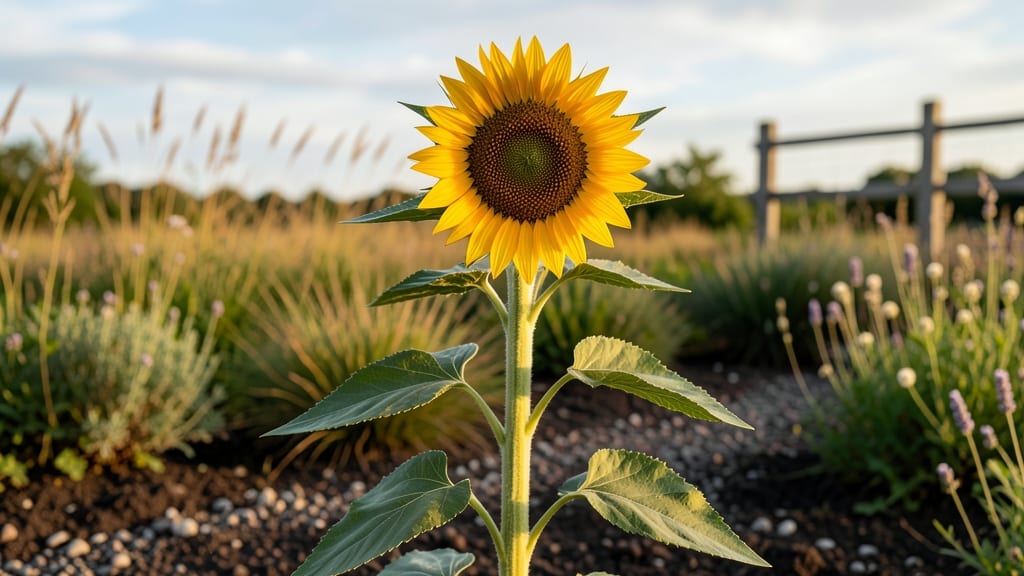
How tall do sunflowers grow?—from just 1 foot to over 16 feet, depending on the variety you choose—so the right pick turns your garden into a sunlit skyline or a cheerful border.
Picture this: a giant sunflower 🌻 towering above your fence, its petals catching the afternoon light like a golden spotlight, while a dwarf variety sits happily in a pot on your patio.
The difference isn’t just in their stature—it’s in how they transform your space, whether you’re dreaming of a dramatic focal point or a low-maintenance addition.
Tall varieties like ‘Mammoth’ or ‘Russian Giant’ can reach 12 to 16 feet, making them perfect for creating natural privacy screens or stunning cut flowers. Meanwhile, dwarf types such as ‘Teddy Bear’ or ‘Little Becka’ stay under 3 feet, ideal for small gardens, containers, or even window boxes.
In this guide, you’ll discover how sunlight, soil, and spacing influence their growth—and the simple tricks to support (or stunt) them to fit your garden’s vision. Ready to plan your sunflower skyline?


Sunflower height ranges by variety: from dwarf to towering giants
Sunflowers come in a stunning variety of heights, from compact container-friendly varieties to towering giants that rival small trees. The height you choose directly impacts your garden layout, care requirements, and even the visual drama you can create.
Whether you're designing a cut-flower garden or a space-saving patio display, selecting the right sunflower height makes all the difference.
Most sunflower varieties fall into four distinct height categories: dwarf (under 3 feet), semi-dwarf (3-6 feet), standard (6-12 feet), and giant (12+ feet).
Each category offers unique benefits—dwarf varieties excel in small spaces and containers, while giants create dramatic focal points and provide bird-friendly seed heads. Let’s explore the best options for each range.
| Height Range | Popular Varieties | Best Uses | Care Notes |
|---|---|---|---|
| Under 3 feet | 'Teddy Bear', 'Moulin Rouge', 'Puck' | Containers, borders, cut flowers | Minimal staking, drought-tolerant |
| 3-6 feet | 'Autumn Beauty', 'Lemon Queen', 'Sunspot' | Cut flowers, pollinator gardens | Light staking, moderate water |
| 6-12 feet | 'Russian Giant', 'ProCut', 'Serenity' | Cut stems, bird feeders, focal points | Staking required, deep roots |
| 12+ feet | 'Mammoth', 'Giant Russian', 'American Giant' | Dramatic displays, seed production | Heavy staking, wind protection |
If you're working with limited space, dwarf varieties like 'Teddy Bear' (1-2 feet) are perfect for patio containers or window boxes. Their compact stature makes them ideal for urban gardens or balconies, where taller varieties would overwhelm the area.
These sunflowers also produce cheerful, long-lasting blooms that work beautifully in bouquets or as border plants.
For cut-flower gardens, semi-dwarf varieties like 'Autumn Beauty' (4-5 feet) strike the perfect balance. They’re tall enough to create height variation in arrangements but don’t require the heavy-duty staking of giants.
Their branching stems also yield multiple blooms per plant, increasing your harvest without taking up excessive space. Plus, their vibrant colors add a pop to mixed bouquets.
When you want to make a statement in your garden, standard-height sunflowers like 'Russian Giant' (8-12 feet) deliver dramatic impact. These varieties are ideal for cut flowers due to their thick, sturdy stems, which hold up well in vases.
They also attract pollinators and birds, making them a functional and decorative choice. To support their height, use bamboo stakes or cages and plant them in well-draining soil with plenty of nutrients.
For the ultimate garden spectacle, giant sunflowers like 'Mammoth' (12-16 feet) turn your yard into a living sculpture. These sunflowers can grow taller than a two-story building and are perfect for large rural gardens or agricultural settings.
However, their massive size requires specialized care, including deep soil preparation, heavy staking, and wind protection. They’re also fantastic for bird feeders once the seeds mature.
Choosing the right sunflower height isn’t just about aesthetics—it’s about practicality. Taller varieties need more space, stronger support, and deeper roots, while dwarf varieties thrive in smaller containers with minimal care.
Consider your garden’s layout, your maintenance capacity, and your design goals before selecting varieties. Mixing heights can create visual layers and textural interest, transforming your garden into a sunflower sanctuary.
Pro tip: If you’re unsure about staking, opt for branching varieties like 'Autumn Beauty', which produce multiple stems per plant. This reduces the need for individual support while still delivering height and volume. For container gardening, choose dwarf or semi-dwarf types to avoid toppling in windy conditions.
🌻How sunflower height affects growth habits and care requirements
Sunflower height isn’t just about aesthetics—it completely changes how you care for them. A 3-foot dwarf variety like 'Teddy Bear' thrives in containers, while a 12-foot giant like 'Mammoth' needs deep soil and wind protection.
The taller the sunflower, the more resources it demands, from water to sunlight to structural support. Understanding these differences ensures your sunflowers grow strong, whether they’re reaching for the sky or staying close to the ground.
Taller sunflowers develop deeper root systems to support their height, requiring well-draining soil with organic matter. Dwarf varieties, on the other hand, have shallower roots and can adapt to smaller spaces or even container gardens.
This difference affects watering frequency, as giants need deep soaking while dwarfs prefer consistent moisture without overwatering. Let’s break down the care requirements by height category to keep your sunflowers thriving.
- 1 Dwarf (1–3 ft): Needs minimal staking, thrives in containers, water 2–3x/week
- 2 Semi-Dwarf (3–6 ft): Light staking support, well-draining soil, water 3–4x/week
- 3 Standard (6–10 ft): Requires strong stakes, deep soil, water 4–5x/week
- 4 Giant (10–16+ ft): Needs windbreaks, amended soil, water daily in heat
For dwarf sunflowers, focus on consistent moisture and light fertilization to encourage bushier growth. These varieties rarely need staking but benefit from regular deadheading to prolong blooming. In contrast, giant sunflowers demand nutrient-rich soil and deep watering to prevent toppling.
Amend the soil with compost before planting and consider adding a cage or trellis for extra support.
Sunlight needs remain consistent across all heights—6–8 hours daily—but taller varieties may require morning sun to dry dew quickly and prevent fungal issues. Place giants where they won’t cast shade on nearby plants, as their broad leaves create significant microclimates.
Dwarf varieties can tolerate partial shade better, making them ideal for border plantings or mixed containers.
Wind is the biggest threat to tall sunflowers, especially those exceeding 8 feet. Use windbreaks or plant them near fences and buildings. For container-grown dwarfs, secure pots to prevent tipping during storms.
Mulching around the base of all sunflowers—regardless of height—helps retain moisture and regulate soil temperature, reducing stress on their root systems.
Here’s a quick care checklist by height category to simplify your routine:
- Dwarf: Water 2–3x/week, fertilize lightly, no staking
- Semi-Dwarf: Water 3–4x/week, light staking, well-draining soil
- Standard: Water 4–5x/week, strong staking, deep soil
- Giant: Water daily in heat, wind protection, nutrient-rich soil