
Flowers
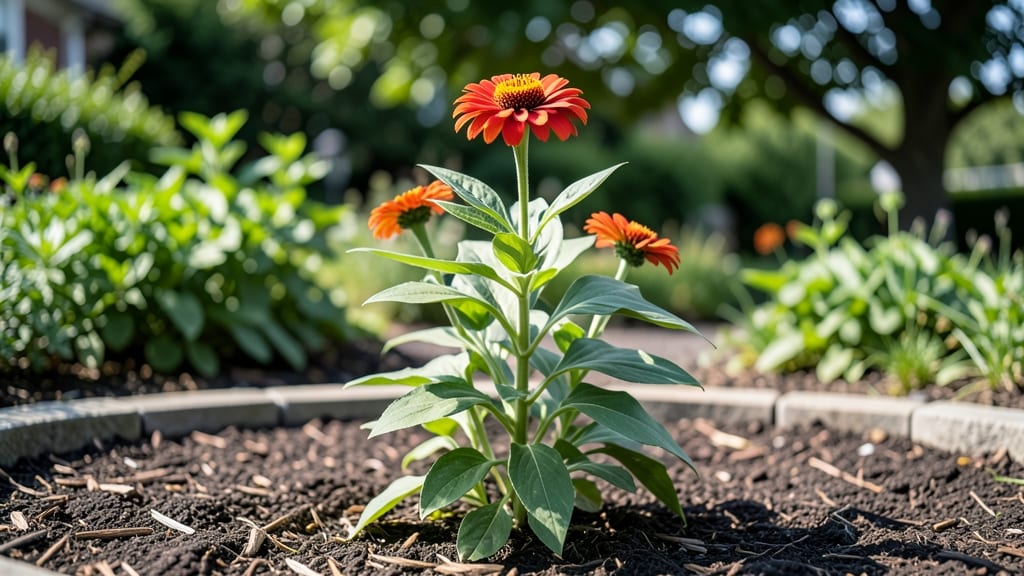
Zinnia flowers grow anywhere from 6 inches to over 4 feet tall, depending on the variety you choose—so picking the right one for your garden makes all the difference.
Picture this: you’ve just planted your zinnias, and by mid-summer, their stems are bending under the weight of those bold, cheerful blooms. That’s when you realize height isn’t just about space—it’s about whether your zinnias will stand tall or flop over like a sunhat in a breeze.
Some varieties, like the tiny Thumbelina series, stay compact at just 6–12 inches, perfect for borders or containers. Others, such as the towering Benary’s Giant, can reach 3–4 feet—ideal for cutting gardens or adding drama to the back of a bed.
But here’s the catch: taller zinnias often need support to keep their stems upright and their blooms facing the sky.
In this guide, I’ll break down exactly how tall different zinnias grow, when to stake them for maximum strength, and 5 pro tips to keep your stems steady without relying on supports.
Whether you’re a beginner or a seasoned gardener, you’ll leave here knowing which varieties to pick for your space—and how to give them the best shot at standing proud all season.


Zinnia height by variety: from dwarf to towering giants
Zinnias are one of the most versatile flowers in the garden, offering heights ranging from compact 6-inch mounds to towering 4-foot giants.
The variety you choose directly impacts your garden layout, staking needs, and even pollinator attraction. Dwarf varieties like 'Thumbelina' work perfectly for container gardens or borders, while tall varieties like 'Benary's Giant' make stunning cut flowers. Let’s explore the height spectrum and how to space them for maximum impact.
Understanding zinnia growth habits helps you plan for structural support and optimal spacing. Bushy varieties spread wider, while single-stemmed types grow taller but need staking. Proper spacing prevents disease by improving airflow, and knowing mature heights helps you avoid overcrowding.
Whether you're designing a cutting garden or a pollinator-friendly border, variety selection is key to achieving your vision.
The comparison table below breaks down 10 popular zinnia varieties by height, growth habit, and ideal spacing. This visual guide will help you choose the perfect zinnias for your garden's layout and support needs.
| Variety | Mature Height | Growth Habit | Spacing (inches) | Staking Needs |
|---|---|---|---|---|
| Thumbelina Series | 6–12 inches | Bushy, compact | 6–8 inches apart | None (self-supporting) |
| Crystal Series | 12–18 inches | Bushy, semi-dwarf | 8–10 inches apart | Minimal (light breeze) |
| Profusion Series | 12–18 inches | Bushy, prolific blooms | 8–10 inches apart | None (compact stems) |
| Zahara Series | 18–24 inches | Semi-bushy, upright | 10–12 inches apart | Optional (windy areas) |
| State Fair | 24–36 inches | Single-stemmed, tall | 12–18 inches apart | Recommended (sturdy stakes) |
| Envy | 24–36 inches | Single-stemmed, dark blooms | 12–18 inches apart | Recommended (heavy blooms) |
| Benary's Giant | 36–48 inches | Single-stemmed, giant blooms | 18–24 inches apart | Essential (strong support) |
When and how to stake zinnia flowers for maximum supportOnce your zinnias reach their mature height—especially varieties like Benary’s Giant that can tower up to 4 feet—their stems may struggle to support heavy blooms. Staking isn’t just for show; it prevents breakage, improves airflow, and extends the life of your flowers. But timing and technique matter. Plant too early, and you risk damaging delicate stems; wait too long, and you’ll have a floppy mess on your hands. I’ve found the best time to stake zinnias is when they’re about half their mature height—usually 4–6 weeks after germination. This gives stems enough strength to support themselves initially while still being flexible enough to tie without snapping. For tall varieties, I stake early; for dwarf types, I often skip staking entirely. The key is matching your support method to the plant’s growth habit. Step-by-Step Staking Guide for Zinnias
If you’re working with bushy zinnias like ‘Crystal’ or ‘Profusion’, a tomato cage or wire mesh cylinder works wonders. These provide support without the need for individual ties, saving time and reducing stem stress. For single-stemmed varieties, a single bamboo stake in the center is often sufficient, but I still recommend tying at the midpoint and top to prevent bending. One mistake I see often is waiting until the plant is already leaning to stake. By then, the stem may have weakened, making recovery difficult. Instead, monitor growth weekly and stake proactively. Another tip: water your zinnias deeply before staking—soil moisture helps stems stay flexible and reduces breakage during the process. For DIY solutions, consider using old pantyhose or soft garden twine to tie stems. These materials are gentle on stems and biodegradable, unlike plastic ties that can leave marks. If you’re feeling creative, even repurposed wire hangers (bent into soft loops) can work in a pinch. The goal is always to support without strangling. Remember, staking isn’t just about height—it’s about health and longevity. Well-supported zinnias produce more blooms, last longer in arrangements, and resist disease better by improving airflow. With the right technique, your zinnias will stand tall and proud all season long. 🌻 |