
Flowers
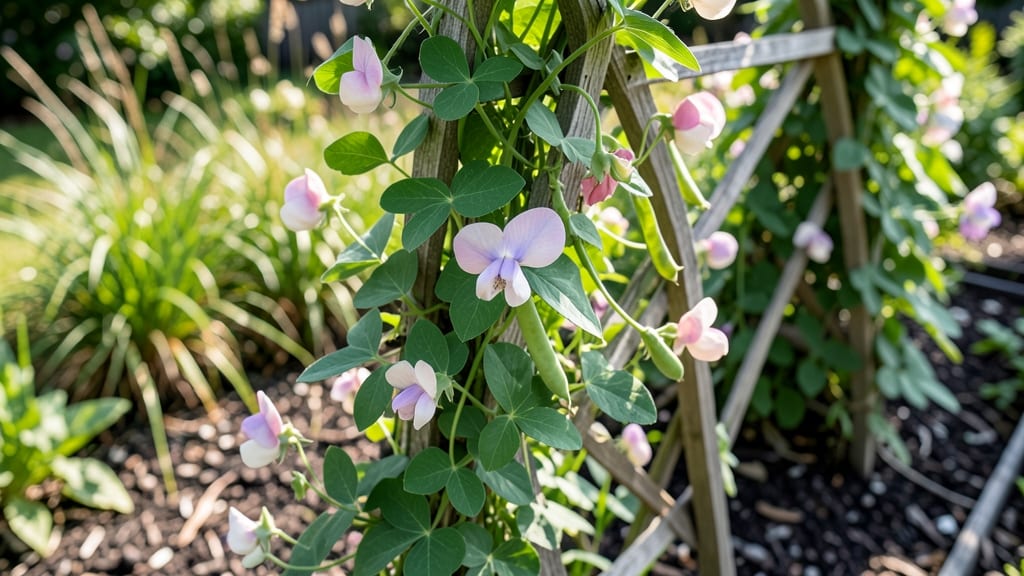
Sweet pea flowers grow anywhere from 2 feet to over 8 feet tall, depending on the variety and how you support them.
Imagine climbing vines covered in fragrant blooms reaching toward the sky—this is the magic of sweet peas 🌸, but their height can vary wildly. Some compact varieties stay under 3 feet, while others need a sturdy trellis to support their towering growth.
The difference isn’t just about space; it also affects how you plant, prune, and even fertilize them.
If you’re planning your garden layout, knowing these heights helps you avoid overcrowding or weak supports. Tall varieties like ‘Cupani’ can easily top 7 feet, while dwarf types like ‘Tom Thumb’ stay under 2 feet.
The right trellis or obelisk makes all the difference in keeping those delicate stems upright and blooming their best.
In this guide, I’ll break down the height ranges by variety, share pro tips for supporting them, and explain how to maximize their growth—so you can enjoy sweet peas at their full, fragrant potential.


Sweet pea flower height ranges by variety: dwarf to giant climbers
Sweet peas (Lathyrus odoratus) offer a stunning range of heights, from compact bush varieties to towering climbers that reach 8 feet or more. Understanding these height variations helps you plan your garden layout, choose the right support structures, and maximize their fragrant blooms.
Whether you have limited space or want to create a vertical garden masterpiece, knowing your sweet pea’s mature height is essential.
Most gardeners assume all sweet peas are climbers, but dwarf varieties exist too—some stay under 18 inches tall! These bush types thrive in containers or small garden beds, while standard climbers need strong trellises to support their weight.
Even within climbing varieties, heights can vary by 2–3 feet, so selecting the right type for your space makes all the difference.
Here’s a quick breakdown of sweet pea height ranges by variety type:
| Variety Type | Height Range | Growth Habit | Best For |
|---|---|---|---|
| Dwarf Bush | 12–18 inches | Compact, non-vining | Containers, small beds |
| Semi-Dwarf | 2–3 feet | Short vines, minimal support | Small trellises, window boxes |
| Standard Climber | 4–6 feet | Twining vines, needs trellis | Fences, arbors, pergolas |
| Giant Climber | 6–10 feet | Aggressive vining, strong support | Tall trellises, walls, pergolas |
Popular varieties span all categories—from ‘Cupani’ (dwarf) to ‘Blue Moon’ (giant climber).
Let’s dive into specific variety examples to help you pick the perfect sweet pea for your garden. Dwarf varieties like ‘Cupani’ and ‘Tom Thumb’ stay under 18 inches, making them ideal for container gardening or small spaces.
These bush types produce abundant blooms without needing support, though they may benefit from a small stake for stability.
For medium-height climbers (3–5 feet), varieties like ‘Perfume Delight’ and ‘Painted Lady’ strike a balance. They’re perfect for small trellises or even training along a window box. These types often have longer stems than dwarf varieties, allowing you to cut flowers for bouquets without sacrificing plant health.
If you dream of a dramatic vertical display, giant climbers like ‘Blue Moon’ or ‘Spencer’s Giant’ will reach 8–10 feet with proper support. These varieties need robust trellises, such as metal arbors or wooden lattices, to handle their weight.
Their fragrant blooms cascade downward, creating a stunning focal point in any garden.
Height isn’t just about aesthetics—it also affects garden spacing and care requirements. Taller varieties need more room to sprawl and may require staking or pruning to prevent vines from breaking under their own weight.
Dwarf types, meanwhile, can be planted closer together (every 6–12 inches) since they don’t vine aggressively.
One common mistake gardeners make is assuming all sweet peas need the same support. Dwarf varieties can actually suffocate if planted too close to a trellis, while tall climbers left unsupported will flop over, leading to broken stems.
Always match your support structure to the variety’s mature height for the best results.
Pro tip: If you’re unsure about a variety’s height, check the seed packet or plant tag—many reputable nurseries list mature heights clearly. For example, ‘Perfume Delight’ is labeled as a 4–5 foot climber, while ‘Cupani’ is marketed as a 12–18 inch dwarf.
This upfront info saves time and avoids overcrowding issues later.
Ready to transform your garden? Choose your sweet pea height based on your space, support options, and desired visual impact.
Whether you opt for a compact bush or a soaring climber, these fragrant flowers will reward you with months of color and scented blooms—as long as you give them the right support from the start.
How to choose the right trellis for sweet pea heights (with support tips)
Sweet peas need the right support to reach their full potential, and the trellis you choose depends entirely on the variety’s mature height.
A 6-foot obelisk won’t cut it for a ‘Cupani’ climbing to 8 feet, while a dwarf variety like ‘Tom Thumb’ will flop without a low wire cage. The structure must match the plant’s growth habit—whether it’s a twiners or bushy climber—to prevent breakage and encourage upward growth.
For tall varieties (6–8 feet), opt for freestanding trellises or metal arches that can handle weight and wind. Shorter types (2–4 feet) thrive on small obelisks or wire cages tucked into flower beds. The key is stability: weak supports snap under the weight of heavy blooms, while overcrowding stunts growth.
Let’s break down the best options by height range and share my top DIY tips for sturdy, budget-friendly setups.
Trellis Options by Sweet Pea Height
Dwarf Varieties (2–4 ft)
- ✅ Pros: Low wire cages, small obelisks
- ✅ Pros: Fits in flower beds or containers
- ❌ Cons: Limited height for climbing
Medium Varieties (4–6 ft)
- ✅ Pros: Sturdy obelisks, A-frame trellises
- ✅ Pros: Supports bushy growth patterns
- ❌ Cons: Needs wider spacing (3–4 ft apart)
Tall Varieties (6–8 ft)
- ✅ Pros: Metal arches, freestanding trellises
- ✅ Pros: Handles heavy blooms and wind
- ❌ Cons: Requires deep planting (6+ inches)
DIY Support Tips
- ✅ Do: Use bamboo stakes for lightweight support
- ✅ Do: Space plants 12–18 inches apart for airflow
- ❌ Don’t: Overcrowd—leads to disease and weak stems
When selecting a trellis, consider the spacing between supports. For tall varieties, place trellises 3–4 feet apart in rows to prevent vines from sagging. Use twine or soft ties to gently weave stems upward—never tie them tightly, as sweet peas need flexibility to grow.
I’ve found that galvanized wire or powder-coated metal lasts longer in damp climates, while wooden obelisks add rustic charm but may rot faster.
For DIY solutions, repurpose ladder trellises or old fencing painted with non-toxic sealant. Drive 4-foot stakes into the ground and weave chicken wire between them for a budget-friendly option.
Just ensure the structure is buried 6–8 inches deep to anchor it against wind. Avoid flimsy materials like plastic—sweet peas can get top-heavy with blooms, and weak supports snap easily.
One common mistake I see is planting without support until the vines are already climbing. Sweet peas need guidance from day one to grow upright. Start training them onto the trellis as soon as they reach 6 inches tall, gently coaxing them upward with soft ties.
This prevents tangled growth and ensures even blooming. If you’re growing multiple varieties, dedicate separate trellises to each—tall types can shade shorter ones, stunting their growth.
Finally, don’t forget to prune regularly to encourage upward growth. Pinch back the tips of young shoots to promote bushier vines, and remove any dead or diseased foliage immediately.
With the right trellis and a little TLC, your sweet peas will climb to their full height—covering your garden in a cascade of fragrant blooms by midsummer.