
Flowers
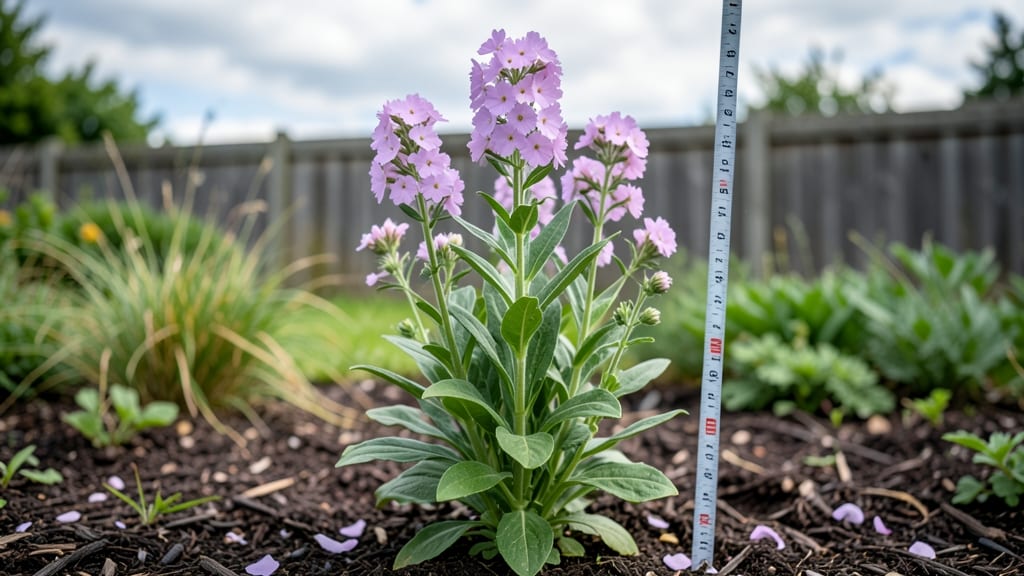
Stock flowers grow between 1 and 4 feet tall, depending on the variety, making them a versatile choice for gardeners with different space needs.
Planning your garden layout around stock flowers? Knowing their mature height is key to creating a visually balanced and thriving outdoor space—whether you're designing a cottage garden, container arrangement, or pollinator-friendly border.
Dwarf varieties stay compact at 1 to 2 feet, perfect for front-row borders, while standard types reach 3 to 4 feet, ideal for mid-height accents or back-row focal points. This range means you can mix them in almost any garden design.
In this guide, I’ll break down height differences by variety, share tips for managing growth in small spaces, and help you choose the right stock flowers for your garden’s layout.


Stock flower height by variety: essential mature size guide
When planning your garden with stock flowers (Matthiola incana), understanding their mature height helps create stunning visual layers. These fragrant blooms come in three main height categories: dwarf, standard, and giant varieties.
Each type thrives with proper spacing and sunlight, ensuring healthy growth and vibrant displays from June to August.
For container gardening or small spaces, dwarf varieties (12-24 inches) work beautifully. Meanwhile, standard and giant types (up to 36 inches) make striking backdrop plants in cottage gardens. Let's explore how these heights impact your garden layout and care routine.
The dwarf varieties like 'Tiny Tim' reach just 12-24 inches, making them ideal for container gardening or edging garden beds. Their compact size also makes them perfect for pollinator-friendly borders where bees and butterflies can easily access the flowers.
For mid-height accents, semi-dwarf types such as 'Giant Purple' grow 24-30 inches tall. These varieties thrive when spaced 12-18 inches apart, creating a lush, continuous display. I always plant them in clusters of three to five for maximum visual impact.
Standard varieties like 'Ruby Glow' reach 30-36 inches, perfect for creating a romantic cottage garden look. Space these plants 18-24 inches apart to allow proper airflow and prevent disease. Their height makes them excellent backdrop plants behind shorter perennials.
If you're aiming for a dramatic focal point, giant varieties like 'Giant Rainbow' can grow up to 48 inches tall. These need 24-30 inches of spacing and may require staking in windy locations. Their towering blooms create stunning vertical interest in any garden design.
All stock varieties benefit from full sun exposure (6+ hours daily) and well-draining soil. For optimal growth, I recommend adding compost to planting holes and using a balanced fertilizer (10-10-10) every 4-6 weeks during the growing season. Proper spacing ensures each plant gets adequate nutrients and air circulation.
When planning your layout, consider placing taller varieties at the back of borders and shorter ones in front. This creates depth and draws the eye through your garden. For containers, choose dwarf varieties or use supportive stakes** to control height in smaller spaces.
Remember that stock flowers are cool-season annuals, meaning they thrive in spring and fall but may struggle in intense summer heat. If you live in a hot climate, provide afternoon shade during peak summer months to maintain their vibrant blooms.
With these height guidelines, you can confidently design a garden that maximizes both beauty and functionality. Whether you're creating a fragrant pathway or a cut flower garden, understanding each variety's mature size ensures your stock flowers will shine year after year.
How stock flower height affects garden design choices
Understanding how tall stock flowers grow helps you create stunning visual layers in your garden. These fragrant blooms come in dwarf, semi-dwarf, and standard varieties, each serving different design purposes.
Whether you're framing a path or adding drama to the back of a border, their height determines their role in your layout.
Taller stock varieties like standard Matthiola incana reach 3-4 feet, making them perfect for back-row focal points. Meanwhile, dwarf varieties (1-2 feet) excel in front-row borders or container gardens. Let's explore how to use these heights strategically in your space.
- 🌿 Front-row borders: Dwarf stocks (1-2 ft) create perfect edging with their compact height and vibrant blooms. Pair them with low-growing thyme or creeping phlox for a cohesive look.
- 🌸 Mid-height accents: Semi-dwarf stocks (2-3 ft) add dimension to mixed borders. Place them behind salvias or catmint to create visual interest without overwhelming taller plants.
- 🌺 Back-row focal points: Standard stocks (3-4 ft) command attention in cottage gardens. Combine them with delphiniums or hollyhocks for a romantic, old-fashioned feel.
- 🪴 Container gardening: Dwarf varieties thrive in pots (12-14 inches deep). Mix with pansies and sweet alyssum for a cascading effect, or use semi-dwarf in larger containers with roses or lavender.
- 🌧️ Pollinator-friendly borders: All heights attract bees and butterflies. Place taller stocks near bee balm or coneflowers to create a vertical pollinator highway.
For container arrangements, choose dwarf or semi-dwarf varieties to prevent overcrowding. A 14-inch pot can comfortably hold 3-5 dwarf stock plants, while a 20-inch container can accommodate 5-7 semi-dwarf plants with complementary foliage plants.
When designing back-row focal points, place standard stocks behind tall grasses like Miscanthus or switchgrass to add movement and texture. Their 3-4 foot height ensures they stand out without blocking sunlight from shorter plants.
Pro tip: Use height variation to create depth in borders. Start with 1-foot-tall plants at the front, progress to 2-3 foot plants in the middle, and finish with 3-4 foot stocks at the back. This layered approach mimics natural landscapes and adds visual intrigue.
Remember, stock flowers thrive in full sun and well-draining soil. Their height potential is maximized when planted in fertile, slightly alkaline soil with consistent moisture. With these design principles, you'll create a garden that's both functional and breathtaking.