
Flowers
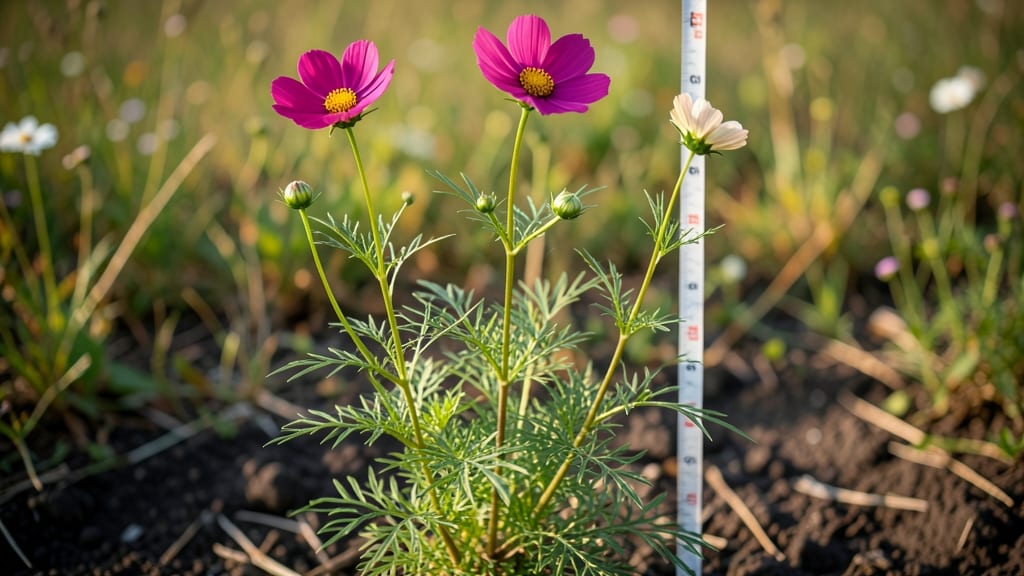
Cosmos flowers grow anywhere from 1 to 6 feet tall, depending on the variety and growing conditions—some dwarf types stay under 2 feet, while towering giants like 'Bright Lights' can reach skyward like sun-loving sentinels.
If you’re dreaming of a dramatic, low-maintenance flower that reaches sky-high heights with minimal fuss, cosmos could be your perfect garden star. These cheerful blooms thrive in full sun and poor soil, making them ideal for gardeners who want big impact with little effort.
But not all cosmos are created equal. Dwarf varieties stay compact, perfect for borders or containers, while taller types need space and may even require staking to support their airy, feathery stems. The right placement and care can turn your cosmos into a 6-foot-tall statement piece.
In this guide, I’ll break down the height ranges by variety, share the secrets to maximizing their growth, and help you avoid common mistakes that keep cosmos from reaching their full potential.


Cosmos flower height variations by variety: from dwarf to towering giants
If you’re wondering how tall do cosmos flowers grow, the answer depends entirely on the variety you choose. Cosmos flowers come in a stunning range of heights, from dwarf varieties that stay under 2 feet to towering giants that reach an impressive 6 feet.
This versatility makes them perfect for everything from container gardens to dramatic backyard borders.
The most popular species, Cosmos bipinnatus (also called garden cosmos), typically grows between 2 to 4 feet tall, but some varieties can stretch even taller with ideal conditions. Meanwhile, Cosmos sulphureus (often called yellow cosmos) tends to be slightly shorter, usually reaching 1 to 3 feet.
Knowing these differences helps you plan your garden layout and choose the perfect cosmos for your space.
For gardeners with limited space, dwarf cosmos varieties like 'Seashells' or 'Purity' are excellent choices, staying between 1 to 2 feet tall. These varieties thrive in containers, window boxes, or the front of flower beds, adding vibrant color without overwhelming smaller gardens.
Their compact size also makes them ideal for urban gardening or rooftop gardens where vertical space is limited.
On the other end of the spectrum, tall cosmos varieties like 'Double Click' or 'Cosmic Orange' can reach heights of 5 to 6 feet. These towering beauties make a statement in the back of borders or as standalone focal points.
However, they often require staking or support to prevent flopping, especially in windy conditions or when fully laden with blooms.
When selecting cosmos for your garden, consider not just height but also flower color and bloom time.
For example, 'Bright Lights' offers a mix of pink, white, and red flowers that bloom from early summer to frost, while 'Seashells' produces delicate white blooms perfect for adding a soft contrast to bold-colored gardens.
Mixing heights and colors creates a layered, dynamic look that keeps your garden visually engaging all season.
One of the reasons cosmos flowers grow so well is their adaptability to different growing conditions. While they prefer full sun (6+ hours daily), they can tolerate partial shade, though this may reduce their maximum height.
Well-draining soil is key—cosmos hate soggy roots, which can stunt growth or lead to root rot. Amending your soil with compost before planting ensures they have the nutrients they need to reach their full potential height.
If you're aiming for extra-tall cosmos, focus on providing consistent care. Regular deadheading (removing spent blooms) encourages more flowers and can promote taller stems by redirecting energy upward.
Additionally, spacing plants 2 to 3 feet apart gives them room to grow without competing for nutrients, which can lead to taller, healthier plants overall.
For a quick visual reference, imagine a cosmos height comparison: a 2-foot dwarf variety is roughly the height of a standard kitchen counter, while a 6-foot giant can reach the height of an average adult.
This range makes cosmos incredibly versatile, whether you're designing a small patio garden or a sprawling backyard landscape.
Whether you love the romantic charm of delicate dwarf cosmos or the grandeur of towering varieties, there’s a cosmos height to suit every gardener’s vision.
With the right variety and care, you can transform your garden into a stunning display of sky-high beauty that blooms effortlessly from summer to fall.
How to maximize cosmos flower height: sunlight, soil, and spacing secrets
Want your cosmos flowers to reach their full dramatic potential? The secret lies in creating the perfect growing conditions from the start. These sun-loving annuals can grow up to 6 feet tall when given the right combination of sunlight, soil, and space.
Unlike many flowers that require constant attention, cosmos thrive when you focus on just a few key factors—making them ideal for both beginner and experienced gardeners alike.
One of the most critical factors for encouraging tall, sturdy cosmos stems is providing full sun exposure. These flowers are not just sun-tolerant—they crave it. When planted in the right location with proper soil preparation, you’ll see a noticeable difference in both height and blooming intensity.
Let’s break down the exact steps to help your cosmos reach their sky-high potential while avoiding common pitfalls that stunt growth.
- 1. Sunlight: Plant in full sun (6+ hours daily) for maximum height. South-facing locations work best.
- 2. Soil: Use well-draining, nutrient-rich soil with compost mixed in. Avoid heavy clay soils.
- 3. Spacing: Give plants 2–3 feet apart to prevent overcrowding. Taller varieties need extra room for sturdy stems.
- 4. Pruning: Pinch back tips of young plants to encourage bushier growth. Remove spent blooms to prolong flowering.
Let’s start with the most important factor: sunlight. Cosmos flowers are sun worshippers, and their height is directly tied to how much direct sunlight they receive.
If you’re planting in a partial shade area, your cosmos will likely max out at 2–3 feet tall instead of reaching their full 6-foot potential.
For the tallest stems, choose a spot that gets at least 6 hours of direct sunlight per day, ideally in the morning when temperatures are cooler.
Next, focus on soil preparation. Cosmos flowers don’t demand rich, fertile soil, but they do need well-draining conditions to prevent root rot. Amend your garden bed with compost or aged manure to improve drainage and add essential nutrients.
Avoid heavy soils that can suffocate roots and stunt growth. A simple soil test can help you determine if your garden bed needs additional amendments like perlite or sand for better drainage.
Proper spacing is another game-changer for maximizing height. When planting cosmos seeds or seedlings, give them 2–3 feet of space between each plant. This might seem like a lot, but it’s crucial for preventing overcrowding, which leads to weak, leggy stems.
Taller varieties like 'Cosmos bipinnatus' or 'Bright Lights' will benefit most from this extra room, allowing them to grow upright and sturdy rather than flopping over.
Finally, don’t forget about pruning and deadheading. Regularly pinch back the tips of young plants to encourage bushier growth with more stems. Once your cosmos start flowering, remove spent blooms to redirect energy into producing new flowers rather than seed heads.
This simple step can extend your blooming season by several weeks and keep your plants looking their best throughout the growing season.
By following these four key steps—sunlight, soil, spacing, and pruning—you’ll be well on your way to growing cosmos flowers that reach their full dramatic height. With minimal effort, you’ll enjoy a stunning vertical display that adds height and texture to any garden bed or container. Happy gardening!