
Size
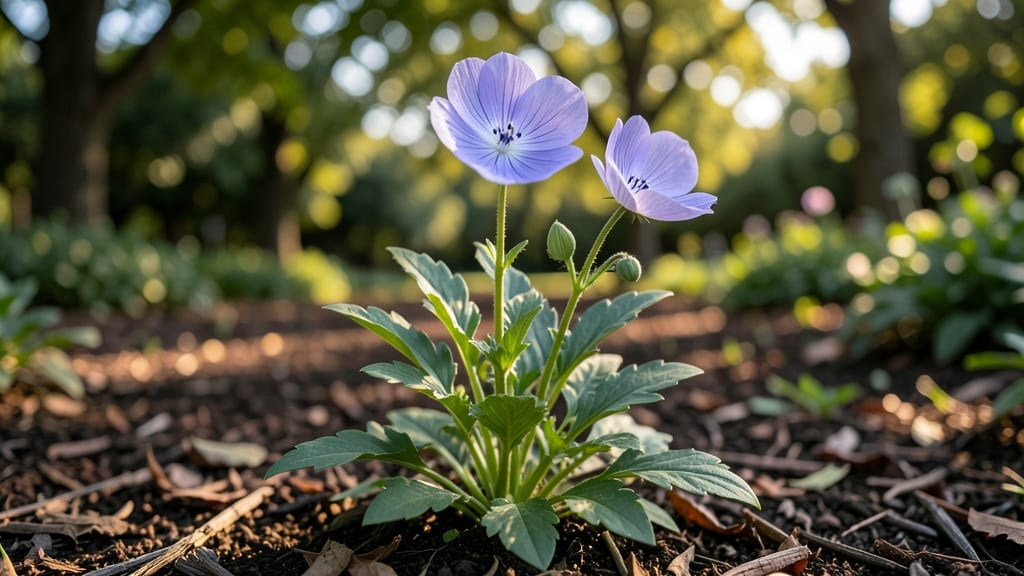
Balloon flowers 🌸 grow between 1 and 3 feet tall, depending on the variety and growing conditions—so whether you're planning a border, container, or cutting garden, size matters more than you might think.
Picture this: one minute you’re admiring a neat row of knee-high blooms in your herb spiral, the next you’re wrestling with 4-foot stalks flopping over your patio furniture. The difference? Variety selection and a little extra care.
Dwarf types like 'Little Bell' stay under 2 feet, perfect for window boxes or fairy gardens, while standard varieties like 'Blue Ensign' reach 3 feet or more—ideal for back borders or mixed perennial beds.
The good news? With the right spacing and occasional pruning, you can coax even the tallest types to play nicely.
Below, I’ll break down how height works in your garden, which varieties fit where, and the simple tricks to keep them from outgrowing their welcome—no staking drama required.


Balloon flower height guide: compact varieties under 2 feet
If you love the delicate charm of balloon flowers (Platycodon grandiflorus) but need space-saving options, you’ll adore the dwarf and semi-dwarf varieties that stay neatly under 2 feet tall.
These compact beauties are perfect for containers, window boxes, and small garden borders, where taller varieties might overwhelm. The secret to their manageable height lies in careful variety selection and proper growing conditions—let’s explore your best options.
Compact balloon flowers typically mature between 12 and 24 inches, making them ideal for gardeners with limited space or those who prefer low-maintenance perennials. Unlike their taller cousins, these varieties rarely need staking and thrive in well-drained soil with moderate sunlight.
Their petite stature also means they’re less likely to flop in windy conditions, saving you the hassle of support structures.
🌱 Key Takeaway: Dwarf balloon flowers offer the same stunning blooms as taller varieties but with 30-50% less vertical space required. Here’s how to choose and care for them:
For container gardening, choose varieties like 'Little Bell' or 'White Pearl', which thrive in 5-7 inch pots. These compact plants perform best when planted in well-draining soil with a balanced fertilizer (5-10-10) applied in early spring.
In garden beds, space dwarf balloon flowers 12–18 inches apart to prevent overcrowding while allowing airflow to reduce fungal risks.
One of my favorite space-saving tricks is pairing compact balloon flowers with ground covers like creeping thyme or ajuga. This creates a lush, layered look without sacrificing vertical space.
Just ensure your containers or garden spot gets at least 4–6 hours of sunlight daily—these petite powerhouses still need plenty of light to produce their signature balloon-shaped buds.
If you’re growing balloon flowers in shadier conditions (3–4 hours of sun), expect slightly shorter stature and fewer blooms. For maximum height control, pinch back young plants by one-third when they reach 6 inches tall.
This encourages bushier growth and prevents legginess. I’ve found that regular deadheading also helps maintain compact size by redirecting energy to new growth rather than seed production.
💡 Pro Tip: For year-round interest, combine dwarf balloon flowers with ornamental grasses or heuchera. The foliage contrast adds depth to small spaces while keeping the overall height under control. Just remember: well-draining soil is non-negotiable—these plants hate soggy roots.
When planting in containers, use a fast-draining mix with perlite or sand to prevent root rot. Water deeply but infrequently, allowing the top 1–2 inches of soil to dry between waterings.
Overwatering is the #1 reason compact balloon flowers fail to thrive, so always check moisture levels with your finger before watering.
For longer blooming seasons, fertilize lightly in early spring with a balanced fertilizer, then avoid additional feedings after mid-summer. Too much nitrogen late in the season can stunt flower production and lead to leggy growth.
Instead, focus on mulching to retain moisture and suppress weeds—this keeps your compact plants healthy without extra inputs.
If you’re new to growing balloon flowers, start with
Tall balloon flowers: when and how to stake varieties over 3 feet
When you choose towering balloon flower varieties like 'Blue Ensign' or 'White Pearl', you’re welcoming plants that can reach 36–48 inches tall—taller than most gardeners expect!
These varieties are stunning for backyard borders or container gardens, but their height also means they need extra support to prevent flopping, especially in wind or rain.
Without proper staking, these tall balloon flowers can lean dramatically, reducing their lifespan and blooming potential.
The key to keeping them upright lies in soil prep, staking techniques, and pruning strategies—all of which I’ll walk you through step by step to ensure your plants stay strong and showy all season.
While most balloon flowers max out at 2–3 feet, varieties like 'Blue Ensign' and 'White Pearl' can easily reach 4 feet or more in ideal conditions. If planted too closely together or in poor soil, they may grow even taller but become top-heavy and prone to snapping. Always space them 18–24 inches apart and stake early to avoid disaster!
Start by preparing the soil with organic compost to encourage strong root growth—the deeper and more established the roots, the better the plant will handle its height. Amend your garden soil with well-rotted manure or a balanced fertilizer (5-10-10) to provide the nutrients these fast-growing plants crave.
For staking, use bamboo stakes or soft garden twine to gently tie the stems. Avoid tight ties that can damage the woody stems as they thicken. Install stakes at planting time and loosely secure the plant to the stake with twine, leaving room for growth.
Re-tie every 2–3 weeks as the plant climbs.
Pruning is another game-changer for tall balloon flowers. Pinch back the tips of young plants in early summer to encourage bushier growth and prevent legginess. After flowering, cut back spent blooms to the nearest set of leaves to redirect energy into next year’s growth.
If your tall balloon flowers still lean despite staking, consider adding a cage support or tomato cage for extra stability. These provide 360-degree support without the need for frequent re-ties, making them ideal for windy gardens or container plantings.
With the right care, your tall balloon flowers will stand proudly in your garden, adding vertical interest and vibrant blooms from mid-summer to fall. 🌸